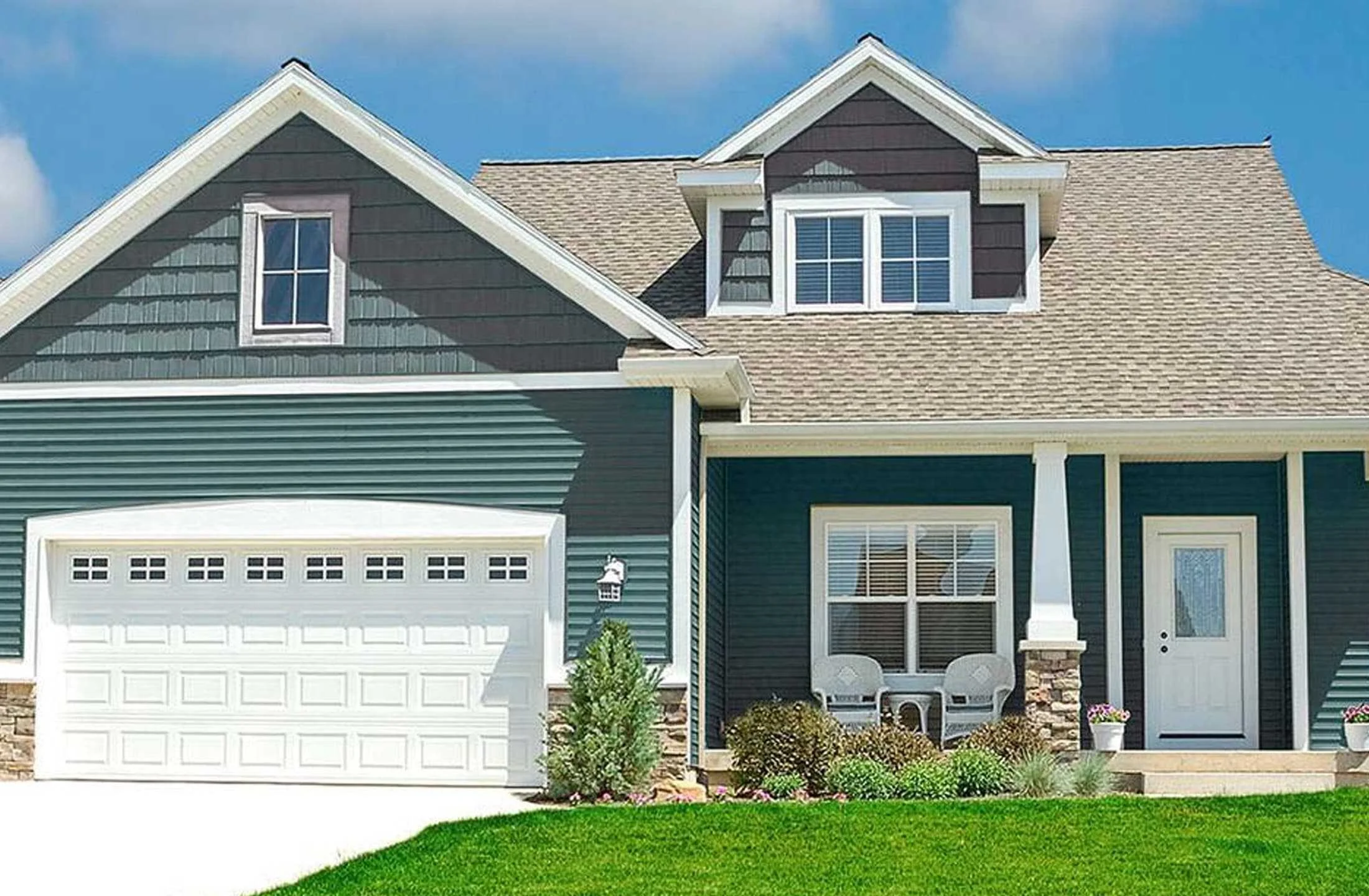
New windows and doors can completely change the look of your home. New windows bring in more light and can help lower energy bills. A new front door can also boost curb appeal. But if you’re planning a home improvement project, you may be wondering: Should the front door match the windows? Or do door and window trim have to match?
The good news is that there isn’t one right answer. Matching your replacement windows and doors can give your home a polished look, but they don’t have to be identical. The goal is to choose styles, colors, and finishes that look good together and fit your home’s style.
In this guide, we’ll cover how to coordinate your windows and doors, when it’s worth replacing both at the same time, and what factors to consider before starting your next project with Window World of Southern Mississippi.
Key Takeaways:
- You don’t have to match the colors you choose for your doors and windows, but they should complement each other.
- Matching door and window trim is not a requirement for a home, and contrasting finishes can still add design consistency.
- Consider coordinating bold or neutral colors, your home’s architecture, and material finishes for the best result.
- Replacing your doors and windows together can help you improve insulation and curb appeal in one project.
Should your front door match your windows?
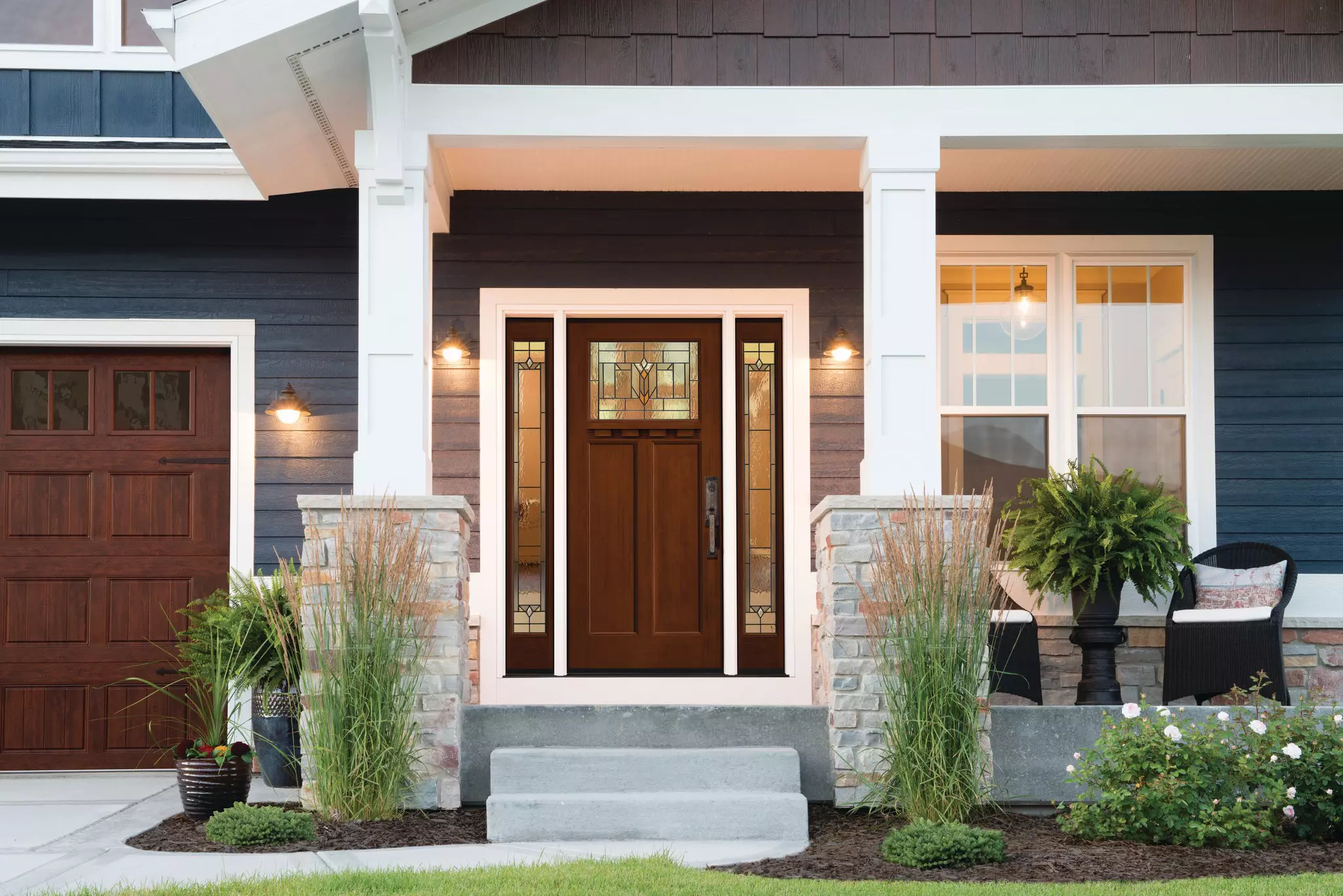
One of the most common design questions homeowners ask is, should a front door match the windows? The short answer is no, but they should coordinate.
Your front door is often the first thing people notice. Your windows help frame the rest of your home’s exterior. They don’t have to match exactly. They just need to look good together. For example, black-framed windows pair beautifully with a black front door, while white windows work well with bold colors like navy, deep green, or rich red.
Your home’s style can also help you decide. Traditional homes often look best with classic colors and symmetrical window styles. Modern homes pair well with darker window frames, clean lines, and simple entry doors. Craftsman homes often use warm wood tones that tie windows and doors together without requiring an exact match.
Do door and window trim have to match?
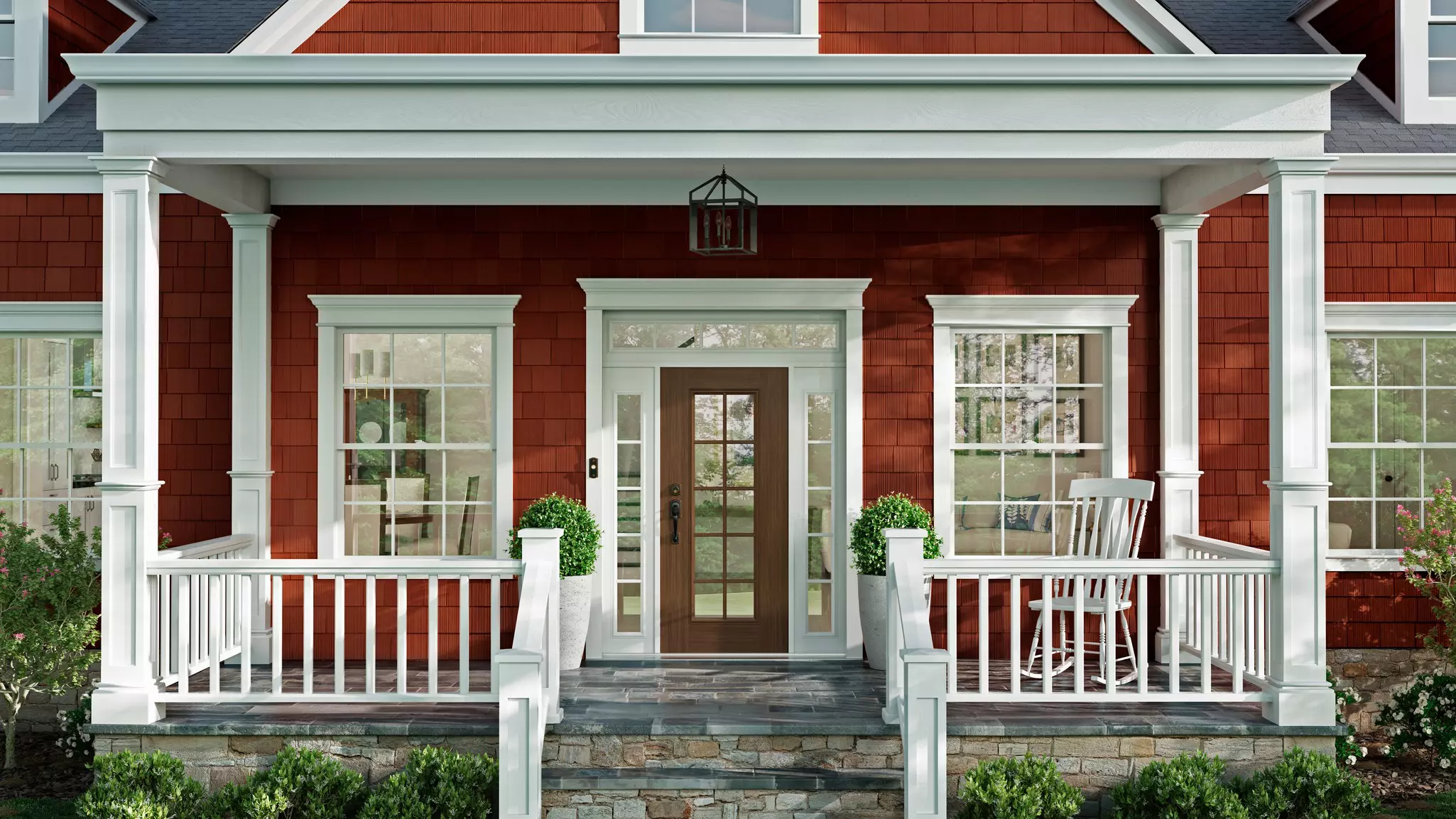
Another common question is, do door and window trim have to match? Matching trim creates a classic look, but it’s not a design requirement.
Many homeowners choose matching trim because it creates a consistent look inside and outside the home. Others prefer contrasting trim instead. For example, white window trim paired with a darker front door adds contrast while still looking balanced.
The key is consistency. Whether you choose matching trim or contrasting finishes, repeating those design choices throughout your home helps everything look finished.
How do you match windows and doors?
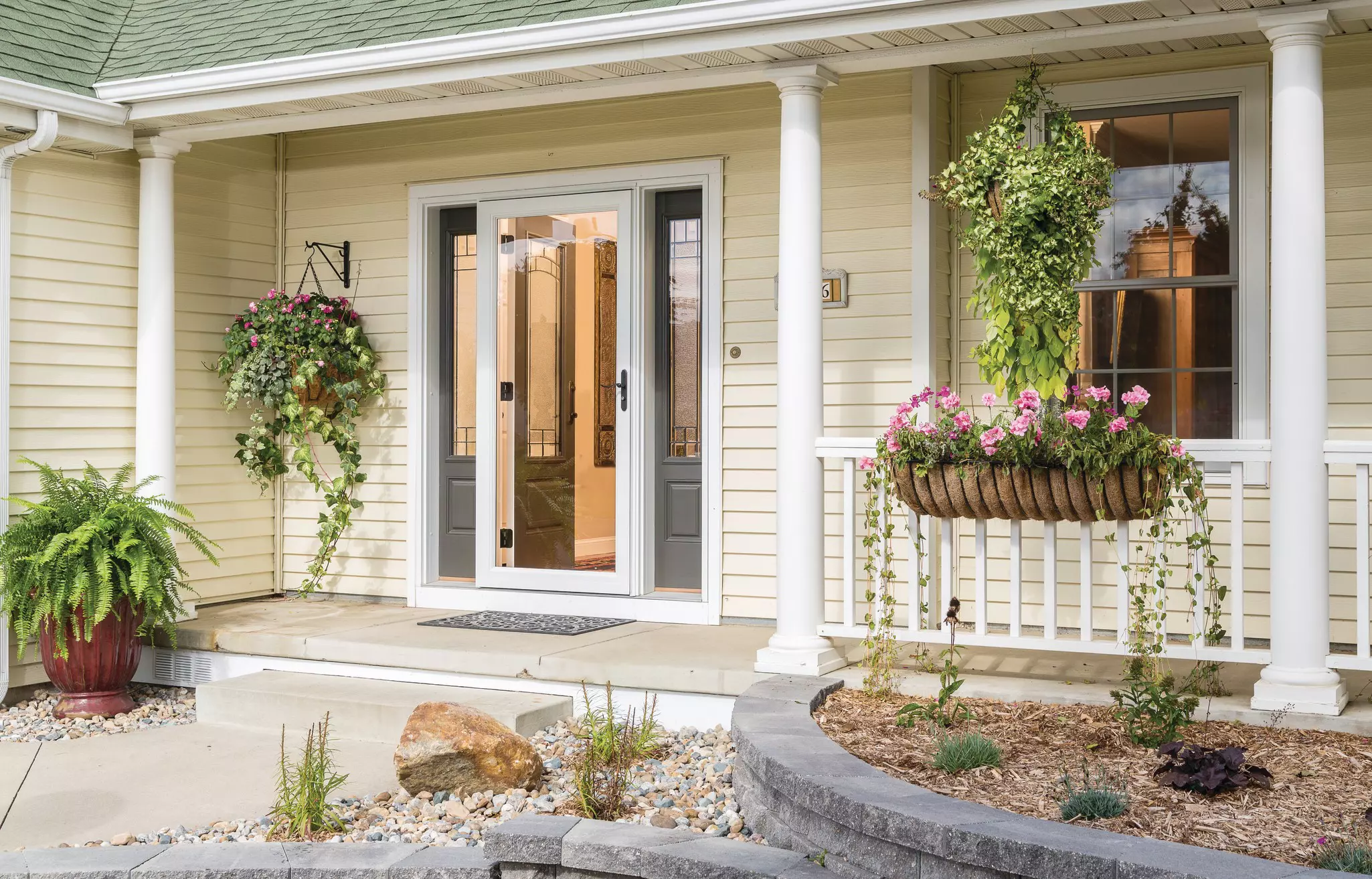
When coordinating matching windows and doors, consider more than just color. Several design elements work together to create an attractive exterior.
Coordinate colors
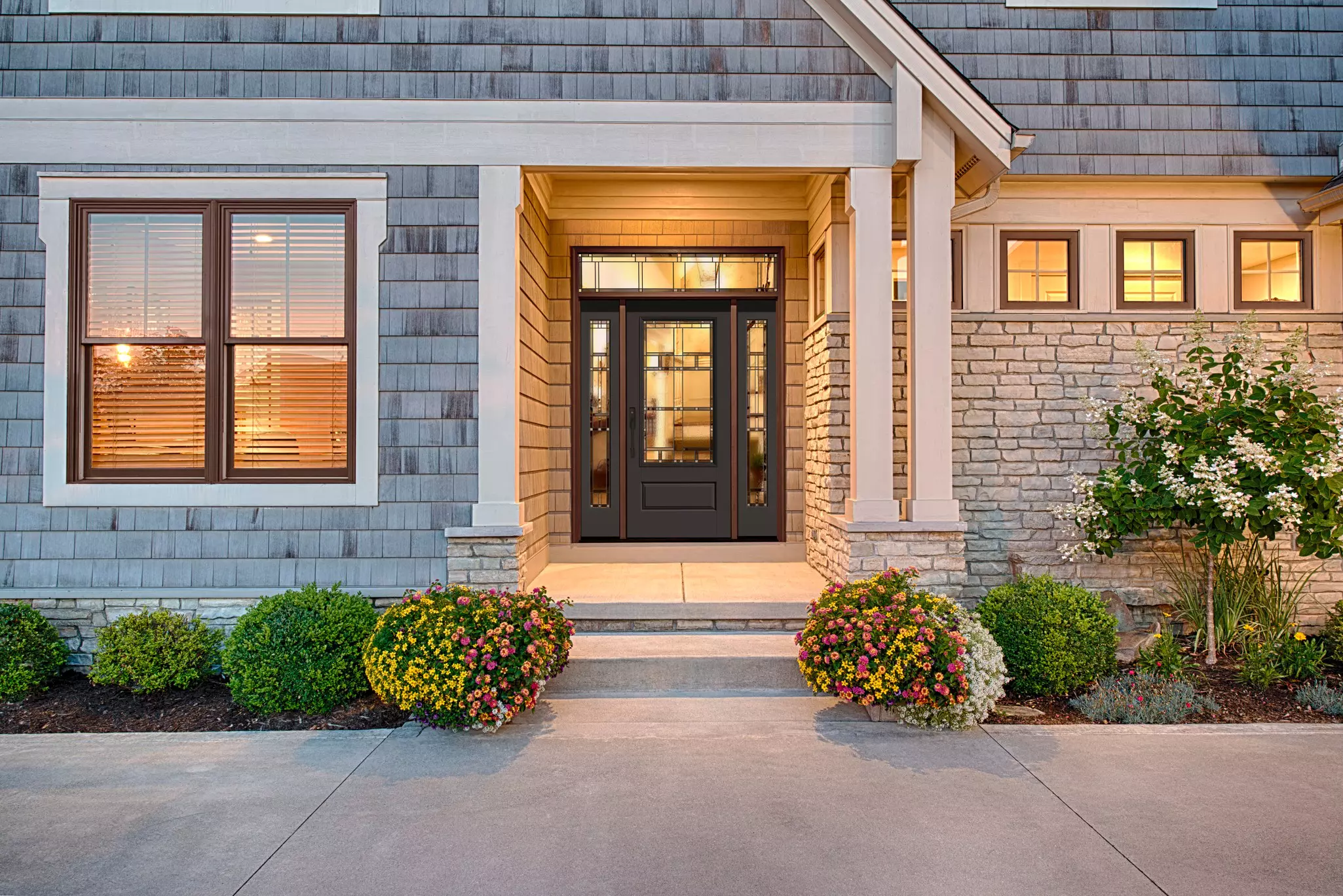
The color of windows and doors plays a significant role in your home’s curb appeal. Neutral colors like white, black, bronze, and gray remain popular because they complement a wide variety of architectural styles. If you prefer a bold color for your replacement front door, choose a shade that works with your window frames rather than competing with them.
Match your home’s architecture
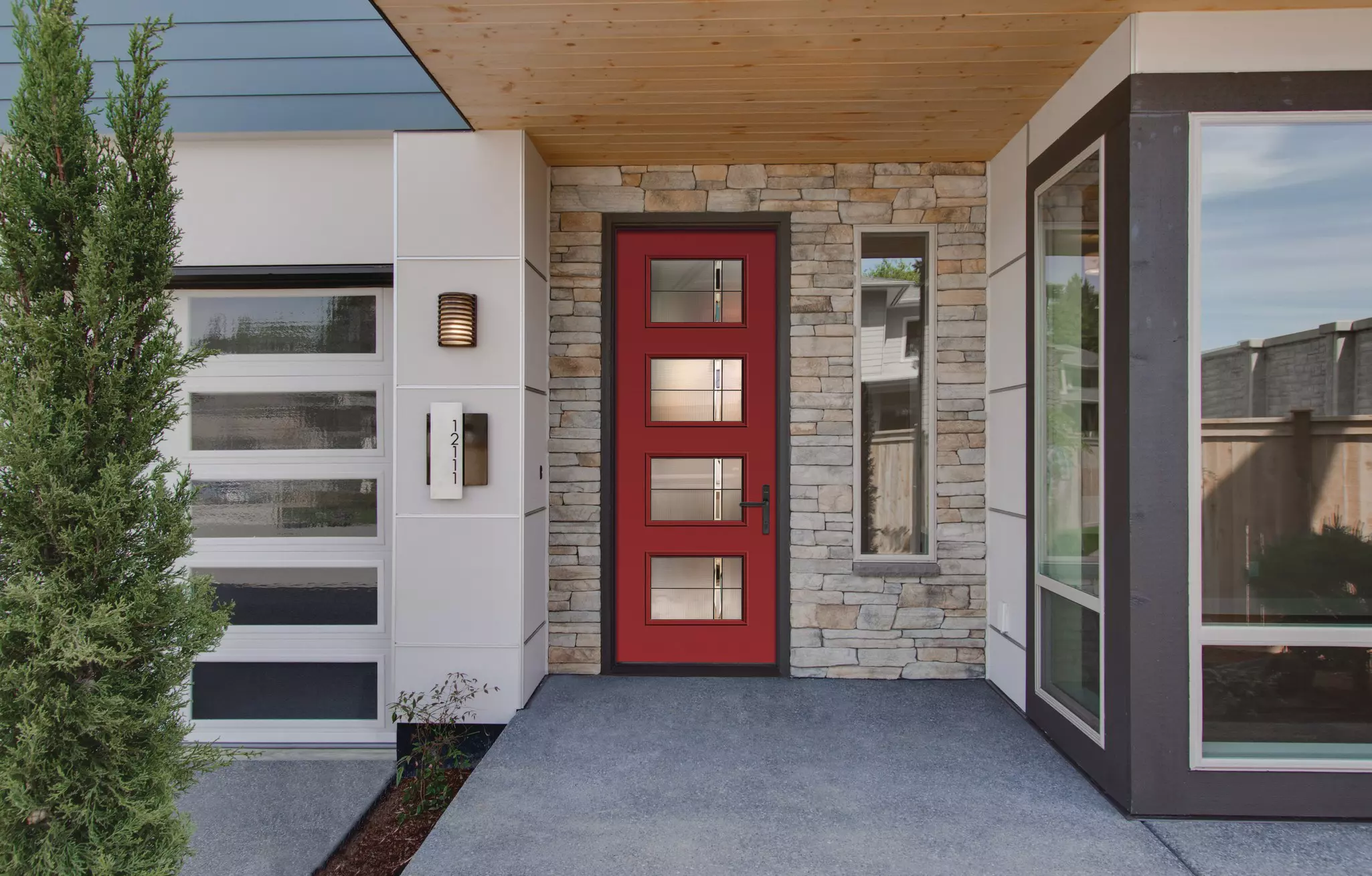
Your home’s architectural style should influence every design decision. Double-hung windows often complement Colonial and traditional homes, while casement windows pair well with contemporary designs. Picture windows work beautifully in homes where maximizing natural light and outdoor views is a priority.
Selecting window styles and doors that fit your home’s overall character creates a more cohesive appearance than simply trying to make everything identical.
Consider materials and finishes
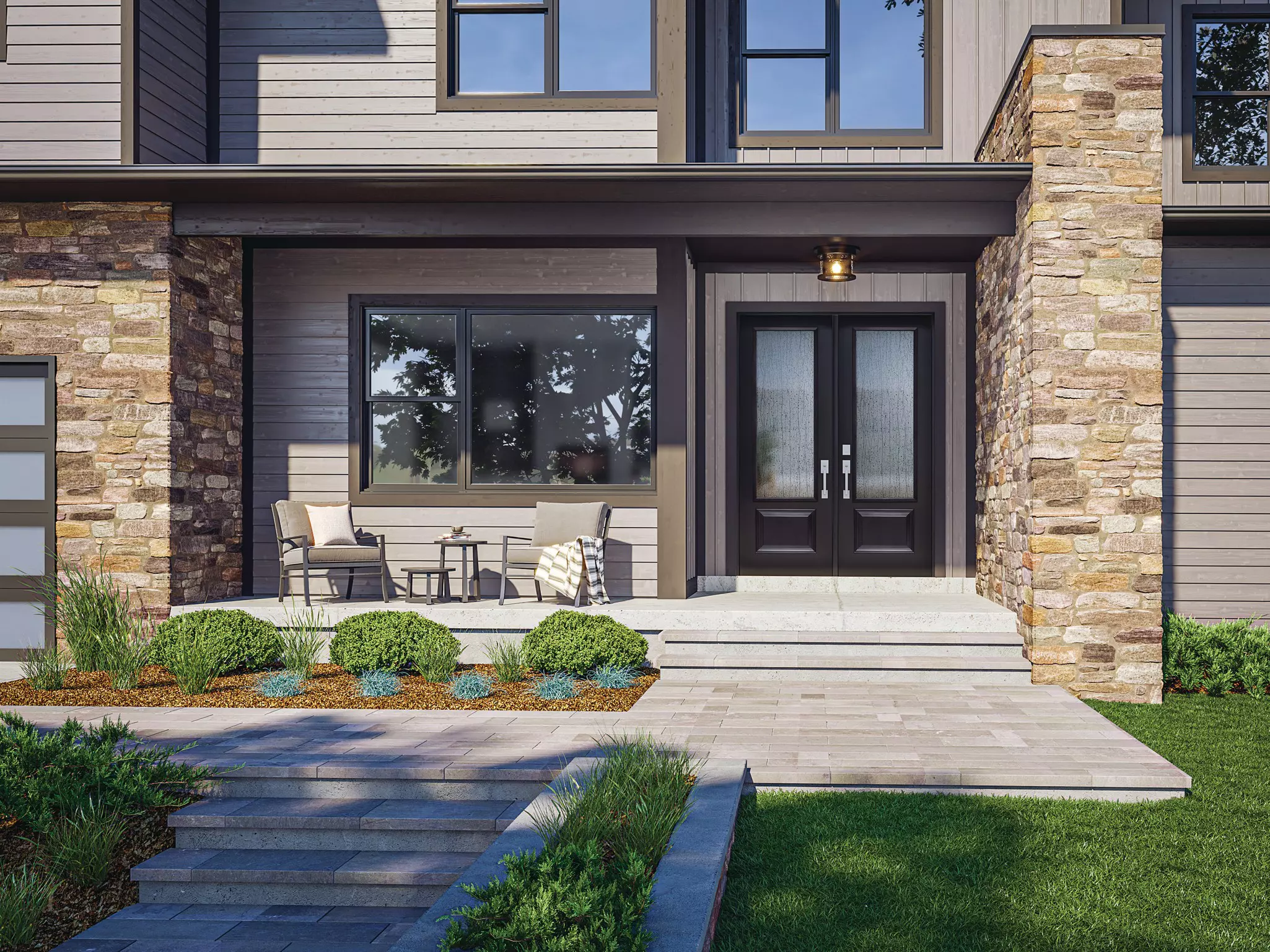
Think about how your windows, doors, hardware, shutters, and other exterior features work together. Coordinating finishes across these elements helps create visual harmony without making your home feel overly uniform.
When is it time to replace windows and doors?
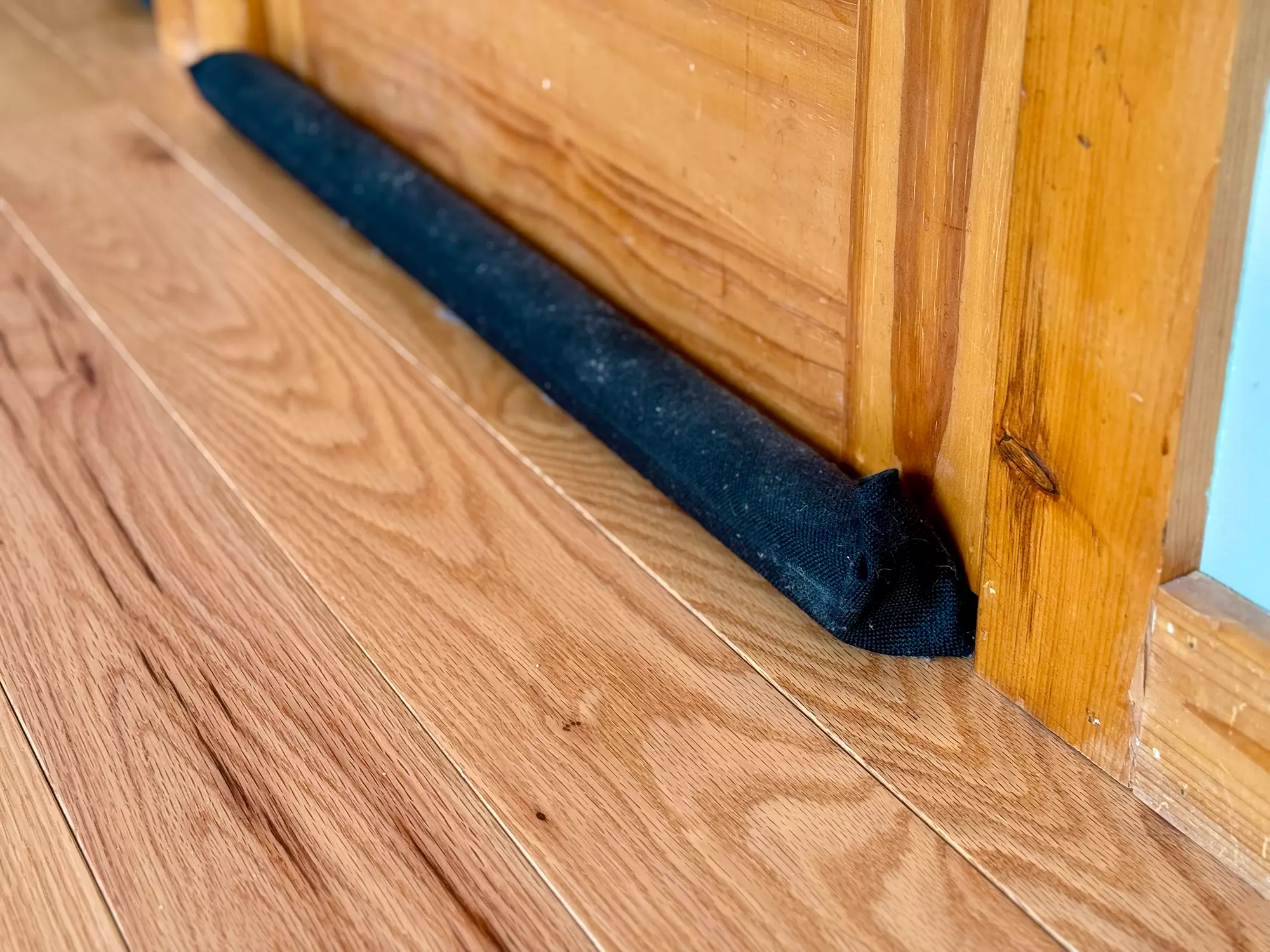
If your windows are drafty or difficult to open, or your front door no longer seals properly, it may be time to replace your windows or doors.
Common signs include:
- Drafts around windows or doors
- Difficulty opening or closing
- Condensation between glass panes
- Rising energy bills
- Rotting wooden frames or damaged materials
- Visible wear that affects curb appeal
Older windows and doors can also reduce your home’s energy efficiency, making it harder to maintain comfortable indoor temperatures throughout the year. Replacing outdated products with modern, energy-efficient options can improve comfort while helping reduce heating and cooling costs.
Should you replace windows and doors at the same time?
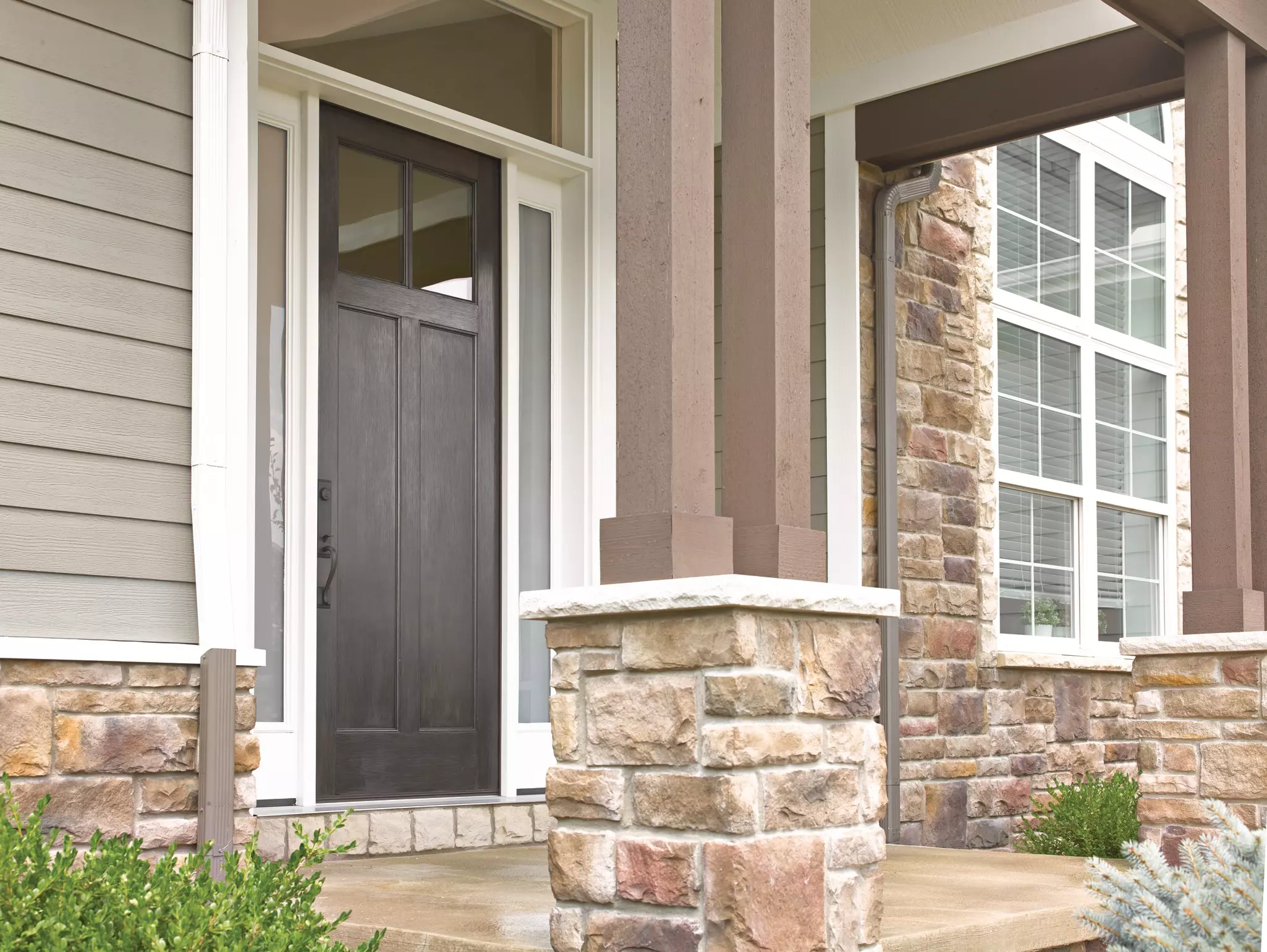
While it’s not always necessary, replacing doors and windows together offers several advantages.
Installing both during the same renovation creates a consistent appearance across your home’s exterior. You’ll have an easier time coordinating styles, finishes, and colors while ensuring the products complement one another.
Replacing everything at once can also reduce installation disruptions and provide an opportunity to improve your home’s overall energy efficiency. Modern windows and entry doors from Window World of Southern Mississippi are designed to work together to help reduce drafts and improve insulation.
Of course, replacing both isn’t always practical. If your budget doesn’t allow for a complete exterior upgrade, replacing one component at a time is perfectly reasonable. Just keep your long-term design goals in mind so future exterior renovation projects blend seamlessly with the work you’ve already completed.
How much does it cost to replace windows and doors?
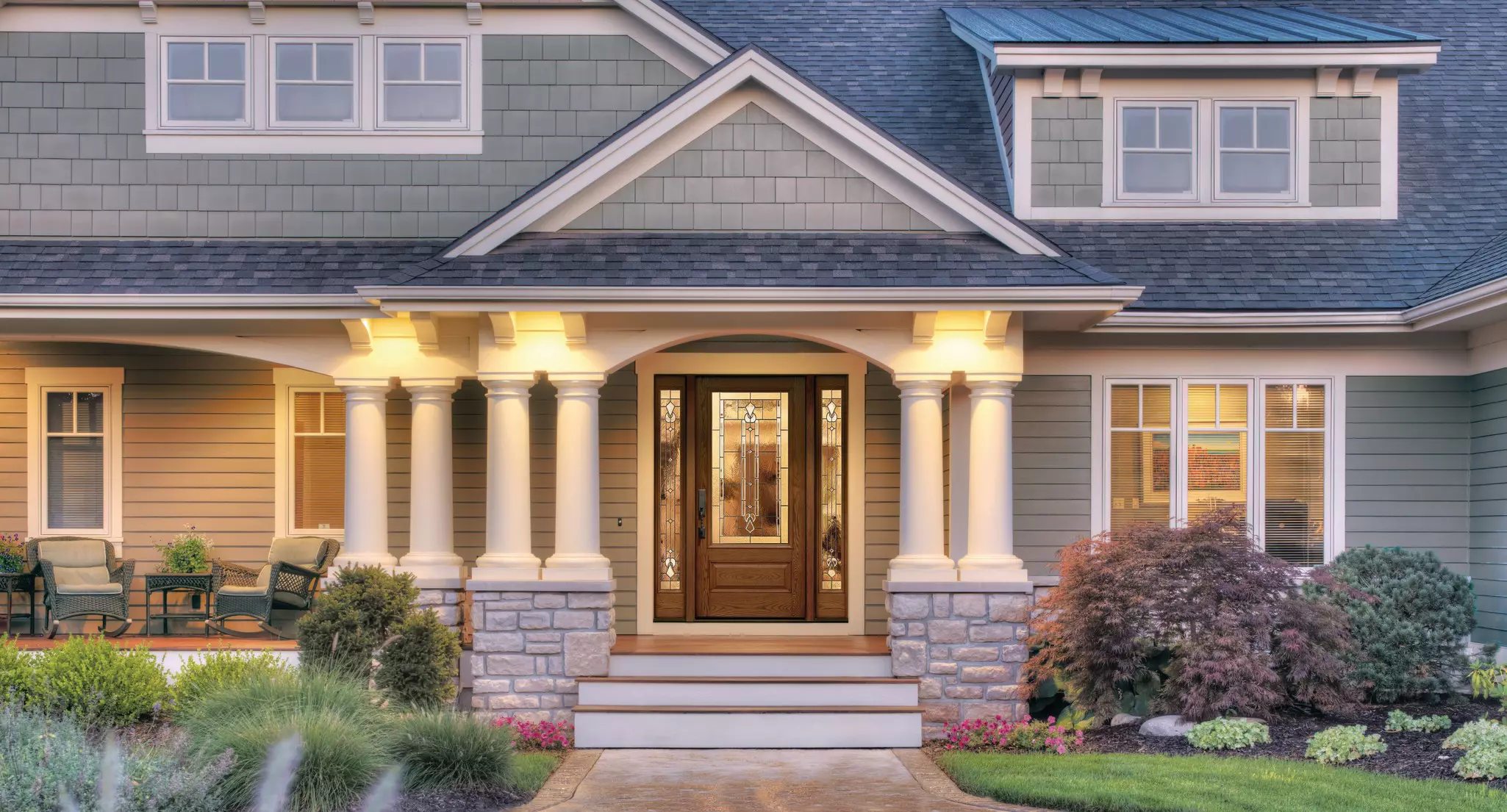
Many homeowners researching exterior upgrades ask our team how much it costs to replace windows and doors. The answer depends on several factors, including the number of windows being replaced, the type of windows and doors you choose, material options, custom sizes, and installation requirements.
Features like specialty window shapes, decorative hardware, and premium finishes can also affect the total project cost.
The best way to receive an accurate estimate is to schedule a consultation with our design professionals who can evaluate your home, discuss your goals, and recommend new windows and doors that fit your needs and budget.
Contact Window World of Southern Mississippi for new windows and doors
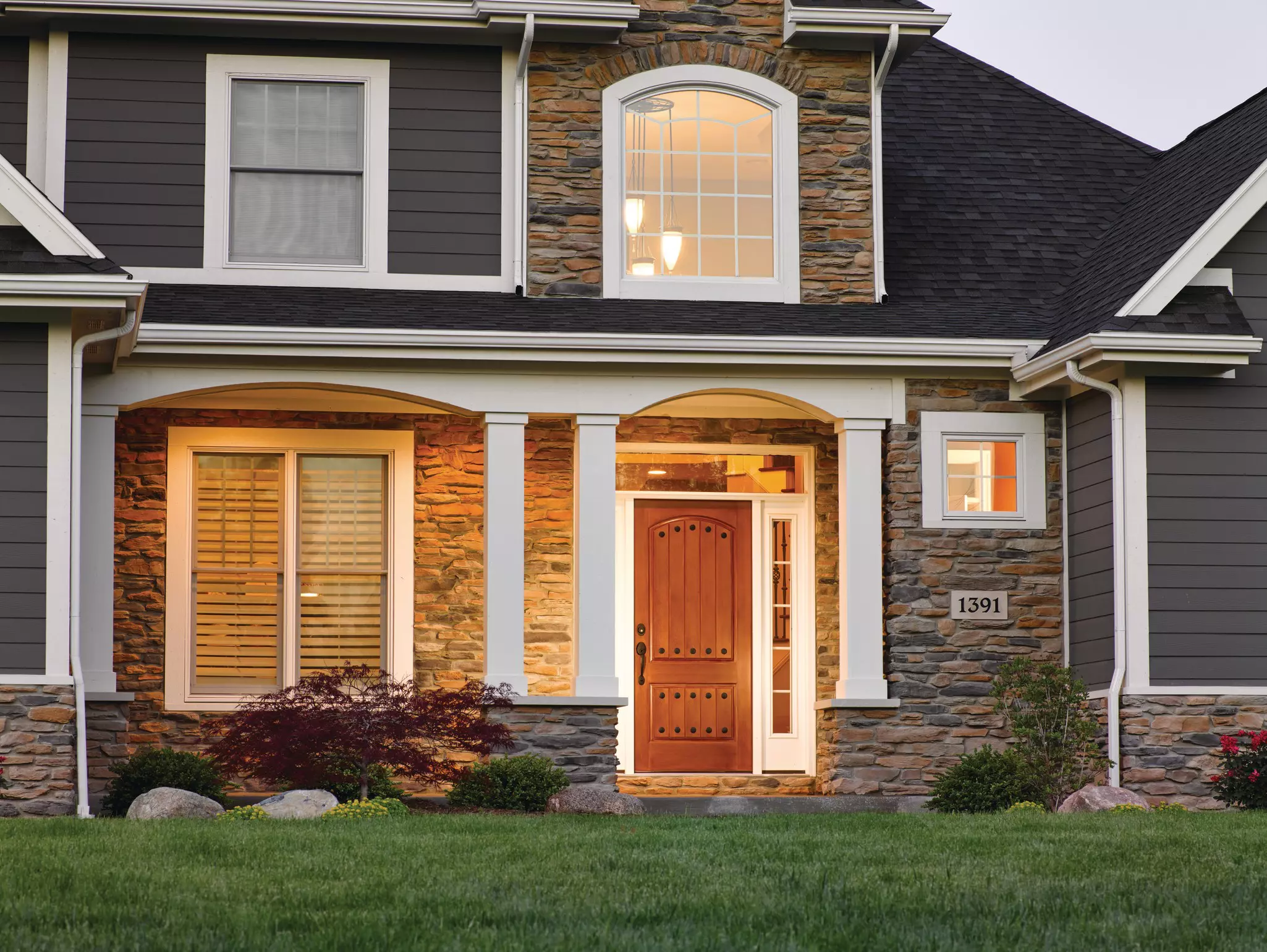
Matching new windows and doors is about more than color choice. It’s about creating a home that looks great, works well, and fits your personal style. By coordinating window styles, trim, finishes, and the color of your windows and doors, you can create a balanced exterior that improves curb appeal and adds value.
Whether you’re replacing a single entry door or planning a complete window replacement project, Window World of Southern Mississippi offers high-quality products designed to improve your home’s comfort, appearance, and energy efficiency. Request a free quote online today to schedule a free consultation and see how new windows and doors can improve your home.
Living in Southern Mississippi means enjoying warm weather, lush landscapes, and plenty of time outdoors. It also means dealing with high humidity, heavy rain, and coastal moisture that can take a toll on your home’s exterior over time.
While siding certainly enhances curb appeal, its most important job is protecting your home from the elements. Modern siding systems work together with house wrap, flashing, and proper installation techniques to help keep moisture where it belongs.
In this guide, we’ll explain how siding protects against moisture intrusion, what signs of moisture damage to watch for, and why the right choice in new siding for your home can help protect your property for years to come.
Key Takeaways:
- Siding is a protective barrier for your house from rain, humidity, and other water damage.
- Trapped moisture behind siding can cause mold, mildew, wood rot, and other damage to your house.
- Damaged siding can let more moisture in compared to newer, moisture-resistant siding.
- Siding is part of a system that includes house wrap, flashing, caulking, and proper ventilation to protect your house from damage.
- Vinyl siding is one of the best options for humid climates since it doesn’t rot and requires very little maintenance.
Why is siding so important as a home’s first line of defense?
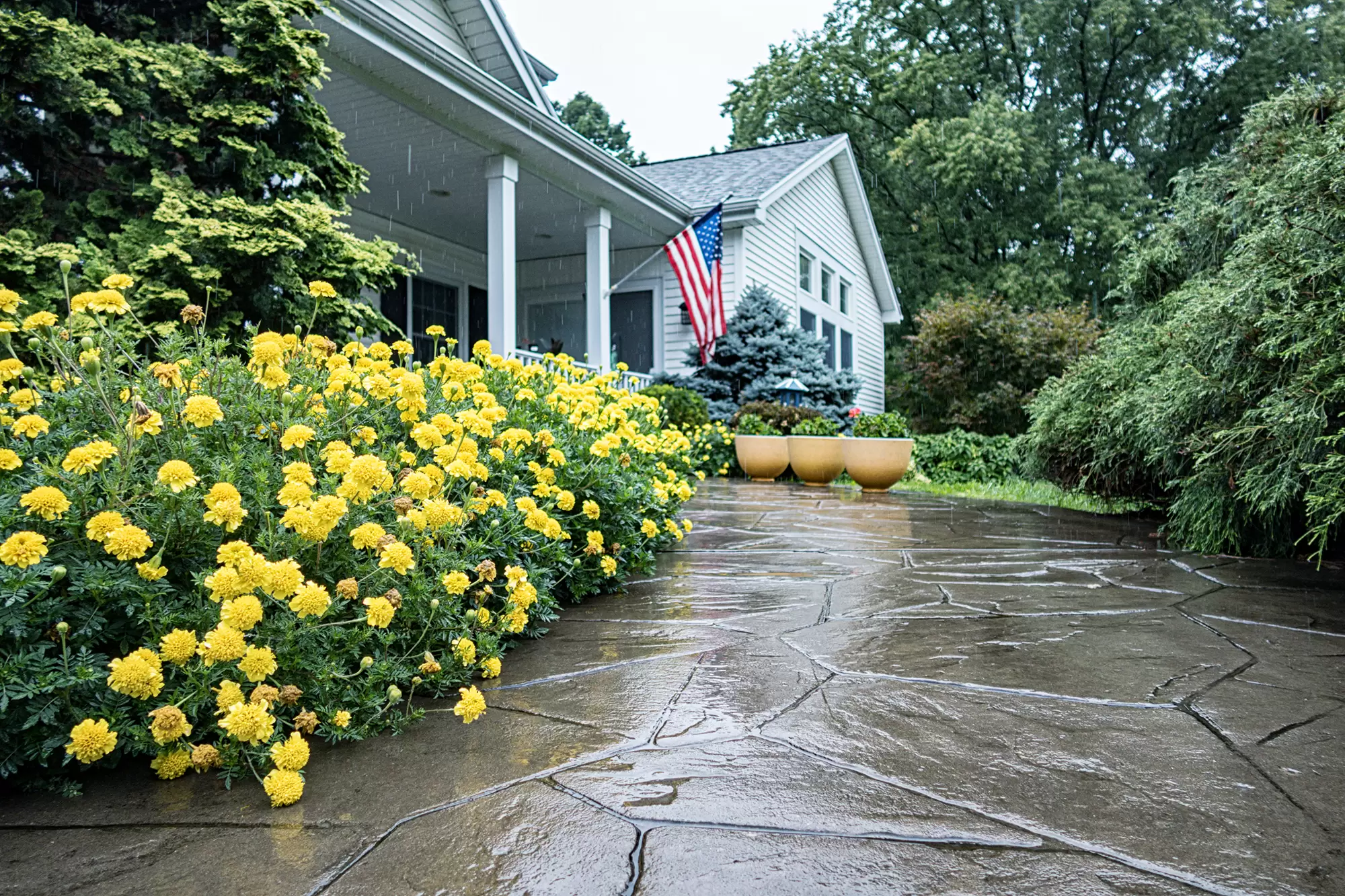
When most homeowners think about siding, they picture the color or style of their home. But siding has a much bigger job than boosting curb appeal. Every time it rains, your siding helps shield your home from moisture, humidity, and wind-driven rain that could otherwise work its way inside.
Properly installed siding acts as a protective barrier, directing water away from your home’s exterior while helping protect the materials underneath. Modern siding systems also work together with house wrap, flashing, and proper ventilation to manage moisture before it has a chance to become a much larger problem.
Small moisture problems can become big repairs
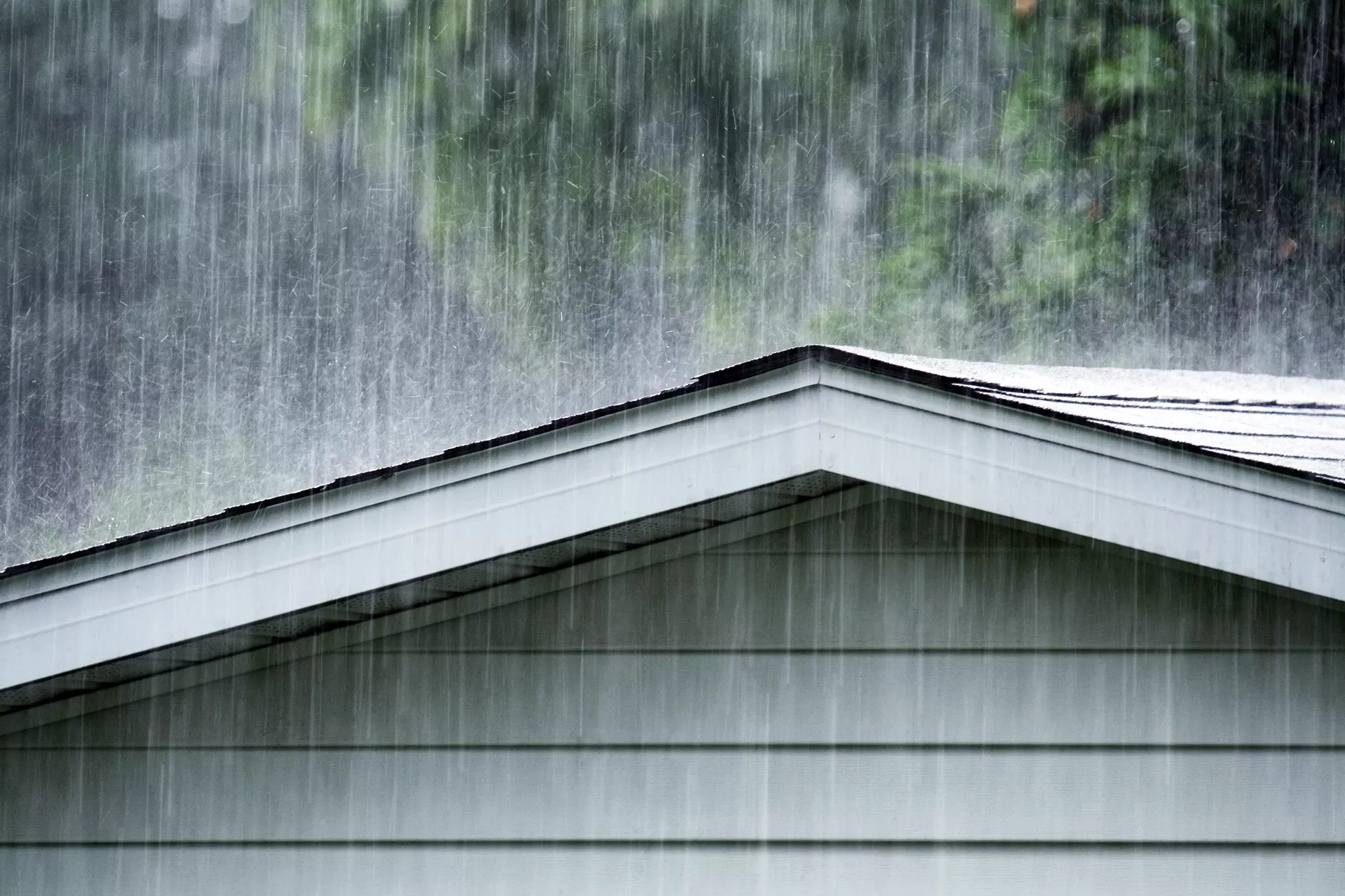
Not every moisture problem starts with a ceiling stain or a puddle on the floor. In many cases, water slowly works its way behind aging or damaged siding, where it can go unnoticed for months before signs of trouble begin to appear.
Once moisture gets trapped behind the siding, it can contribute to mold, mildew, wood rot, and even structural damage. That’s why preventing moisture damage behind siding starts with maintaining a strong exterior barrier. Replacing cracked, warped, or aging siding early can help protect your home’s framing and save you from much more expensive repairs later.
Do homes in Southern Mississippi need moisture-resistant siding?

If you’ve lived in Southern Mississippi for any length of time, you know our weather can be tough on a home’s exterior. Between the humidity, frequent rain, and coastal moisture, older siding often has to work overtime to keep your home protected.
That’s why today’s moisture-resistant exterior siding is designed for climates like ours. The best siding for humid climates resists moisture, holds up to changing weather conditions, and continues looking great for years. Professionally installed siding can also improve energy efficiency while reducing the maintenance that older materials often require.
Is siding enough to protect your home from humidity?
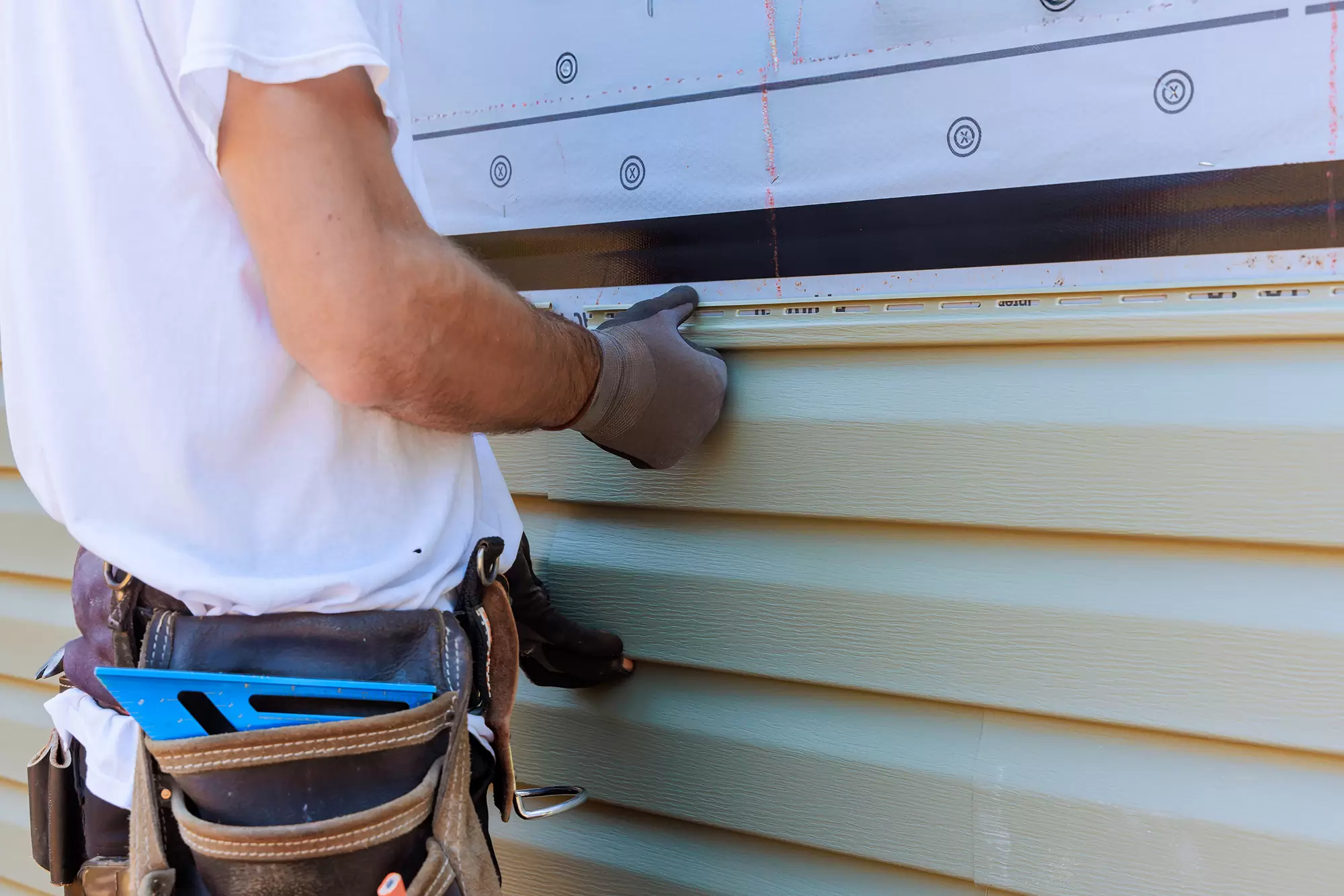
Siding doesn’t protect your home by itself. Think of it as one part of a complete exterior system that’s designed to keep moisture moving away from your home instead of allowing it to seep inside.
Behind the siding are important components like house wrap, flashing, caulking, and proper ventilation. Together, they help manage water and reduce the risk of moisture intrusion. That’s why professional siding installation matters just as much as choosing quality materials. When every piece works together correctly, your home stays better protected from Southern Mississippi’s humid climate.
How do you choose the right siding for your home?
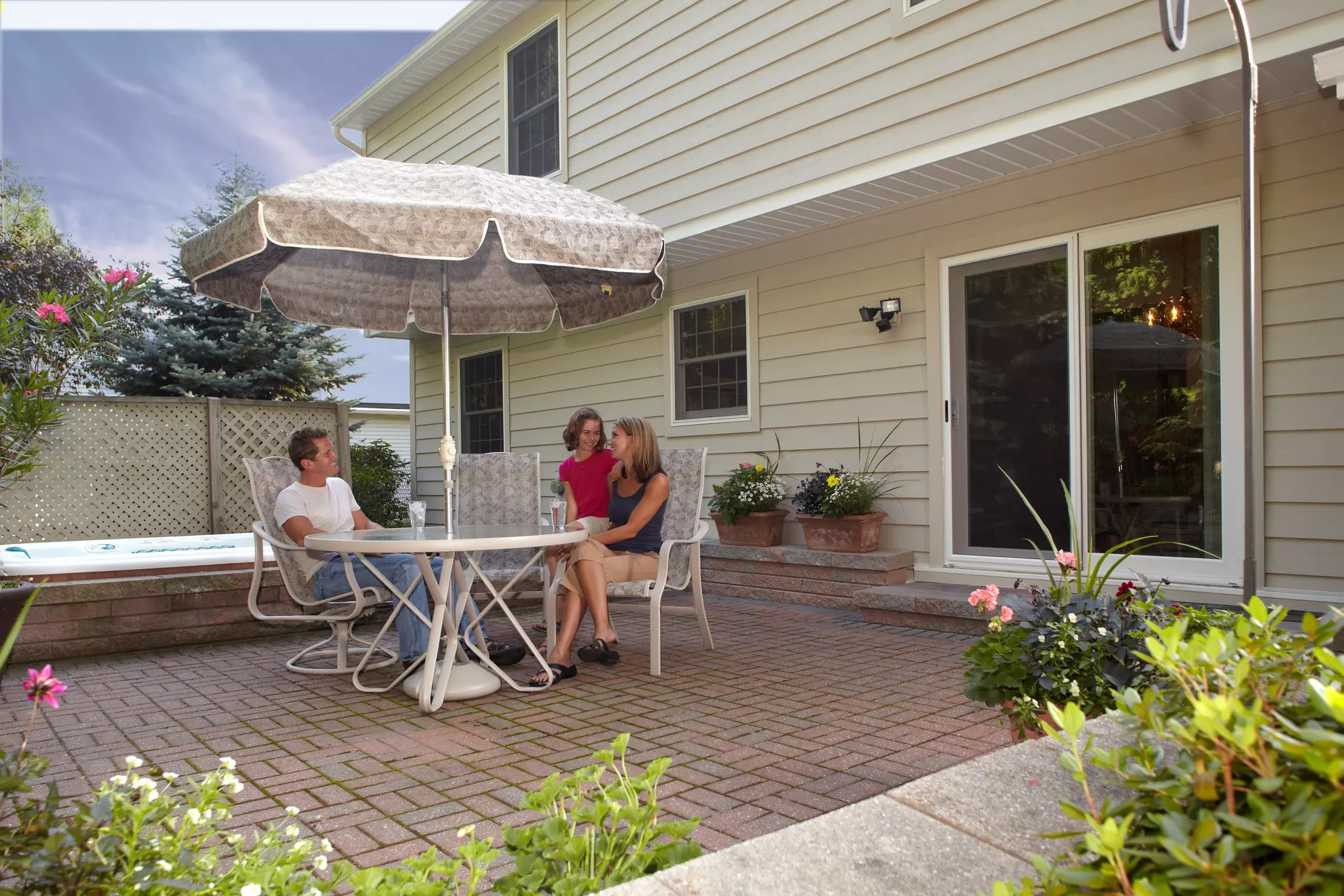
Once you’ve decided it’s time to replace your siding, the next question is, “Which material is right for my home?” While many siding products look similar at first glance, they don’t all perform the same in Southern Mississippi’s hot, humid climate. Choosing a material that’s designed to resist moisture can help protect your home while reducing maintenance for years to come.
Vinyl siding
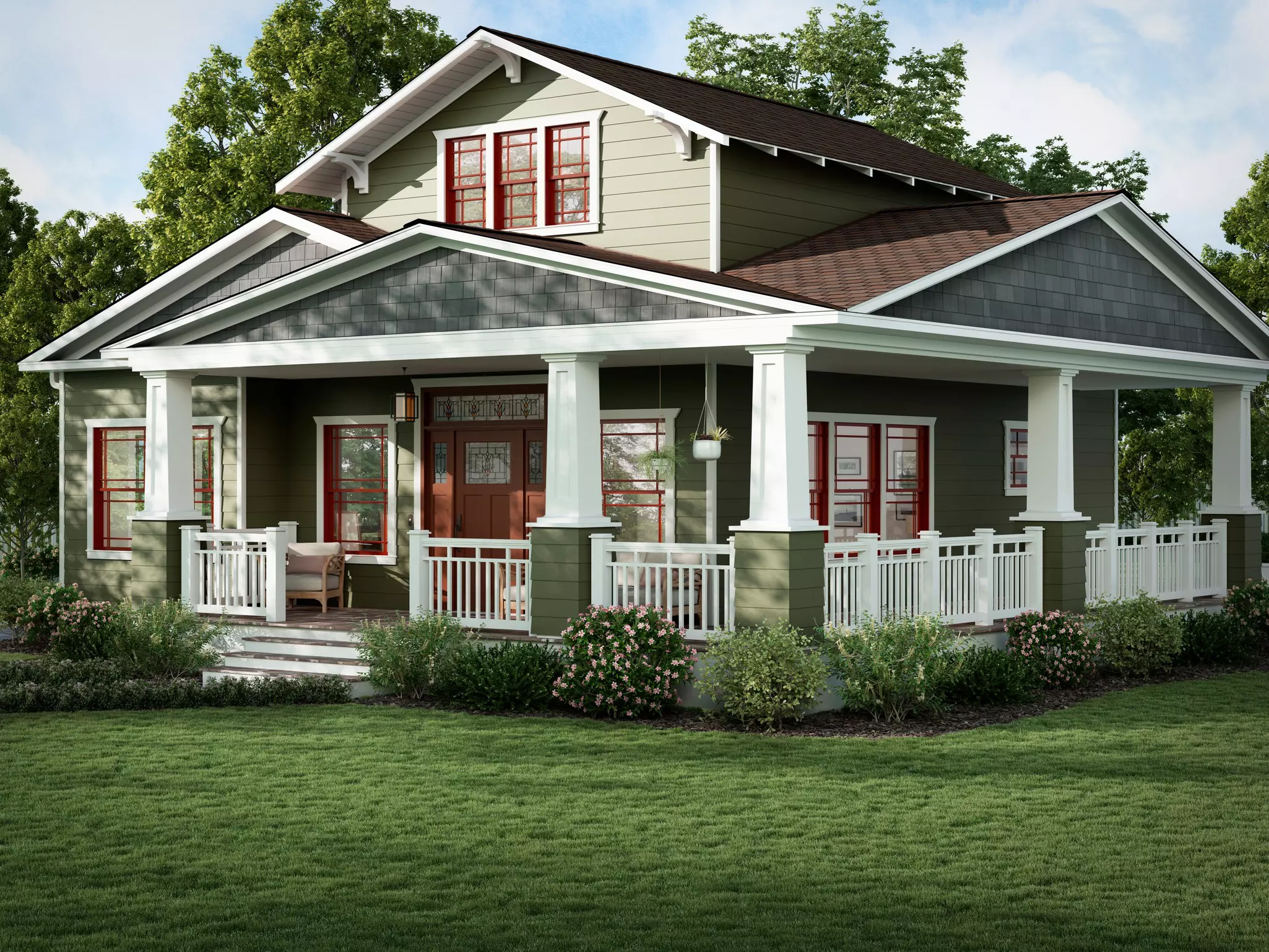
Vinyl siding remains one of the best siding options for high humidity because it resists moisture, doesn’t rot, and requires very little maintenance. It’s also available in a wide variety of colors and styles to complement nearly any home.
Engineered siding options
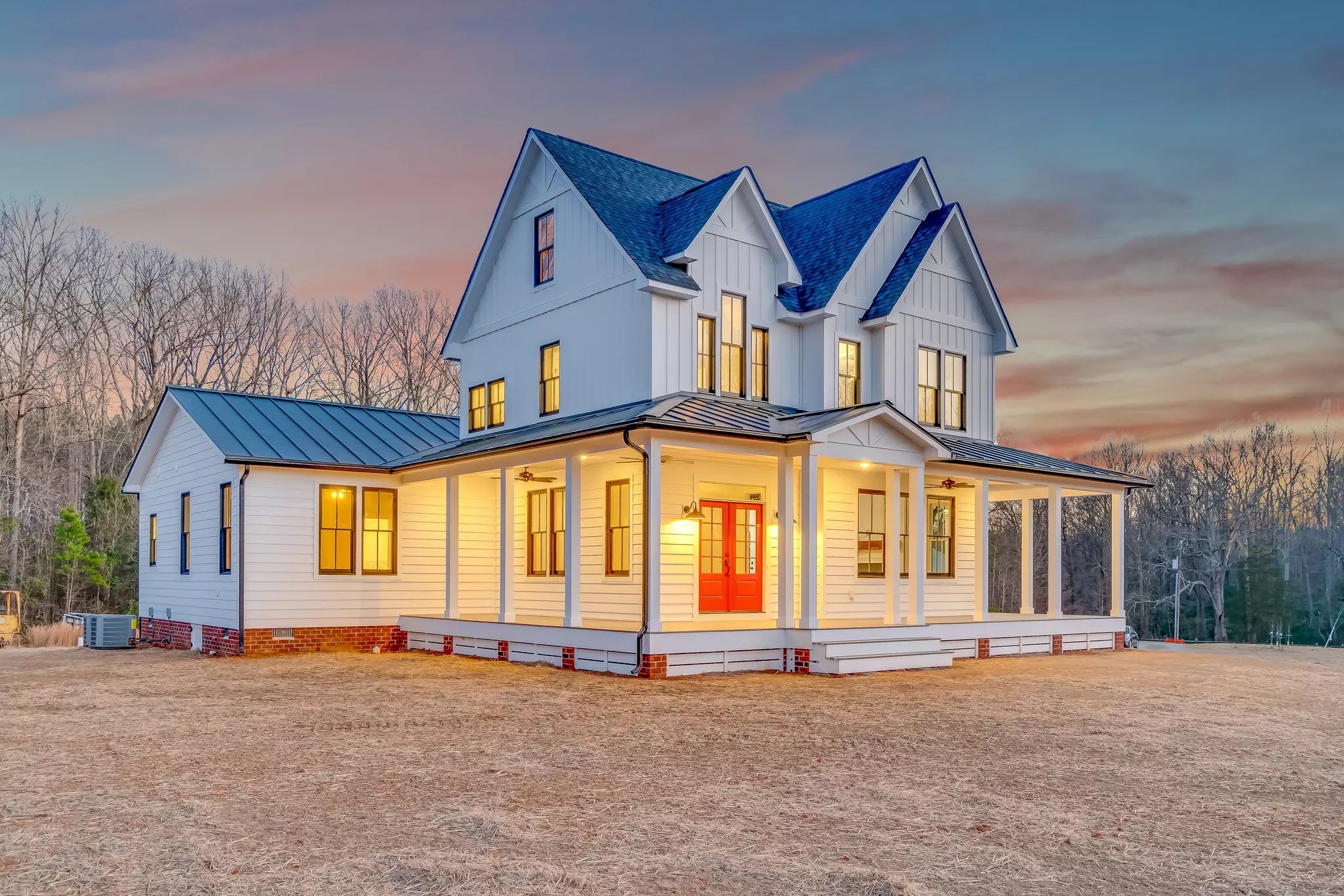
Some engineered siding products are also designed to withstand moisture while providing exceptional durability and long-lasting curb appeal. Choosing the right material depends on your home’s design, your budget, and your long-term maintenance preferences.
Our experienced siding professionals can help you determine which exterior siding best fits your home’s moisture-resistance needs.
When is the right time to replace your siding?
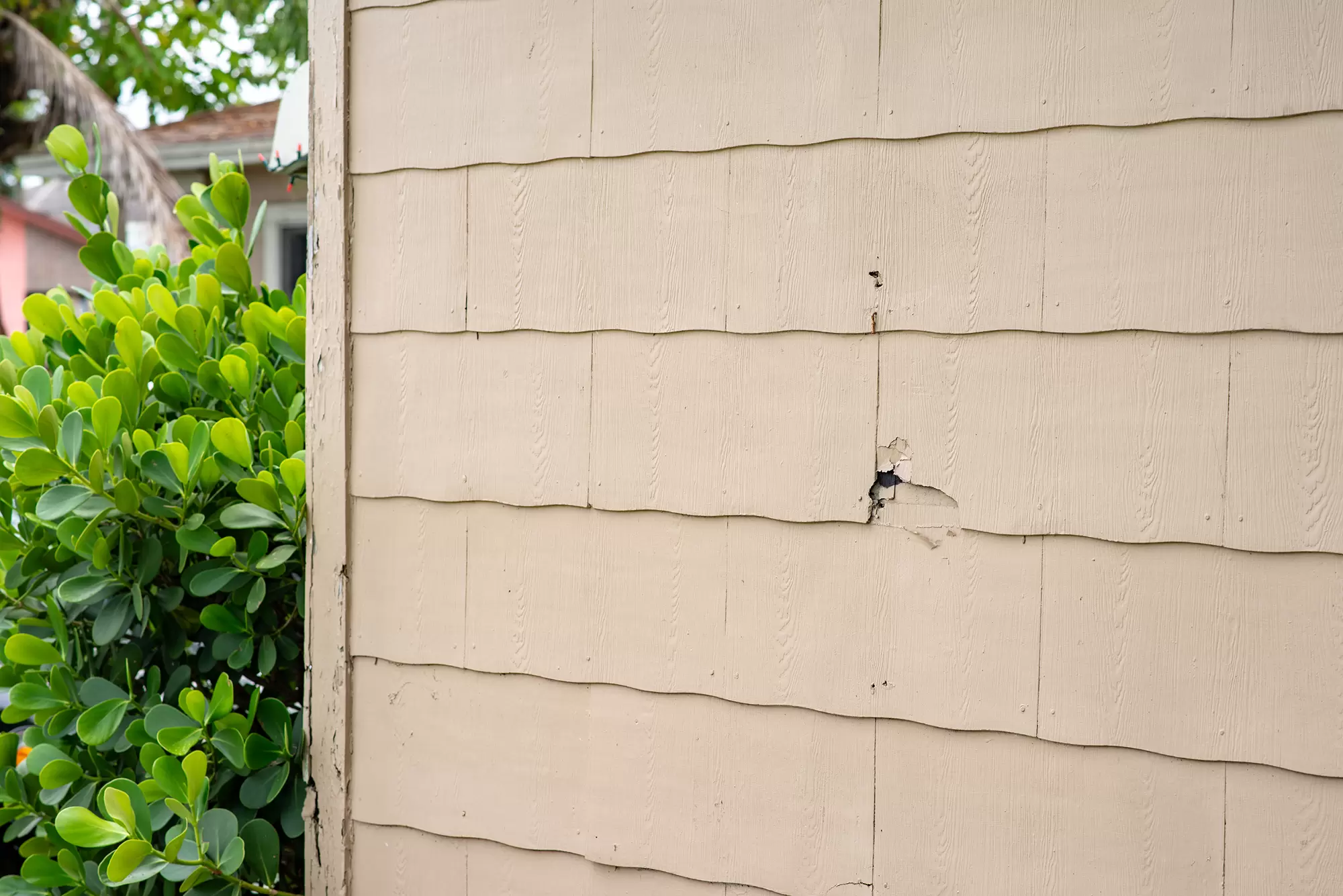
Your siding is designed to protect your home year after year, but even the best materials won’t last forever. As siding ages, it becomes more vulnerable to moisture intrusion, especially in Southern Mississippi’s humid climate. Catching problems early can help you avoid more extensive damage and keep your home better protected.
Some of the most common signs that it may be time to replace your siding include:
- Cracked or loose siding panels
- Warping or buckling
- Soft spots around exterior walls
- Mold or mildew growth
- Peeling paint inside your home near exterior walls
- Rising energy bills
- Water stains or other signs of moisture intrusion
If you’ve noticed one or more of these issues, it’s worth scheduling a professional inspection. In many cases, replacing aging siding before moisture reaches the structure of your home can prevent much more expensive repairs in the future while improving your home’s appearance, comfort, and energy efficiency.
Protect your home with replacement siding from Window World of Southern Mississippi
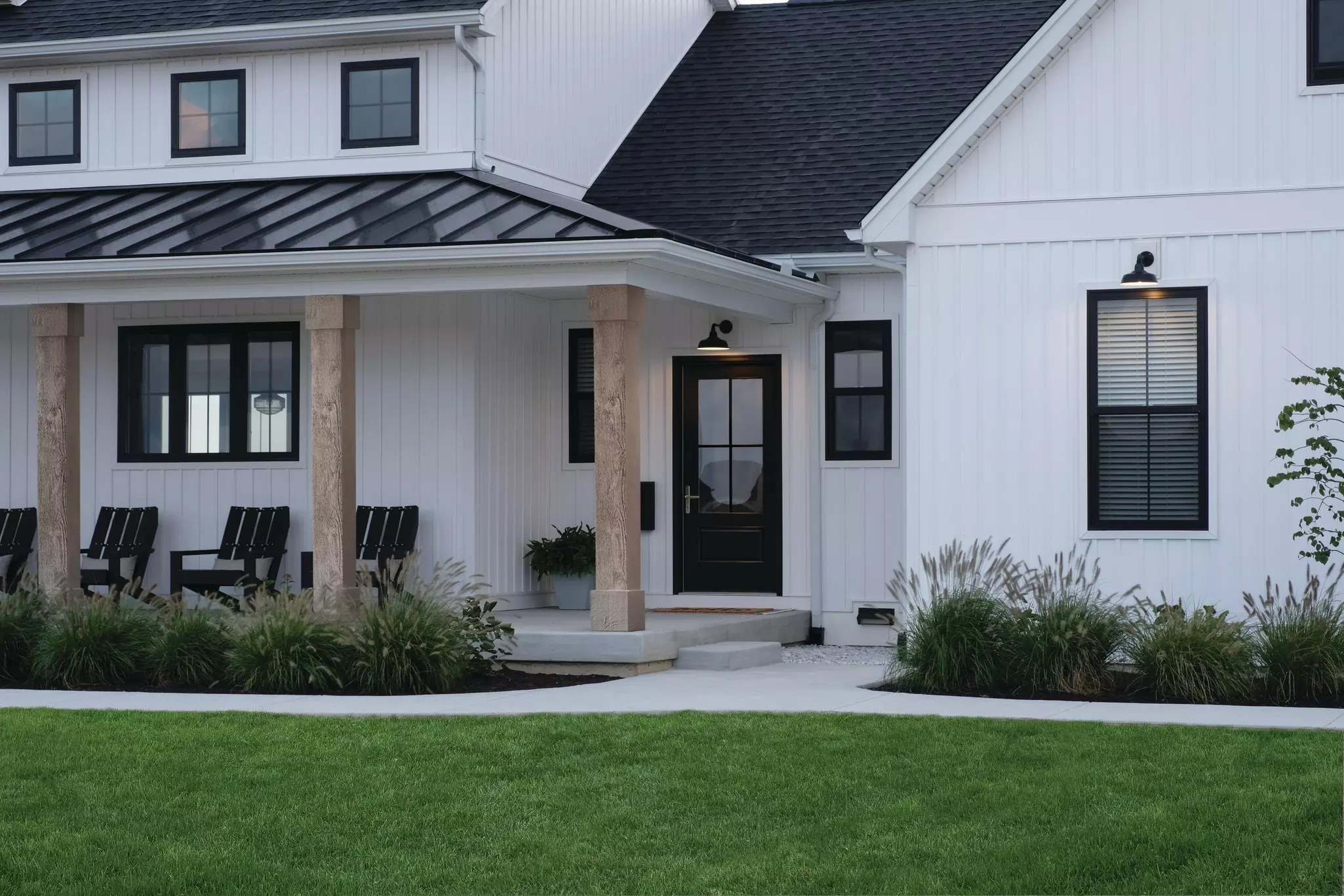
Southern Mississippi homeowners know how demanding the local climate can be. Choosing high-quality siding isn’t just about improving curb appeal. It’s about protecting your home from humidity, heavy rain, and the moisture that can lead to costly damage over time.
At Window World of Southern Mississippi, we install durable, moisture-resistant siding that’s built to perform in our Gulf Coast climate. If your current siding is showing signs of wear or you’re ready to upgrade your home’s exterior, our team is here to help you find the right solution. Contact us online today to schedule your free in-home estimate.
Frequently Asked Questions (FAQs)
If you’ve lived along the Mississippi Gulf Coast for any length of time, you’ve probably heard people talking about impact-resistant windows. Whether a neighbor recently upgraded theirs or you’re researching ways to make your home more comfortable and secure, impact windows have become a popular topic among area homeowners.
But what exactly makes impact-resistant windows different from standard windows? Are they really as strong as people say? And what can they actually withstand during severe weather?
Impact-resistant windows do more than many homeowners realize. In addition to helping protect your home during storms, they can also reduce outside noise, improve security, and help block harmful UV rays.
In this guide, we’ll break down how impact-resistant windows work, how strong they are, and why they’re becoming an increasingly popular choice for homeowners throughout Southern Mississippi.
What are impact-resistant windows?
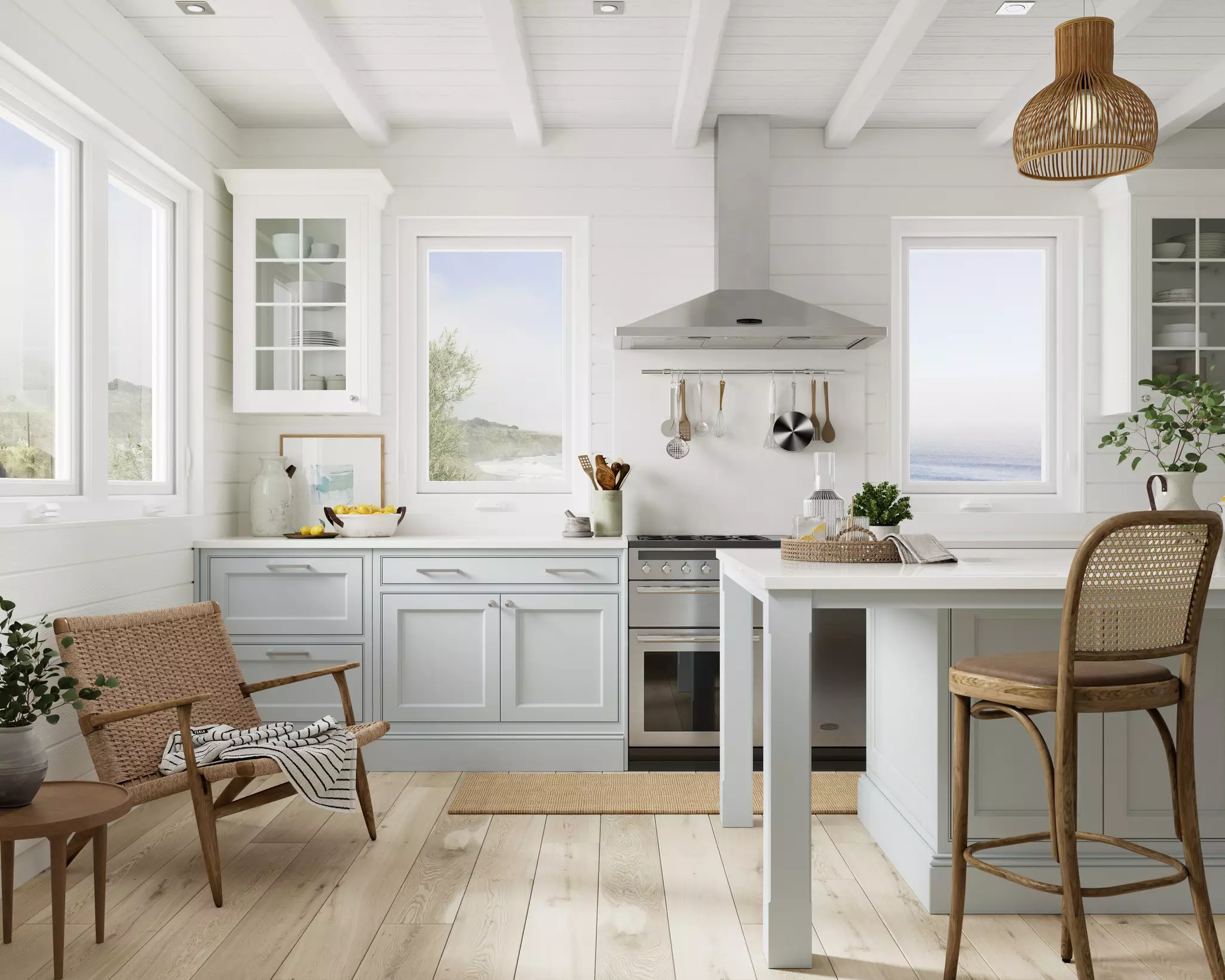
Impact-resistant windows are specially designed to help protect homes from high winds, flying debris, and other severe weather conditions. Unlike traditional windows, they are built with multiple layers that work together to create a stronger, more durable barrier.
At the heart of an impact-resistant window is laminated glass, which consists of glass panes bonded to a strong polymer interlayer. This interlayer helps hold the glass together if it cracks, reducing the likelihood of large openings that can allow wind and rain into your home. Impact windows also typically feature reinforced frames, heavy-duty hardware, and durable seals designed to withstand severe weather conditions.
Together, these components help the window withstand conditions that might cause a standard window to fail. That’s why impact-resistant windows have become a popular choice for homeowners throughout Southern Mississippi and other hurricane-prone regions.
How do impact-resistant windows work?

Impact-resistant windows typically consist of two panes of glass bonded to a clear interlayer, often made from polyvinyl butyral (PVB) or similar materials. If an object strikes the window, the glass may crack, but the interlayer helps hold the pieces together.
Think of it like a vehicle windshield. Even when damaged, the glass remains largely in place instead of shattering into dangerous fragments.
The laminated glass construction helps maintain the building envelope during severe storms. By preventing large openings in the home, impact windows reduce the risk of sudden pressure changes that can contribute to roof damage and structural failure during hurricanes.
How strong are impact-resistant windows?
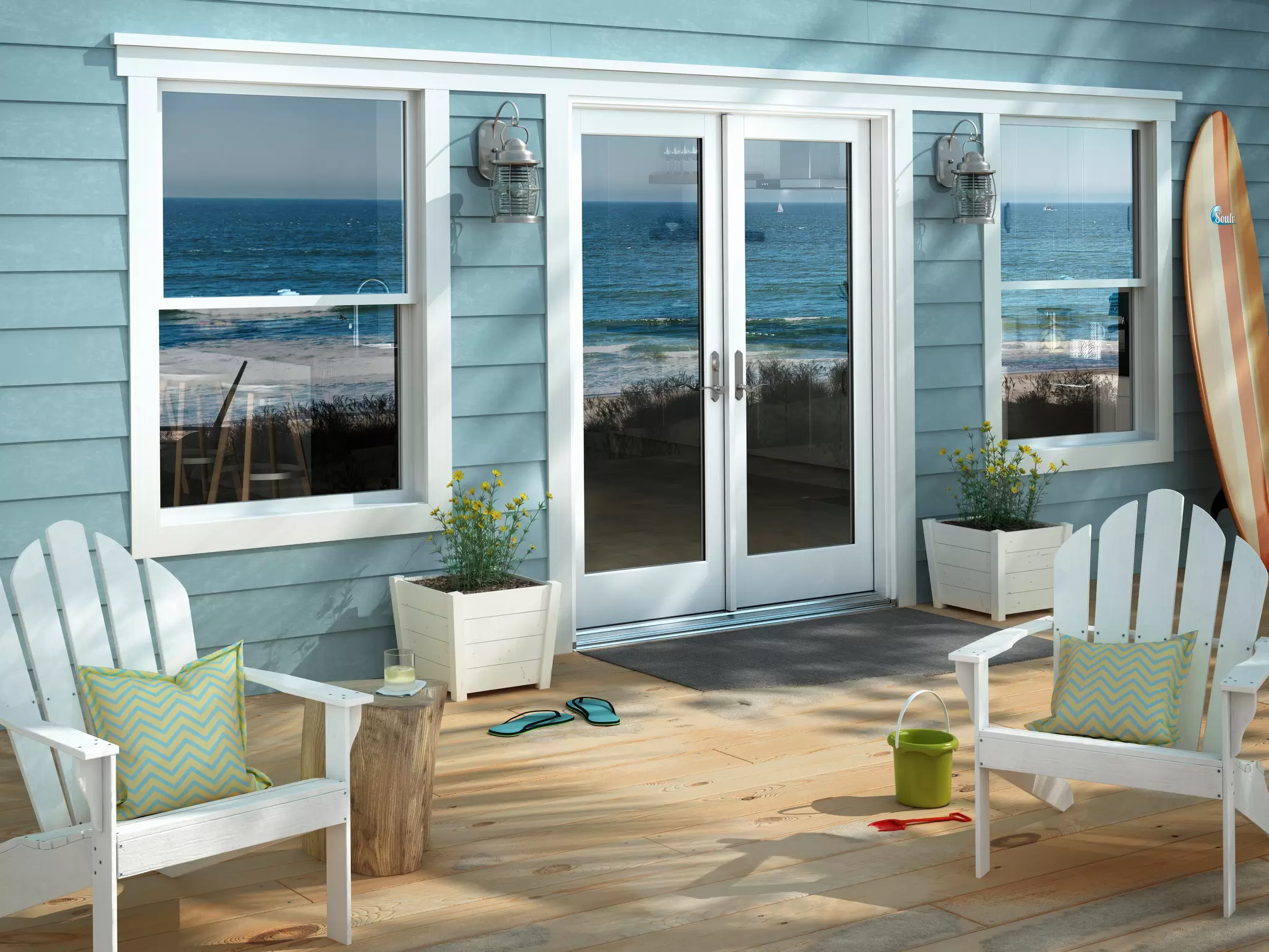
Impact-resistant windows are built to withstand forces that would cause many standard residential windows to fail. During severe weather, a traditional window can shatter from flying debris, leaving your home vulnerable to wind, rain, and additional damage.
Impact-resistant windows are designed differently. They’re engineered to absorb and disperse the force of an impact, reducing the likelihood of catastrophic failure. Before receiving an impact rating, these windows undergo rigorous testing designed to simulate real-world hurricane conditions.
In many cases, testing involves launching projectiles at the glass to simulate debris carried by hurricane-force winds, such as roof shingles, large tree branches, and other storm-related hazards.
Depending on the product and rating, impact-resistant windows are designed to withstand:
- Flying debris during severe storms
- Hurricane-force winds
- Rapid changes in air pressure
- Wind-driven rain
It’s important to remember that not all impact windows offer the same level of protection. When you’re shopping for impact window quotes, ask your home remodeling company if their windows meet local building codes and are approved for your region.
What can impact windows withstand?

Impact-resistant windows are designed to handle much more than an occasional strong storm. From flying debris during a hurricane to sustained high winds and wind-driven rain, these windows are engineered to perform under some of the toughest weather conditions homeowners can face.
While performance varies by product and rating, quality impact-resistant windows are built to resist a lot of hazards. Here are a few of the most critical.
Flying debris

During hurricanes and severe thunderstorms, flying tree branches, roof shingles, and outdoor furniture can become dangerous projectiles. Impact windows are tested to withstand strikes from debris traveling at high speeds.
Extreme weather conditions

Impact-resistant windows are engineered to perform during severe weather events, including the tropical storms and hurricanes that hit the Mississippi Gulf Coast. They’re designed to withstand the combination of high winds, wind-driven rain, and flying debris from these storms.
Repeated wind pressure

The challenge doesn’t end after a window is struck by debris. During a major storm, windows may face hours of constant wind pressure pushing and pulling against the glass and frame. Impact-resistant windows are tested to withstand these repeated pressure cycles, helping them continue protecting your home even after an initial impact.
What wind speed can impact windows withstand?
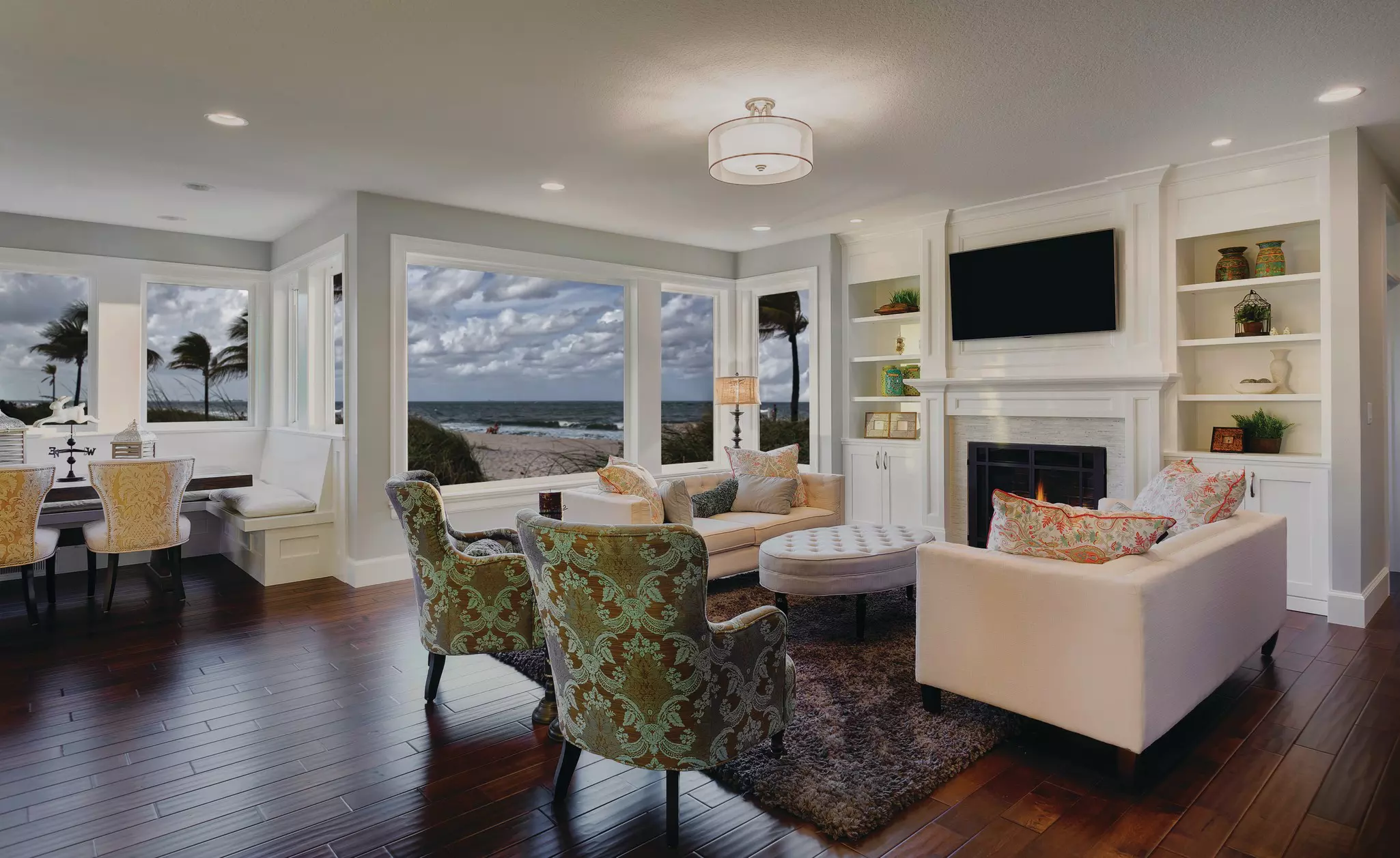
There isn’t a single wind-speed rating that applies to every impact-resistant window. Performance can vary based on the product, installation quality, and local building requirements.
Many impact-rated windows are designed to withstand the severity of hurricanes and tropical storms. Rather than focusing solely on wind speed, exterior remodeling professionals often look at a window’s design pressure (DP) rating, which measures how much wind pressure it can resist before failing.
For homeowners along the Gulf Coast, impact windows’ wind resistance is one of the key reasons these products are a popular choice for storm protection and peace of mind.
Can impact windows break?
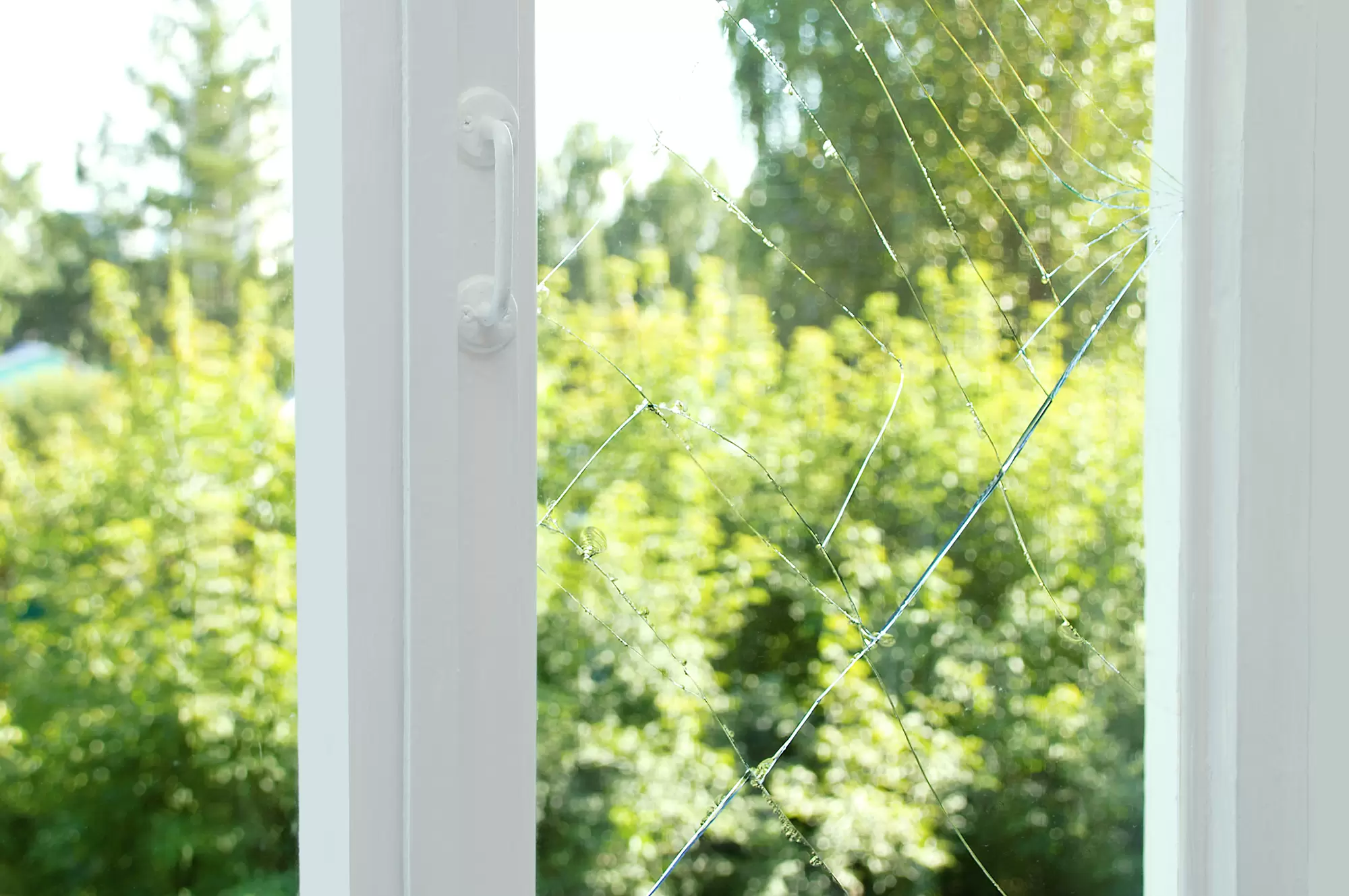
One of the biggest misconceptions about impact-resistant windows is that they’re completely unbreakable. While these windows are incredibly durable, they aren’t necessarily shatterproof. Under a significant impact, the glass may crack, but that’s where their design makes all the difference.
The laminated construction helps hold the glass together, preventing it from shattering and creating a large opening. Even when cracked, many impact-resistant windows continue to provide protection against wind and rain intrusion.
This distinction is important because the goal of impact-resistant windows isn’t to prevent every crack or blemish. Instead, they’re designed to help prevent catastrophic failure that could leave your home exposed during a severe storm.
How can you tell if windows are impact resistant?
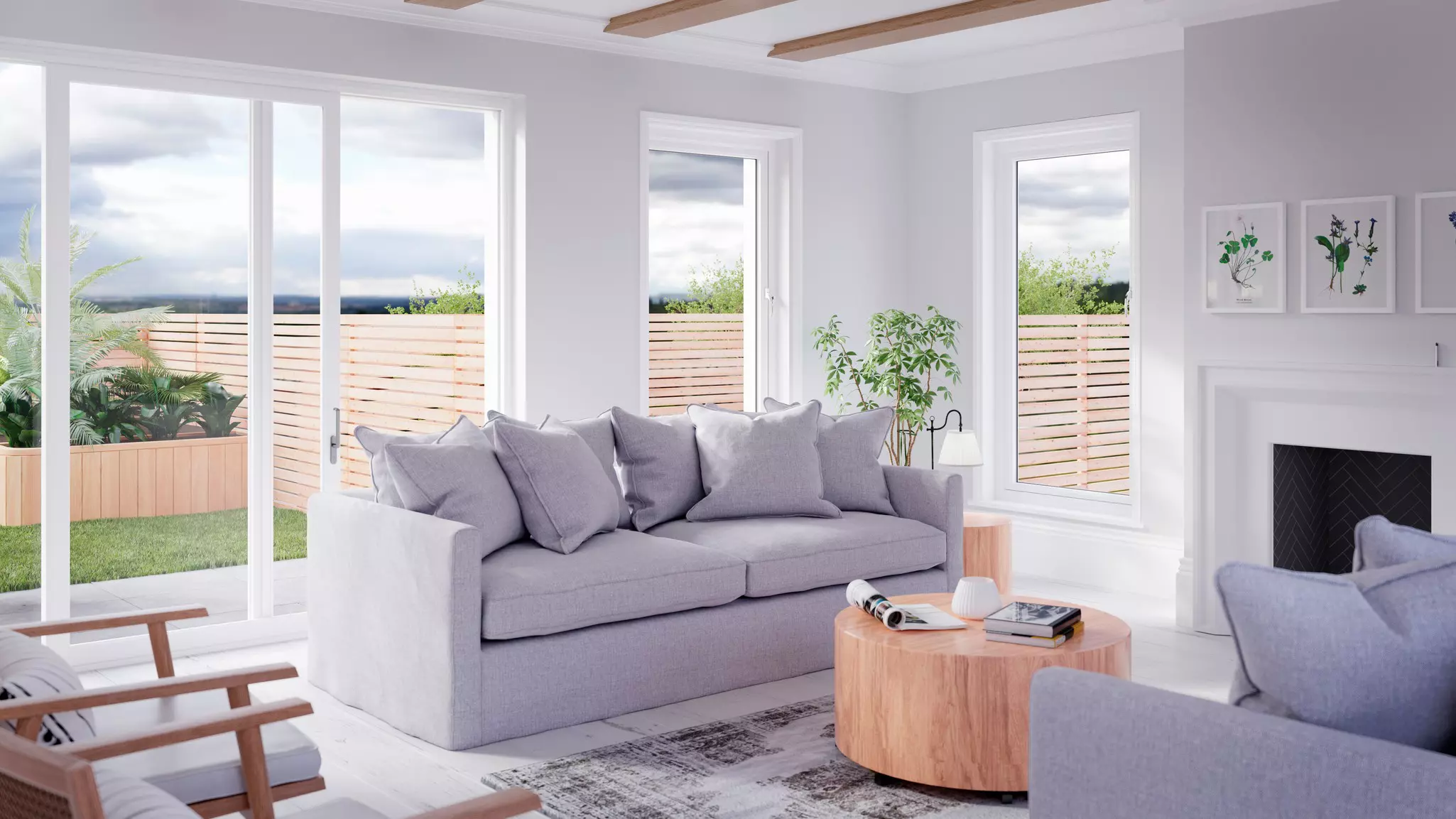
If you’re unsure whether your current windows are impact-rated, a few quick checks can help you determine whether they were designed to withstand severe weather.
- Check the product label: Many impact-resistant windows include labels or markings that identify performance ratings and certifications.
- Review manufacturer documentation: Installation paperwork or product specifications may indicate whether the windows are impact rated.
- Look for laminated glass: You may be able to see the interlayer between the panes by looking closely at the edge of the glass.
- Contact a local window professional: An exterior remodeling expert can inspect your windows and confirm whether they are impact resistant.
Do impact windows offer more than hurricane protection?
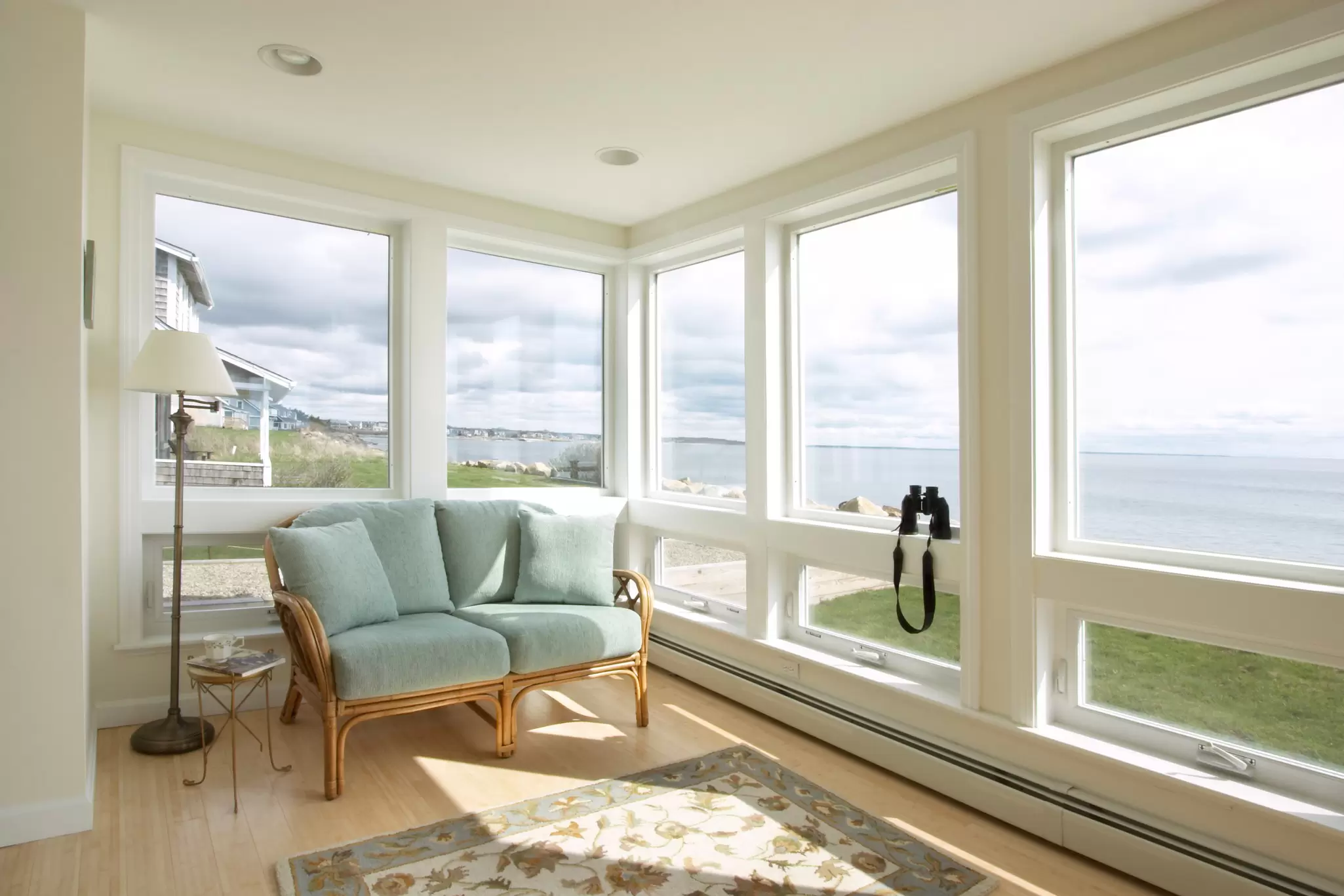
Although storm protection is the primary reason many homeowners choose impact-resistant windows, they offer several additional benefits.
Enhanced security

Impact-resistant windows aren’t just designed to stand up to storms – they can also make your home more secure year-round. Because the glass is laminated, it is much harder to break through intentionally than traditional window glass. Even if the glass cracks after a strong impact, the interlayer helps hold everything together, making it more difficult for someone to gain entry.
For example, a standard window might shatter completely if struck by a heavy object, creating an easy opening. An impact-resistant window is designed to stay largely intact, buying valuable time and adding another layer of protection for your family and belongings.
Noise reduction
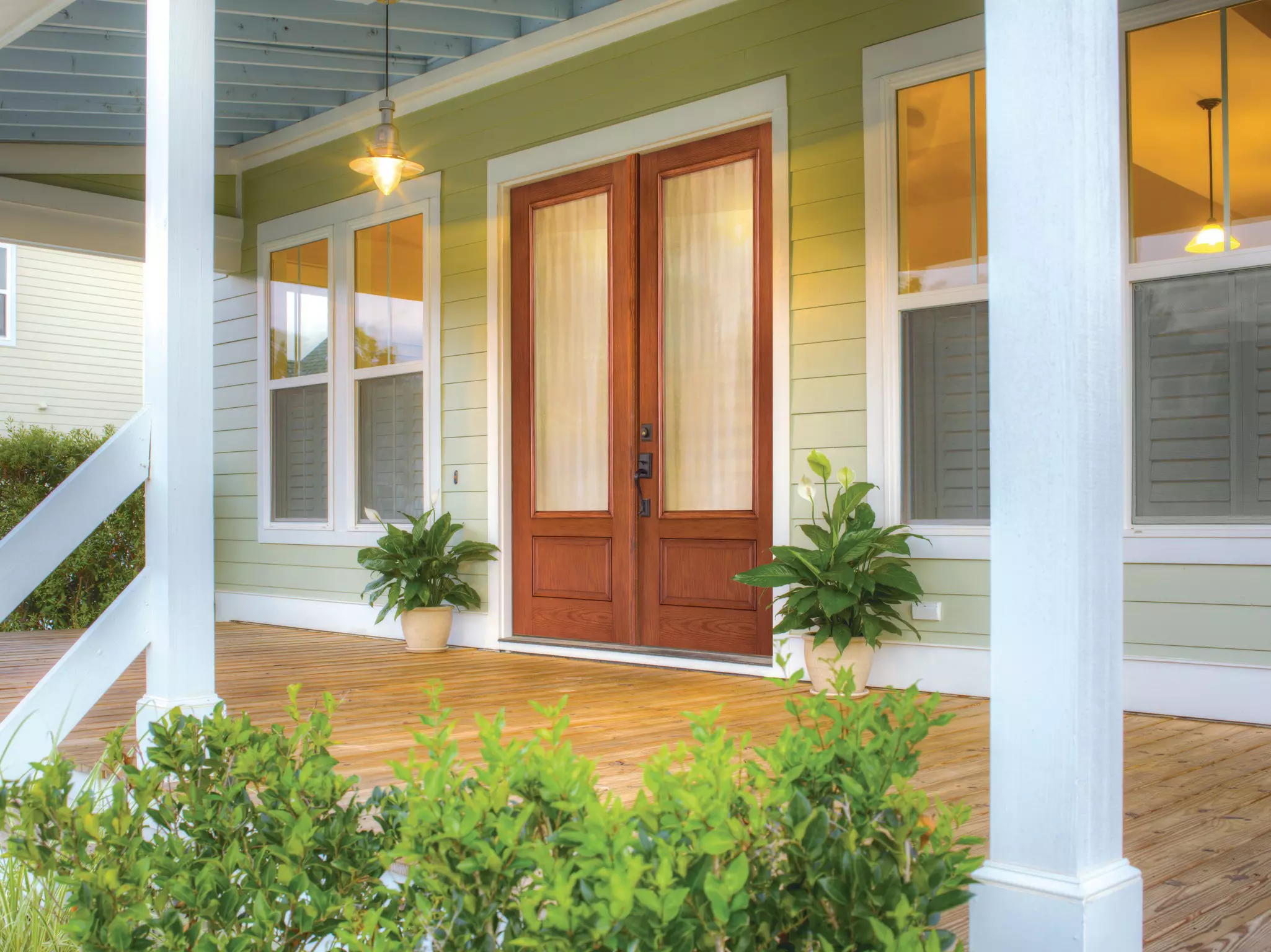
If you live near a busy road, railroad tracks, a school, or simply have neighbors who enjoy spending time outdoors, impact-resistant windows can help create a quieter indoor environment.
The same laminated glass that helps protect against flying debris also helps reduce outside noise. Many homeowners notice less traffic noise, fewer barking dogs, and a reduction in everyday neighborhood sounds after upgrading to impact windows.
This added sound reduction can make your home feel more peaceful and comfortable year-round.
UV protection
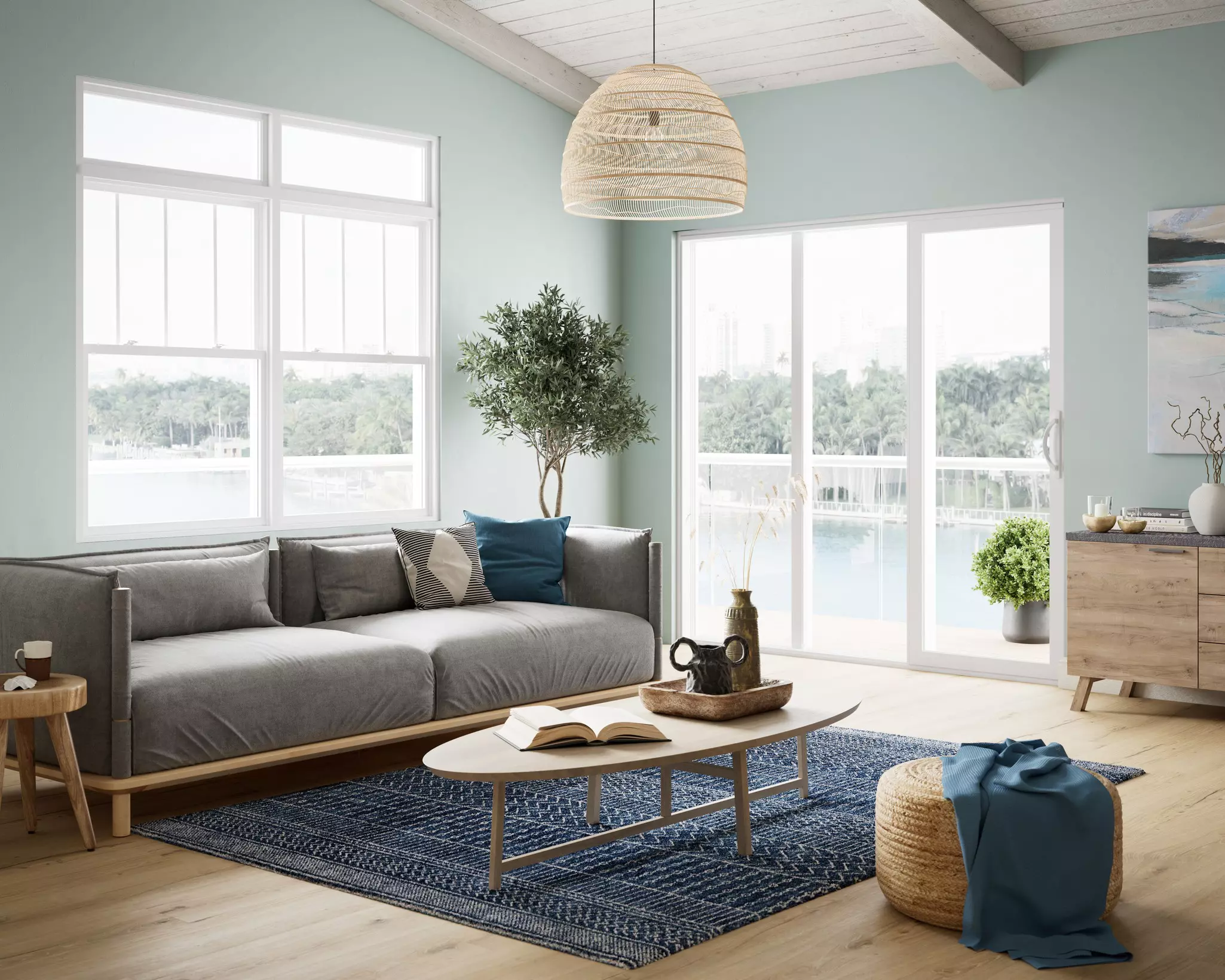
The Gulf Coast region gets plenty of sunshine, and those sunny days can take a toll on your home’s interior over time. Prolonged exposure to ultraviolet (UV) rays can cause hardwood floors, furniture, rugs, and curtains to fade.
Many impact-resistant windows help block a significant amount of UV radiation, which can help preserve the appearance of your home. UV protection can help slow fading and keep your interiors looking their best for longer.
Increased peace of mind

For many Southern Mississippi homeowners, the biggest benefit may be the confidence that comes with knowing their home is better prepared for hurricane season.
When a tropical storm or hurricane is headed toward the Gulf Coast, there’s already enough to worry about. Impact-resistant windows can help eliminate one concern by providing an extra layer of protection against high winds and flying debris.
Learn more about the value of impact-resistant windows
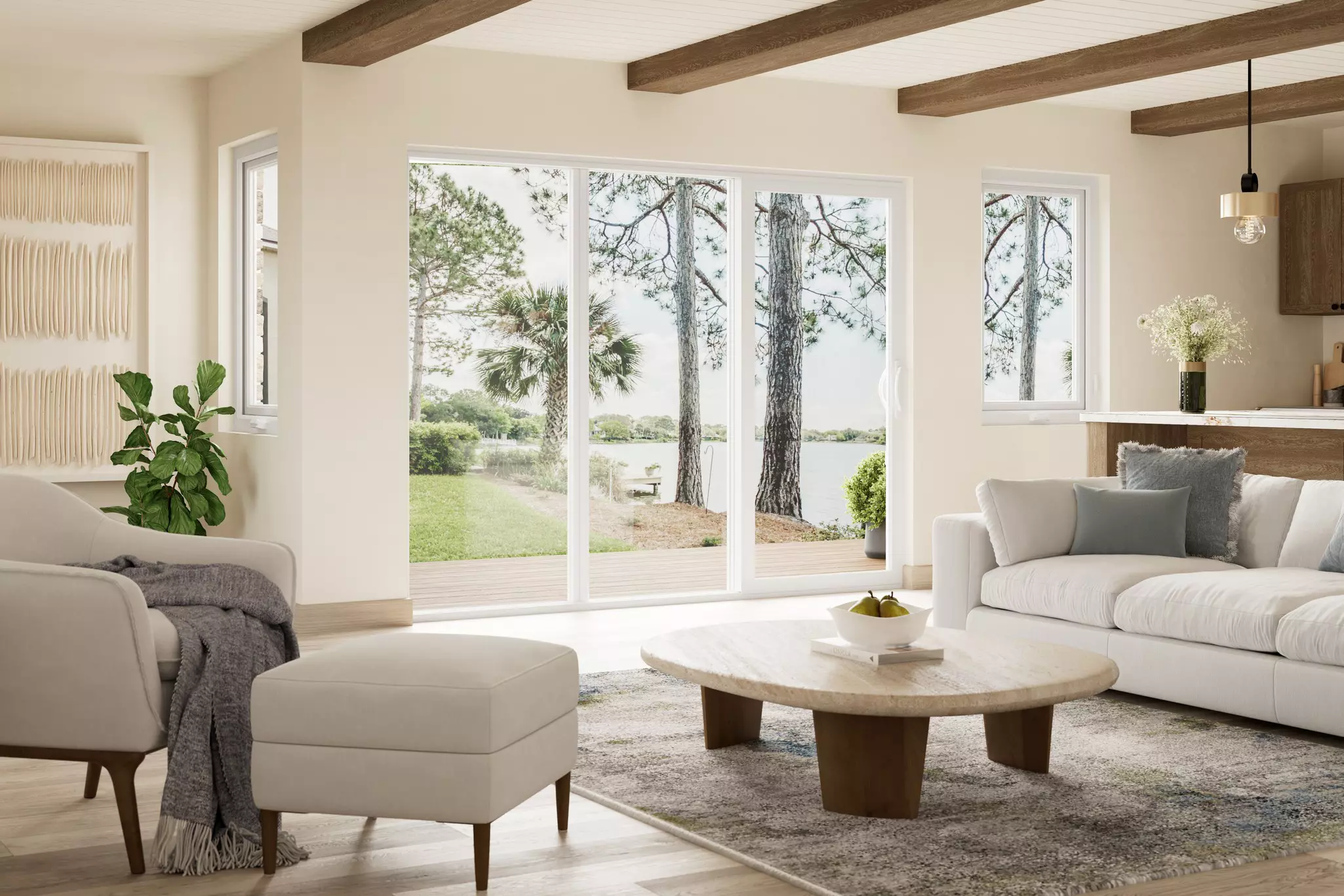
For many Southern Mississippi homeowners, the choice to install impact windows comes down to that peace of mind. Impact-resistant windows are designed to help protect your home during hurricanes and severe storms, but their benefits don’t stop there. They can also improve security, reduce outside noise, and help shield your home’s interior from harmful UV rays.
While no window is completely stormproof, impact-resistant windows offer an extra layer of protection that standard windows simply can’t match. If you’re looking for a way to make your home more resilient, comfortable, and secure, this upgrade is worth considering.
If you’re considering impact-resistant windows for your home in Southern Mississippi, our team at Window World can help you explore options that satisfy local building requirements while improving comfort, security, and peace of mind. Schedule a free consultation online to learn more about the right solution for your home.
At Window World of Southern Mississippi, we pride ourselves on being able to deliver the best impact windows and other home remodeling solutions. Reach out today to learn more about what we can do for your home, or visit our showrooms in Gulfport or Hattiesburg, MS to see our offerings in person!
If you’ve ever noticed that one room in your home is always bright and warm while another stays cool and shaded no matter the season, it’s probably because of the orientation of your windows. The direction your windows face determines how much natural light enters your home, how warm or cool different rooms feel throughout the day, and ultimately how hard your heating and cooling system has to work year-round.
Window direction is a topic that comes up often for homeowners thinking about anything from interior design and natural light to houseplants and energy bills. If you’ve been wondering which direction is best, you’ve come to the right place. Whether you’re replacing your existing windows or simply trying to understand why your west-facing living room feels like an oven every summer afternoon, here’s what you need to know.
Why window direction matters more than you might think

Most homeowners choose windows based on style – for instance, the size, the frame color, or the grid pattern. But the compass direction your windows face is just as important since it affects how much direct sunlight they receive, at what time of day, and for how long. That shapes the temperature of the rooms they serve, the quality of light inside, and your home’s overall energy performance.
In a climate like Mississippi’s, where summers are long, hot, and humid, understanding window orientation is especially practical. The right windows in the right direction – paired with the right glass technology – can meaningfully reduce your energy bills and make your home more comfortable year-round.
How each window direction affects your home
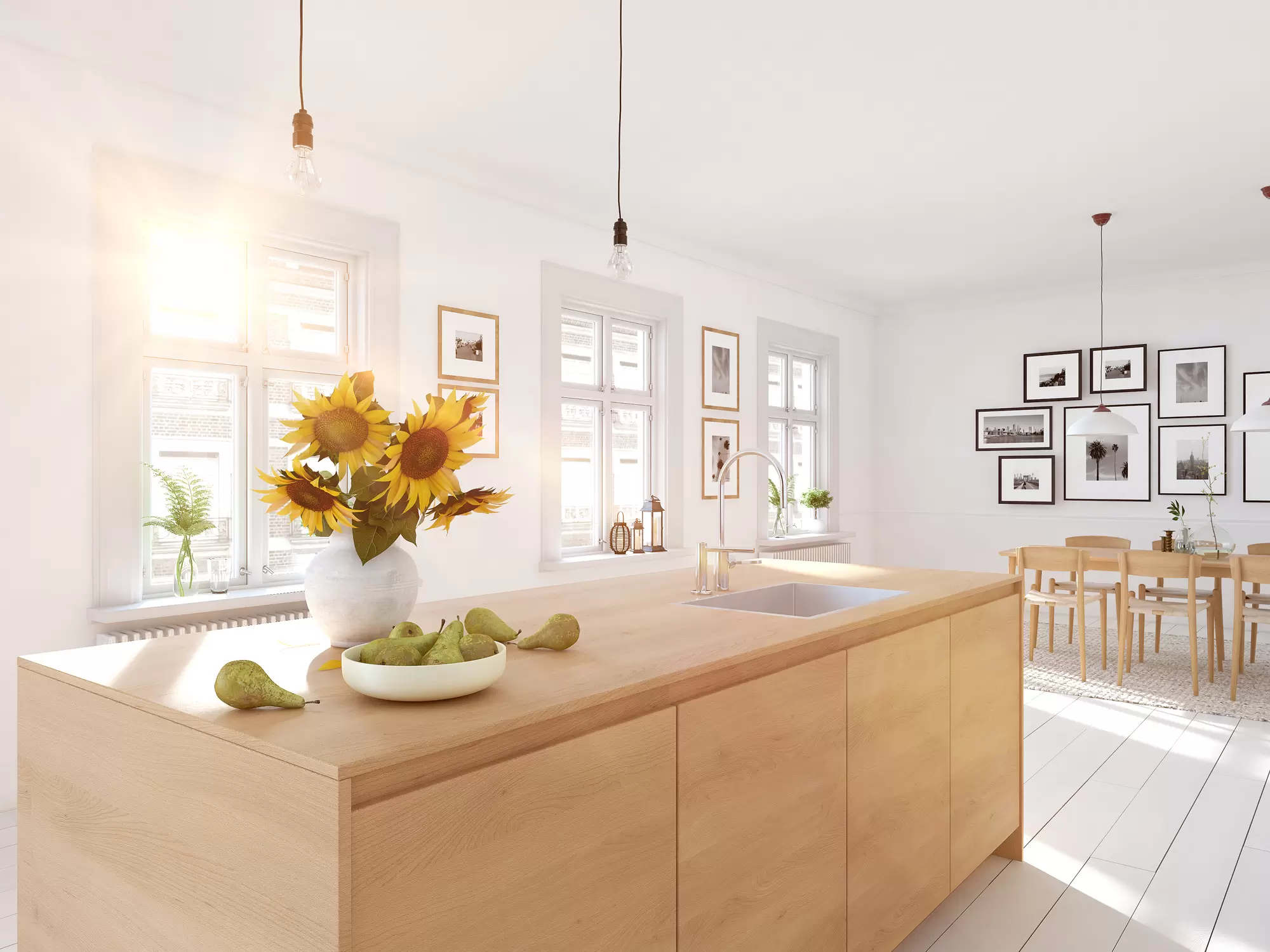
Every potential direction for your windows has different effects, positives, and downsides. Here’s an overview of the real impact of each on your home.
North-facing windows
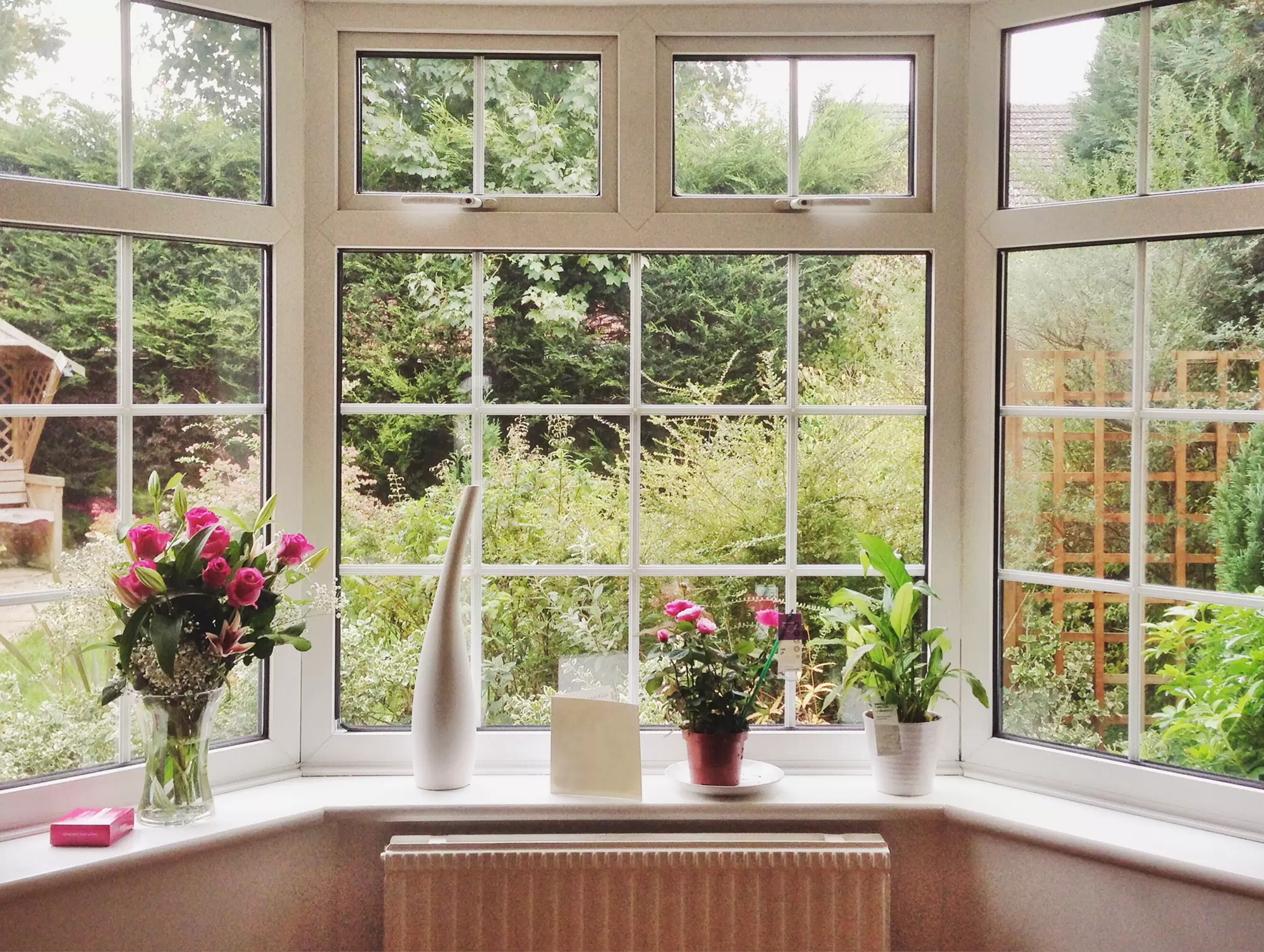
North-facing windows receive no direct sunlight at any point during the day. Instead, they admit soft, consistent, indirect light from morning to evening: a quality many designers favor for studios, home offices, and spaces where glare-free light is a priority.
Because they never take direct sun, north-facing windows produce very little solar heat gain, which is a genuine advantage in summer. The trade-off is winter: without direct sunlight, they contribute little to passive solar warming and can even be a source of heat loss in older or poorly insulated homes. Energy-efficient glass is especially worth prioritizing on north-facing windows for this reason.
South-facing windows
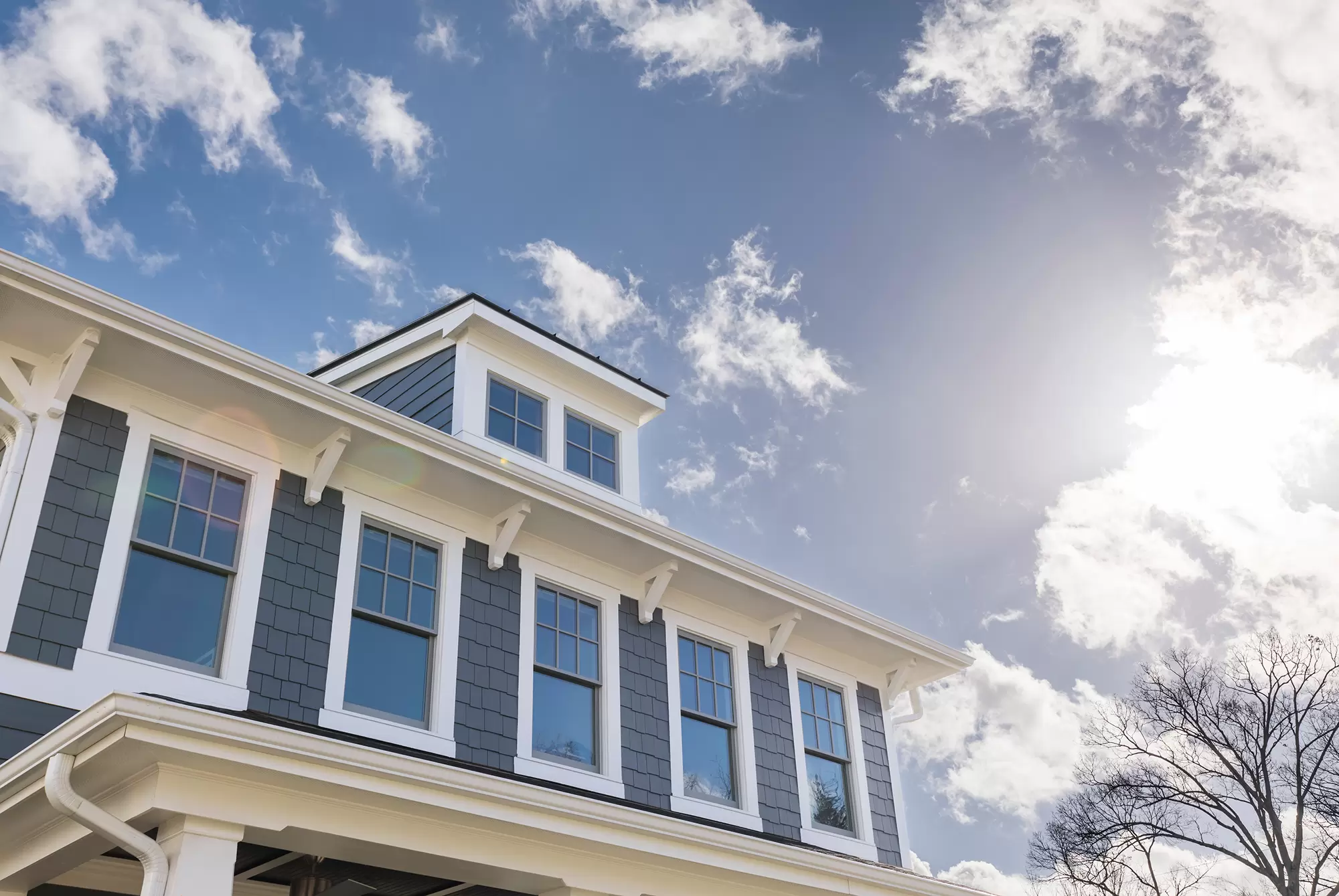
South-facing windows are widely considered the gold standard for energy efficiency. In the northern hemisphere, the sun tracks across the southern sky throughout the day, meaning south-facing windows receive more total direct sunlight than any other orientation. Of course, the sun still hits south-facing windows differently throughout the year.
In winter, the sun sits lower in the sky, so light penetrates deeper into the room and naturally warms your living spaces. In summer, that same sunlight becomes intense enough to significantly increase cooling costs without proper management. Modern Low-E glass is designed for exactly this challenge since they reflect infrared heat while still allowing natural light through, so you can enjoy south-facing windows year-round without overheating your home.
East-facing windows

East-facing windows greet the day with direct morning sun and spend the afternoon in shade. It’s a gentle, forgiving orientation – rooms warm up naturally as the sun rises, then stay cooler through the hottest part of the afternoon, which is a big benefit in Southern Mississippi summers.
Bedrooms and breakfast nooks are natural fits for this direction. Morning light is welcoming and energizing, and the afternoon shade keeps spaces comfortable without putting extra strain on your air conditioning. From an energy standpoint, east-facing windows are among the easiest to manage in a warm climate.
West-facing windows

West-facing windows receive direct afternoon and evening sun, which produces beautiful golden light but also brings the most intense solar heat gain of any orientation. That afternoon sun arrives when outdoor temperatures have already been climbing for hours, and without high-performance glass, it can make west-facing rooms uncomfortably warm and noticeably increase your cooling bills.
That’s not to say west-facing windows aren’t worth having – the evening light they produce is hard to replicate. But they require the most attention when it comes to glass performance. In a climate like ours, pairing west-facing windows with Low-E coatings is practically a necessity for comfort.
Which window direction is best for energy efficiency?
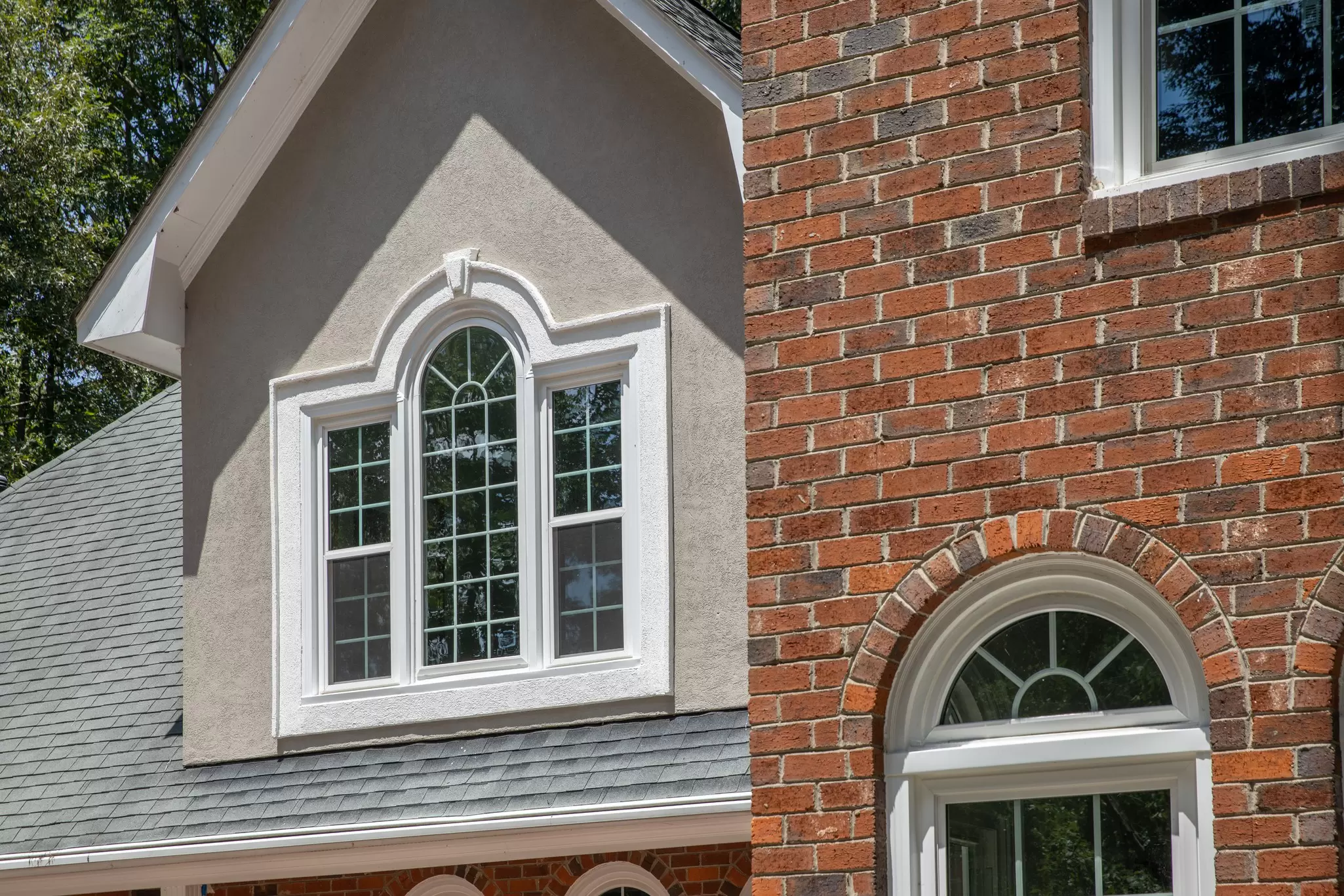
If you’re optimizing purely for energy efficiency, south-facing windows come out ahead overall. They offer the best balance of winter solar warmth and – with the right glass – manageable summer performance. But the truth is that the best direction depends on your climate, your home’s layout, and how well your windows are equipped to handle what the sun sends their way.
In Southern Mississippi, where cooling costs dominate and summers stretch long, managing solar heat gain on south- and west-facing windows is just as important as capturing winter warmth. North- and east-facing windows are naturally easier to manage in this climate, but they still benefit from energy-efficient glass to minimize heat loss and maximize year-round comfort.
Bottom line? No one direction is universally superior. Instead, every orientation has its advantages and its challenges, and the right windows can help you make the most of whichever direction you’re working with.
The best window styles for each direction
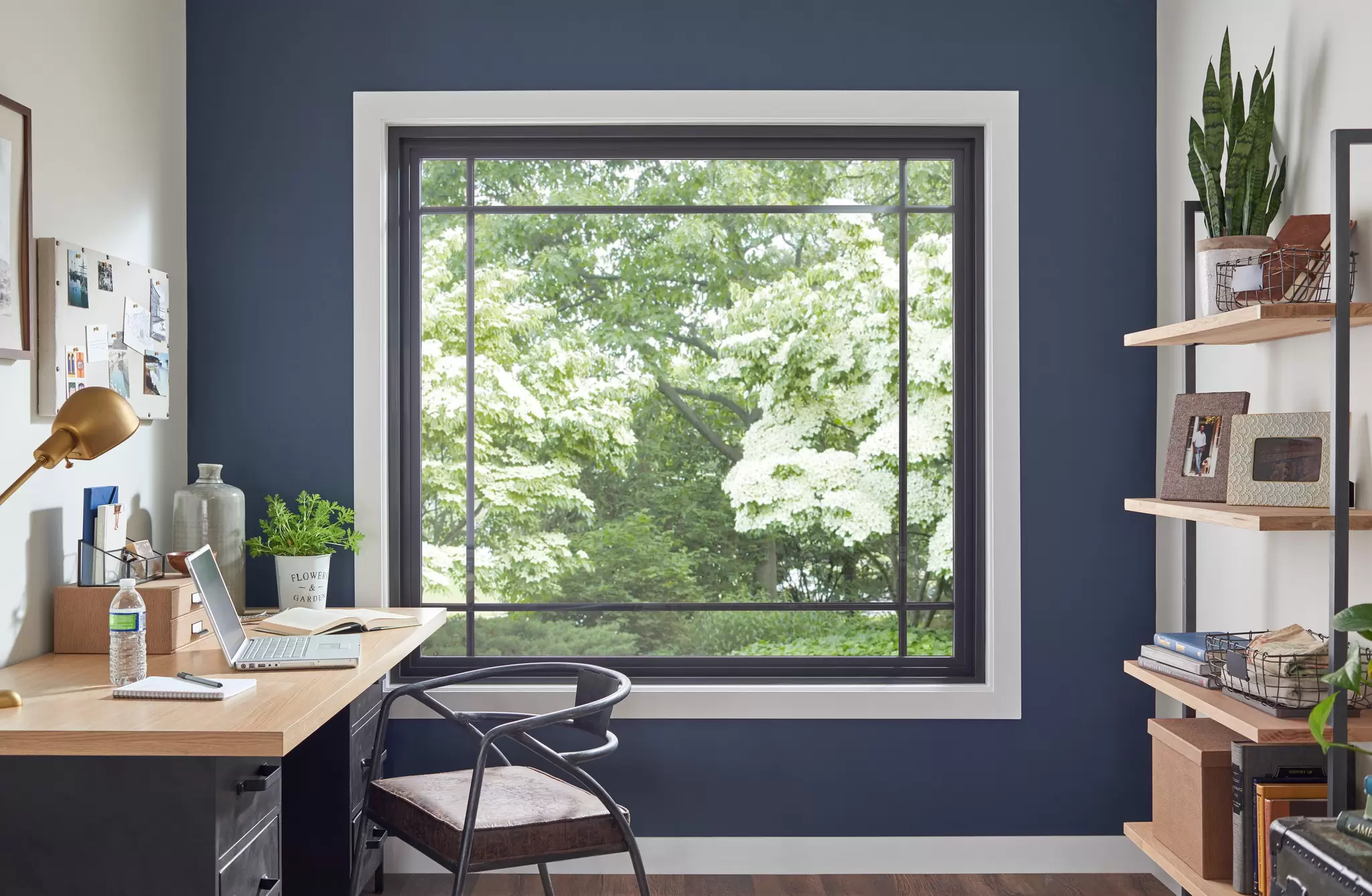
Window orientation is also worth thinking about when choosing your window style. Larger glass areas – say, picture windows or bay and bow windows – work very well on north-facing walls, where maximizing indirect light is the goal. On south-facing walls, casement and awning windows are excellent choices, offering tight seals when closed and full ventilation when open to give you finer temperature control as the seasons shift.
East-facing openings, on the other hand, are best with double-hung windows and sliding windows; these can handle morning ventilation easily without complicated operation. Meanwhile, west-facing windows benefit most from impact windows – which provide storm protection and meaningful heat reduction in one – or any style paired with high-performance Low-E glass to keep afternoon heat gain in check.
How energy-efficient windows help no matter which direction you face
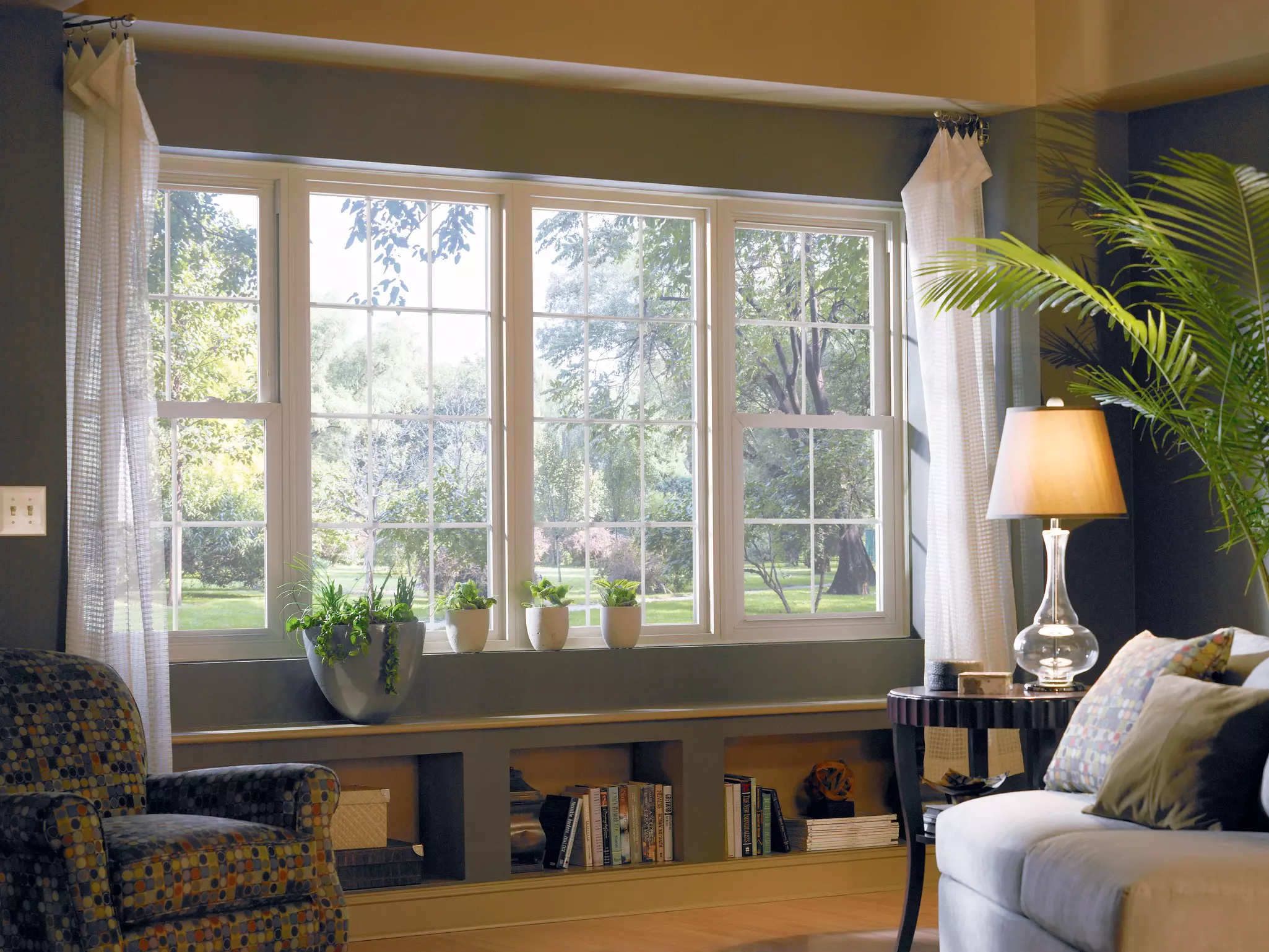
Regardless of which direction your windows face, modern replacement windows can significantly improve their performance. Think of energy-efficient glass technology as the great window equalizer – it doesn’t change where the sun comes from, but it changes how much of that sun’s heat actually makes it into your home. For example:
- Low-E coatings reflect infrared heat while allowing natural light through, reducing solar heat gain in summer and retaining interior warmth in cooler months
- Double-pane insulated glass with argon gas fills creates a thermal barrier that slows heat transfer in both directions
- Quality vinyl window frames eliminate the heat conduction that undermines even good glass in older aluminum or deteriorated frames
Together, these features mean that whether your home faces east, west, north, or south, the right replacement windows make every room more comfortable and every season more manageable.
Make the most of your windows with Window World of Southern Mississippi
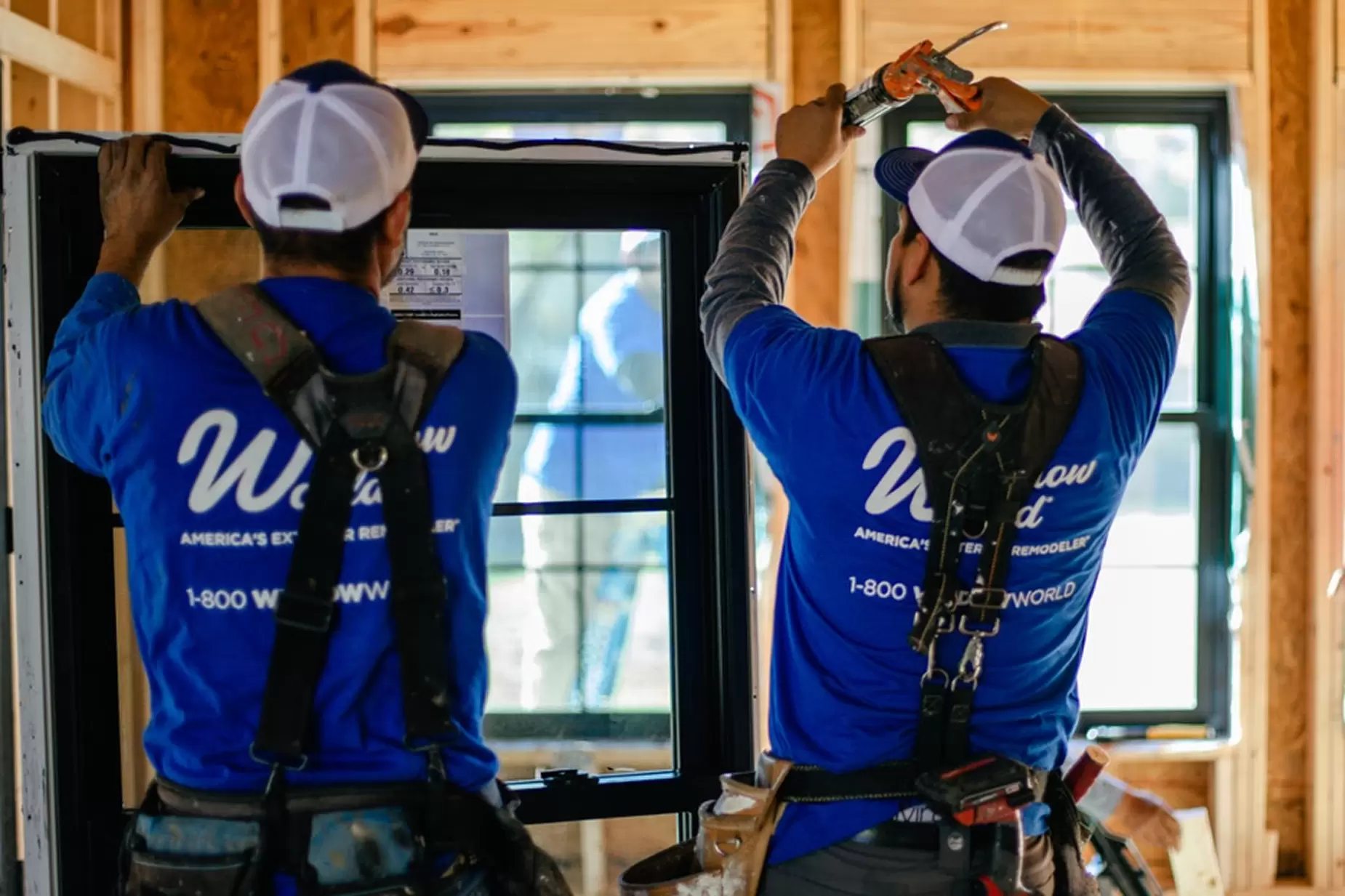
No matter which direction your windows face, the right products and the right installation make all the difference. At Window World of Southern Mississippi, we help homeowners throughout Gulfport, Hattiesburg, Biloxi, and the surrounding communities find replacement windows built for the demands of coastal Mississippi living – energy-efficient, durable, and designed to perform in every season.
We offer free quotes at both of our locations with no pressure and no obligation. Give our Gulfport team a call at (228) 575-9700 or our Hattiesburg team at (601) 584-6889 to get started. We’d love to help you make the most of your home’s windows, whatever direction they happen to face.
Living in a hurricane-prone region like Gulfport, Mississippi, impact windows have probably come up in your conversations with your neighbors or family more than once. Maybe a home next door recently had them installed, or your insurance agent mentioned them, or you’ve simply started wondering whether your current windows would hold up in a serious storm. So it’s natural to wonder whether impact windows are the right fit for your home.
Impact-resistant windows are a significant investment, and like any significant investment, they deserve an objective look before you commit. What do impact windows actually cost? What drives the price up or down? And perhaps most importantly – are impact windows worth it in the long run?
Today, let’s walk through the answers to these questions and a few extras.
What are impact windows?
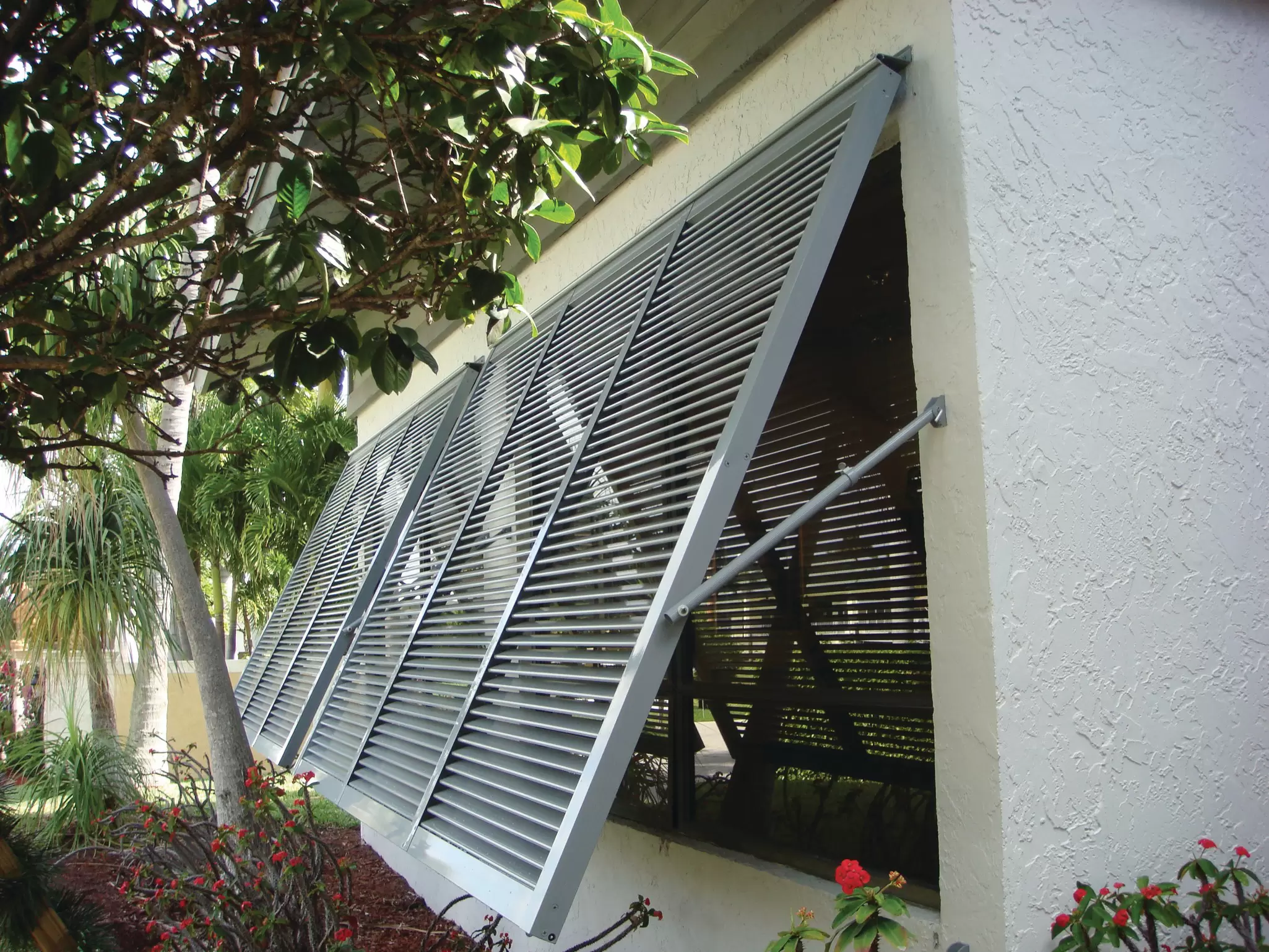
Impact windows are specially engineered windows designed to withstand the force of hurricane-strength winds, flying debris, and the intense pressure changes that accompany major storms.
Unlike standard windows, which can shatter dangerously when struck, impact-resistant windows are built with laminated glass: two layers of glass bonded together with a tough interlayer, typically made of polyvinyl butyral (PVB). When struck, this glass might crack, but the interlayer holds the pieces together, keeping the window intact and your home protected.
The frame matters just as much as the glass. Impact windows are designed with reinforced frames built to stay in place under extreme wind loads, preventing the kind of catastrophic opening that can allow a storm to pressurize and devastate a home’s interior.
Who should install impact windows?
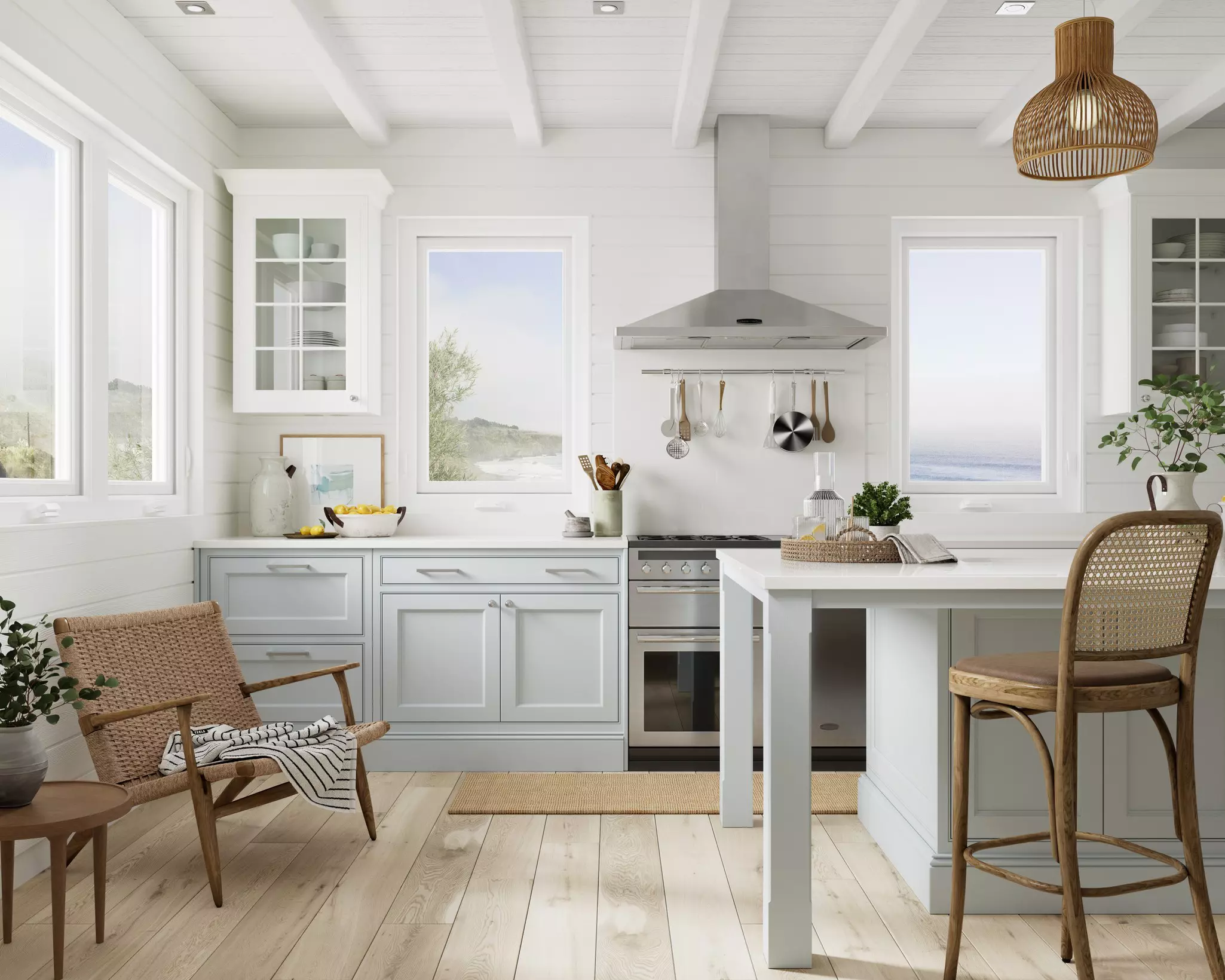
Who needs impact windows? Primarily, homeowners in coastal and hurricane-prone areas, like along the Gulf Coast, the Atlantic Coast, and anywhere subject to high-wind building codes. In many of these regions, impact windows aren’t just a smart choice, either; they’re actually required by local building codes for new construction and major renovations.
But even where they aren’t required, the protection they offer makes them worth serious consideration for anyone who has weathered a severe storm season here in Southern Mississippi.
How much do impact windows cost?

Let’s take a look at the numbers.
Impact window prices typically fall between $700 and $2,875 per window installed, with labor alone running $100 to $300 per window for standard installations. For a whole-home project, that adds up fast – if we take this average, replacing the average home’s 22 windows with impact-rated glass runs between $15,400 and $63,250, depending on size, style, and frame material.
The wide range across these estimates is because no two projects are exactly alike. Window size, frame material, glass package, and installation complexity all play a meaningful role in the final number, and we’ll break each of those down in the next section. For the most accurate picture of what your specific project will cost, a free in-home quote from your local Window World is always the best starting point.
What factors affect the cost of impact windows?
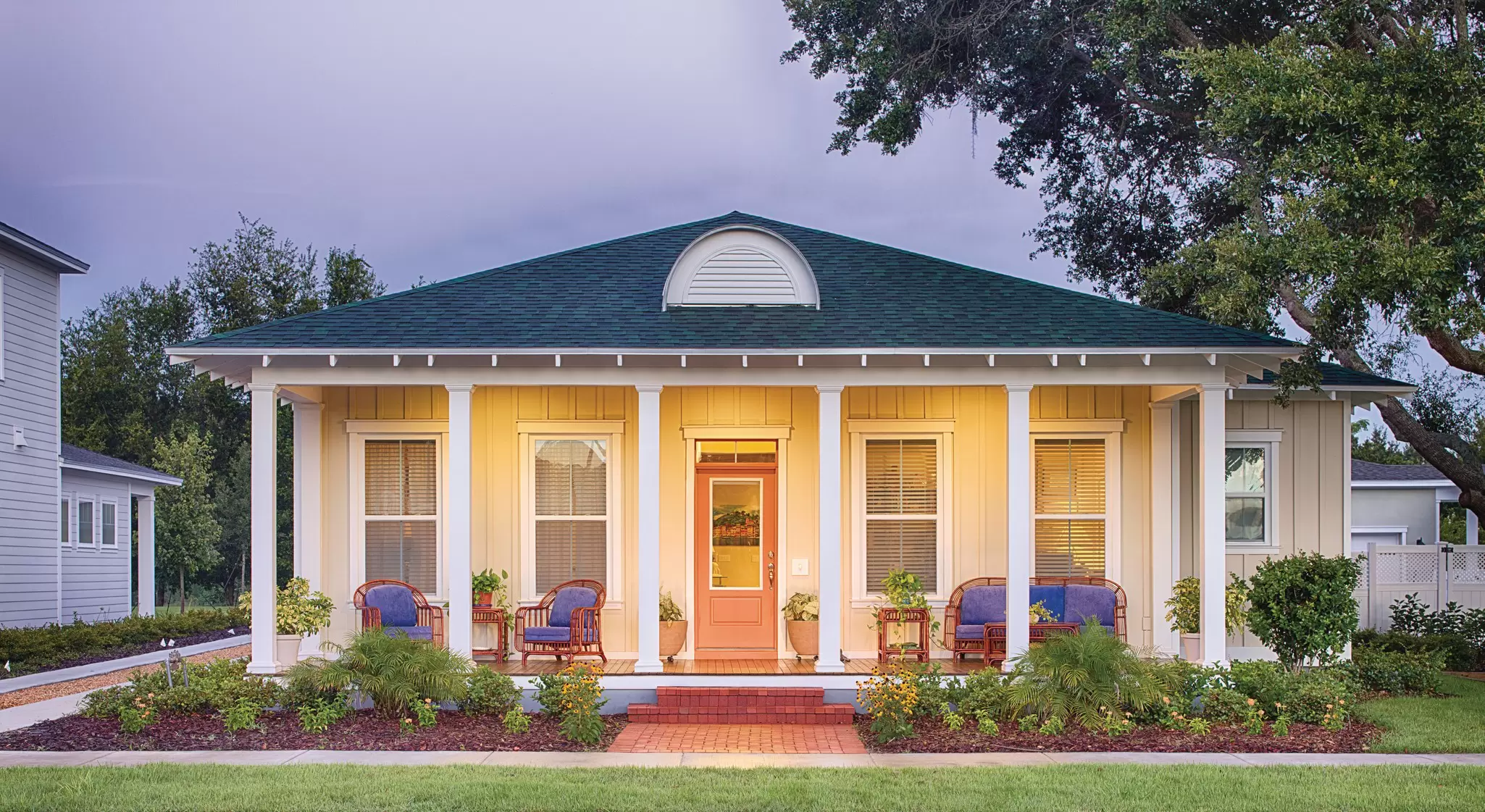
Since every impact window replacement project is different, several variables will influence what you ultimately pay. Here’s a deeper dive into what affects impact window costs.
Impact window size
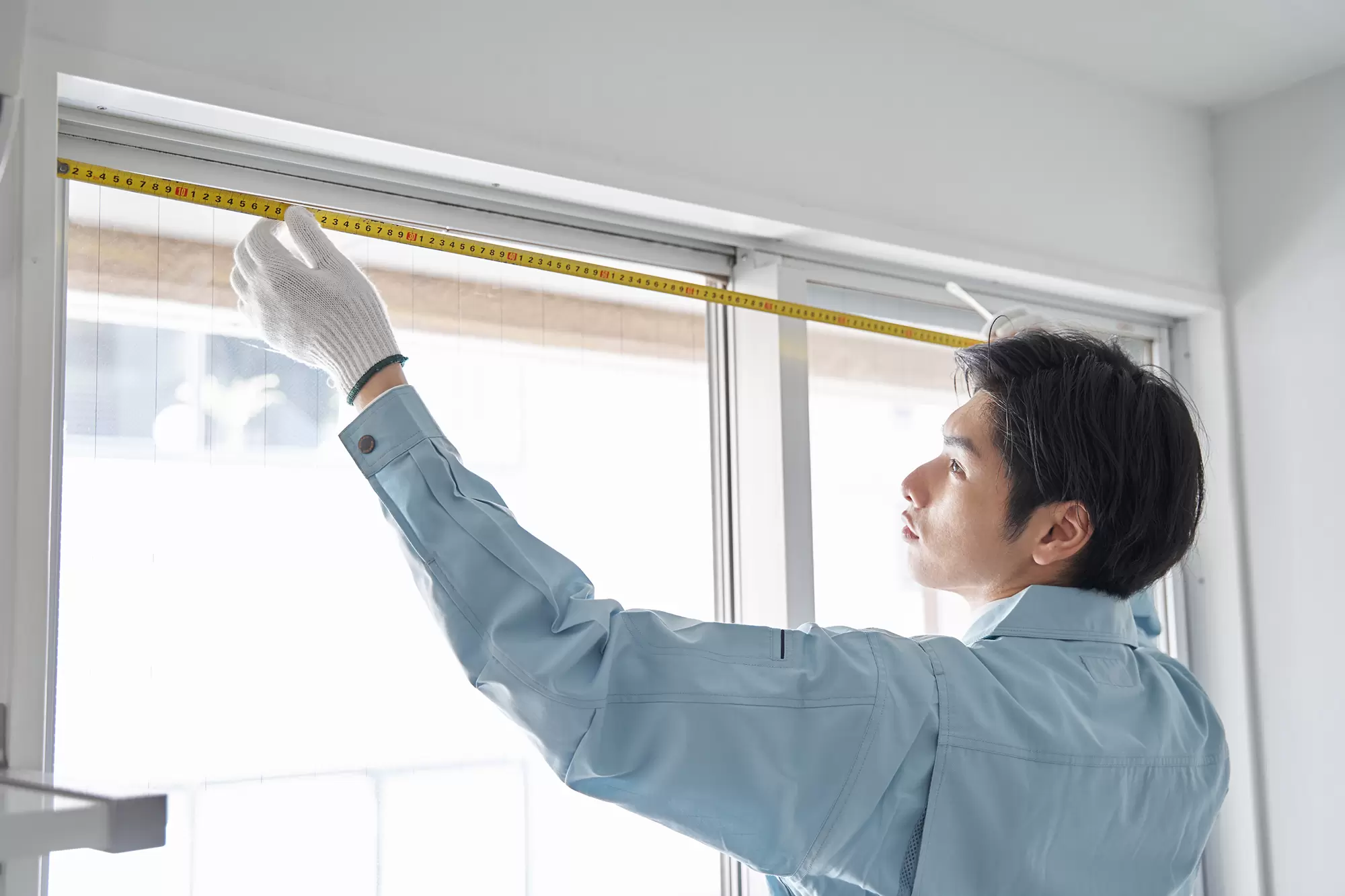
This one is straightforward: Larger windows require more material and more labor to install, which means a higher price tag. In the estimate above, small windows average $700 to $800, while large sliding glass doors can range from $8,000 to $9,000. In other words, a standard single-hung bedroom window will cost considerably less than a large picture window or a wide sliding door opening. If your home has oversized or architecturally unique openings, expect those to carry a premium above the average cost of smaller, regularly shaped windows.
Frame material
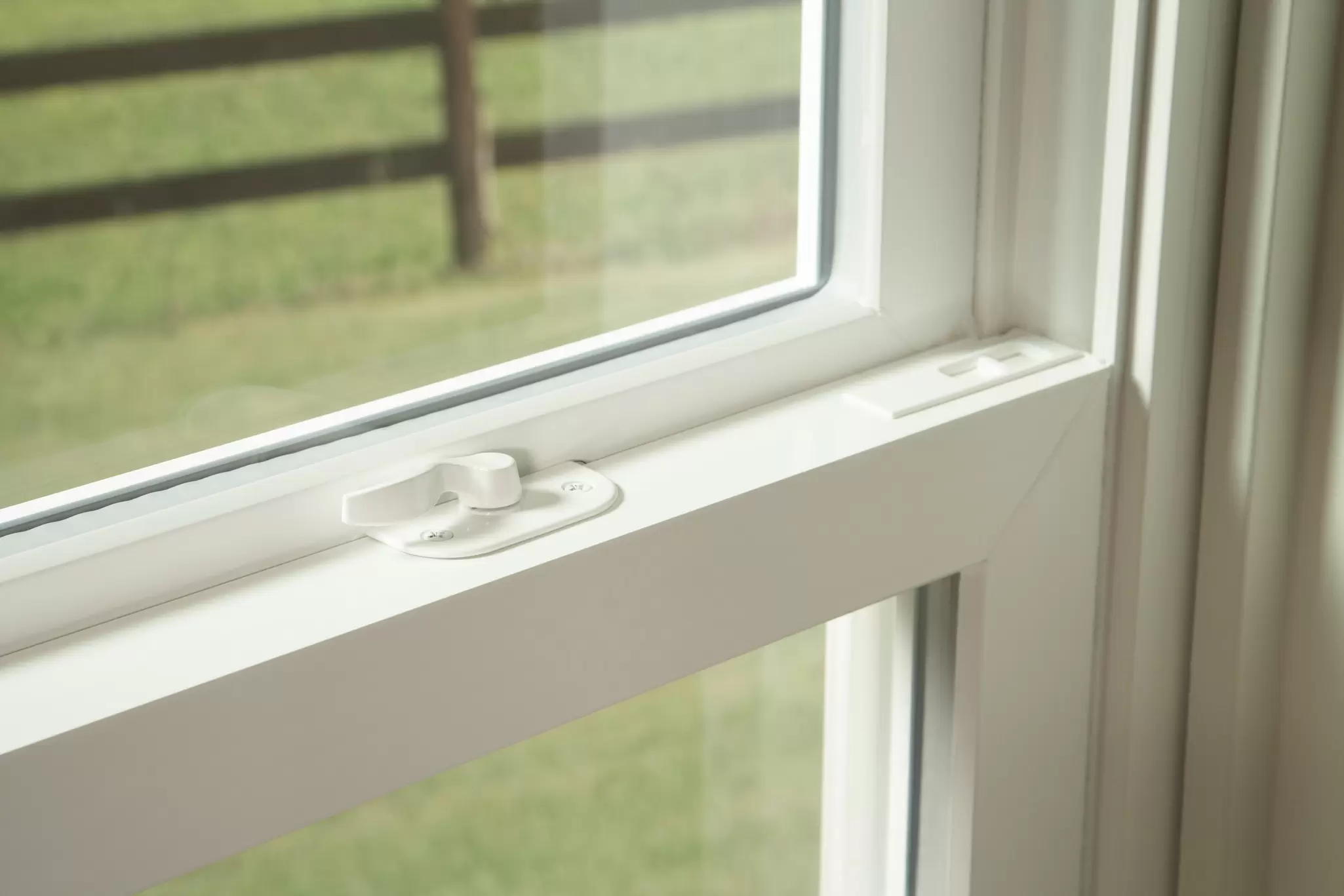
The material your window frames are made from has a meaningful impact on both price and performance, too. Vinyl frames are the most affordable option, ranging from $700 to $2,500, while fiberglass frames run $850 to $2,875.
Vinyl offers excellent energy efficiency, low maintenance, and strong resistance to moisture and corrosion, making it a popular and practical choice for coastal homeowners. On the other hand, aluminum-frame exteriors offer superior strength and a slimmer profile that some homeowners prefer aesthetically, but they tend to come at a higher price point. The right choice depends on your budget, your home’s style, and your specific performance priorities.
Glass package
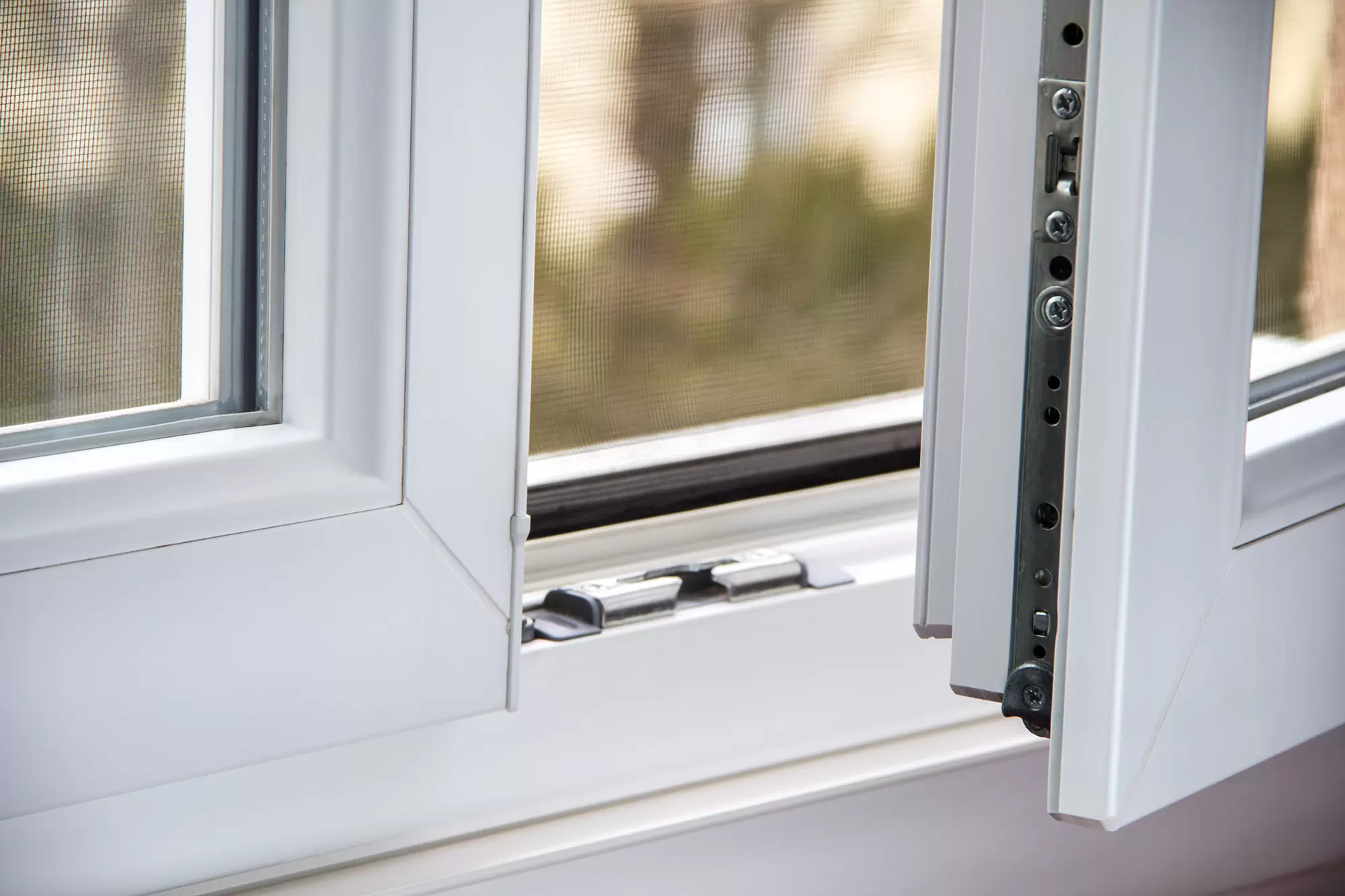
Not all impact glass is created equal. The baseline is laminated glass, which provides the core impact resistance that defines these windows. From there, additional features like double-pane construction, Low-E coatings, and argon gas fills add to the cost but also meaningfully improve energy efficiency.
In the heat and humidity of Southern Mississippi, a Low-E coating that reduces solar heat gain can make a noticeable difference in your cooling costs year-round, so the added expense often pays for itself over time.
Window style
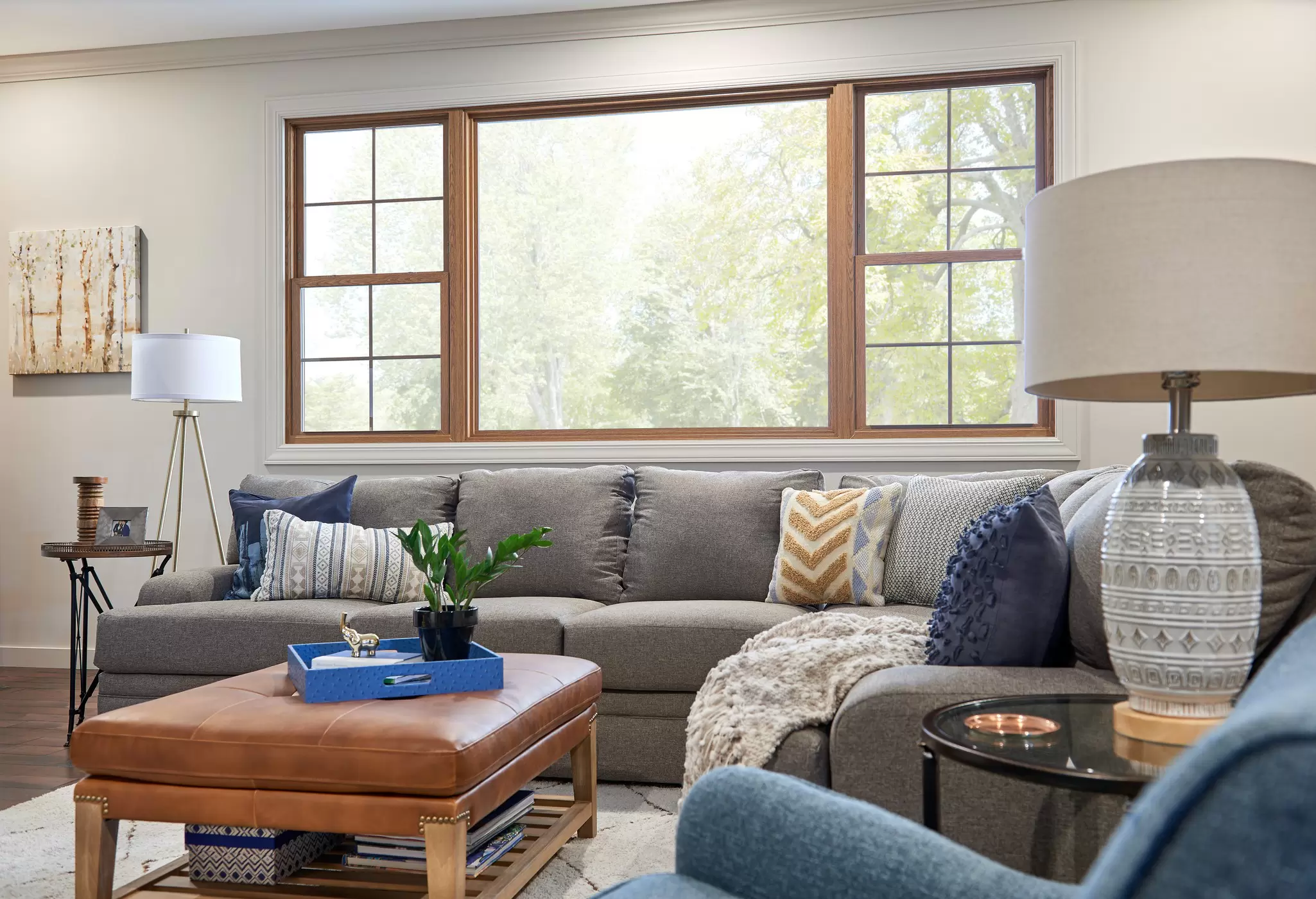
The type of window you’re replacing also affects the cost to install impact windows.
- Single-hung impact windows are typically the most straightforward and affordable option.
- Casement windows, which require operating hardware, cost a bit more.
- Picture windows, which feature fixed, non-operable panes, vary widely depending on size.
- Specialty shapes like architectural or custom geometric windows carry the highest price point due to their complexity.
Choosing the right style for each opening is one area where working with an experienced installer can help you balance performance, appearance, and budget effectively.
Installation complexity
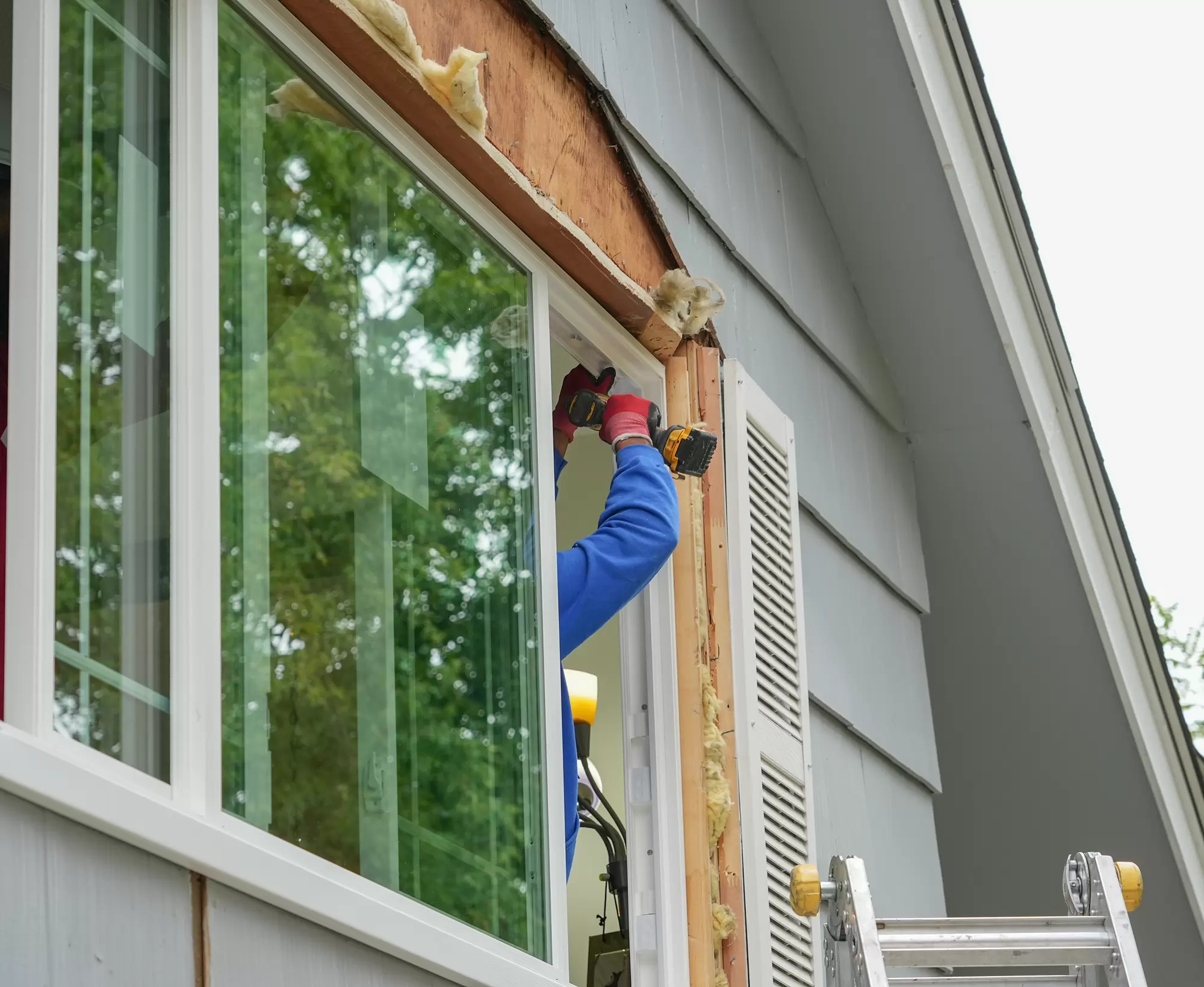
Beyond the windows themselves, installation costs are shaped by factors like the number of windows being replaced, the accessibility of each opening, the condition of existing frames, and local building code requirements. Replacing many windows at once often reduces the per-window installation cost, since the crew is already mobilized and working efficiently across the full project.
Cost of impact windows vs. regular windows

It’s natural to look at impact window pricing and compare it to what you’d pay for standard replacement windows. A regular window costs approximately $300 to $700 per window installed: much less than the $700 to $2,875 range for impact-rated alternatives.
But that comparison only tells part of the story. Regular windows are not designed to withstand hurricane-force winds or flying debris. In a serious storm, a standard window that fails can lead to catastrophic interior damage, including:
- Blown-out walls
- Destroyed belongings
- Structural compromise
- Serious safety risks
The cost of that kind of damage vastly exceeds the difference in price between impact and non-impact windows. Think of the premium you pay for impact windows less as an upgrade cost and more as what it actually is: the cost of real, lasting protection.
Are impact windows worth the investment?
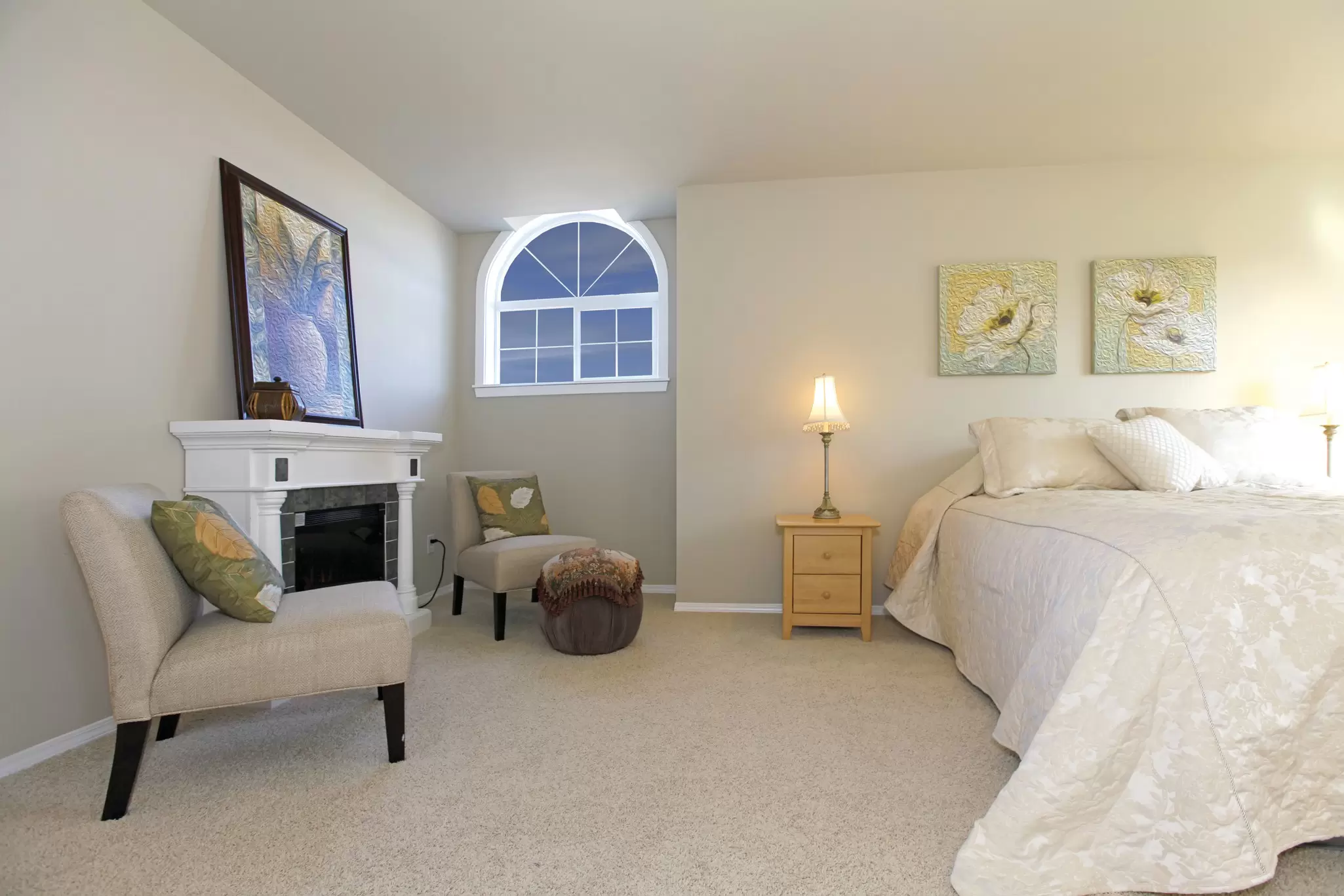
For homeowners in hurricane-prone areas like Southern Mississippi, installing impact windows is almost always a better option. Here’s what they provide as advantages:
- Storm protection and peace of mind. The primary reason to install impact windows is the one that matters most: When a major storm hits, your home and everyone in it are significantly better protected. Impact-resistant windows are designed to stay intact under conditions that would destroy standard glass, keeping your home’s envelope sealed and reducing the risk of catastrophic interior damage.
- Potential insurance discounts. Many homeowners’ insurance providers offer meaningful discounts for homes equipped with impact-rated windows and doors. Storm-rated windows can return an average of 80% of what you spend – and as high as 86% in hurricane hot spots – through a combination of energy savings, insurance discounts, and increased home value.
- Year-round energy efficiency. Impact windows aren’t only for storm season. Their double-pane construction, laminated glass, and tight seals also make them genuinely energy-efficient windows that reduce heat gain in summer, minimize heat loss in cooler months, and keep conditioned air inside your home. Lower energy bills are a benefit you’ll feel every single month, not just when a storm is on the radar.
- Added home value. Homes equipped with impact windows carry a real advantage in coastal and storm-prone real estate markets, where buyers are well aware of what it costs to have them installed. They’re a feature that prospective buyers actively look for, and they can meaningfully increase your home’s resale value and appeal.
- No need for boarding up windows. One often-overlooked benefit is what impact windows replace: the need to install and remove plywood boards every time a storm threatens your home. With the added security of impact windows and storm shutters in place, your home is always protected – no last-minute preparation required when a hurricane watch is issued and time is short.
Get impact windows installed with Window World of Southern Mississippi
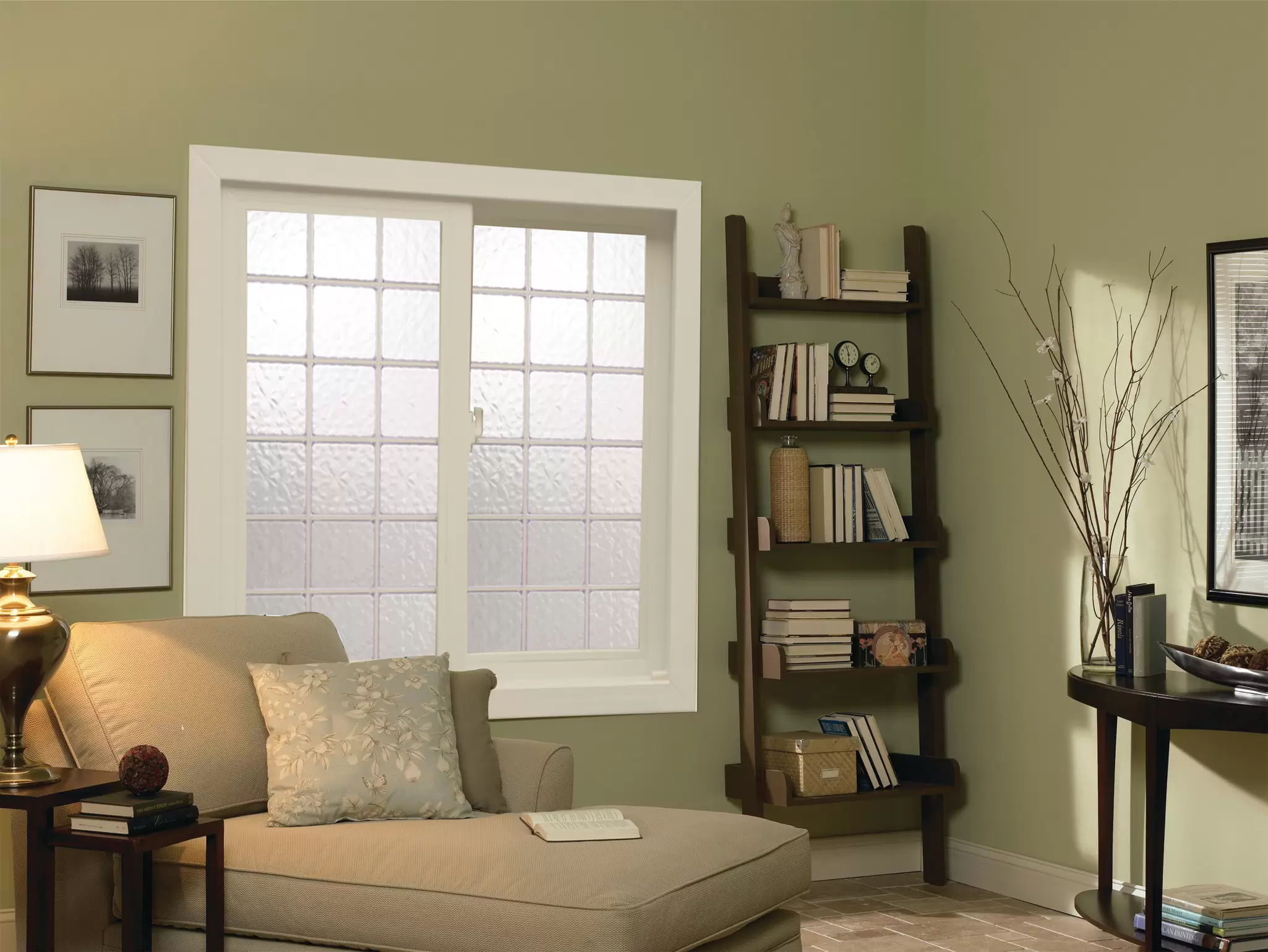
Impact windows are one of the most valuable investments a Southern Mississippi homeowner can make, and choosing the right product and installation team makes all the difference in the results you get.
At Window World of Southern Mississippi, we offer a full range of impact-rated windows and doors designed to meet the demands of hurricane-prone coastal climates without sacrificing style, comfort, or energy efficiency. Our impact windows are built to code, professionally installed, and backed by the quality and warranty coverage that Window World is known for nationwide.
Contact Window World of Southern Mississippi today to request a free quote or schedule your free in-home consultation. You’ll get an accurate, no-obligation quote on impact windows built for where you live.
If you’ve noticed dark streaks, fuzzy patches, or a general griminess creeping across your home’s exterior, we’ve got bad news: It’s probably mold.
Mold and mildew on vinyl siding is one of the most common complaints homeowners have about their home’s exterior – and in Southern Mississippi, where humidity runs high for most of the year and summer rainstorms are a frequent occurrence, it can feel like a losing battle if you don’t know what you’re dealing with. The good news, though, is that mold on vinyl siding is absolutely manageable.
With the right approach, you can clean it up, slow its return, and in some cases eliminate the conditions that cause it altogether. Let’s walk through everything you need to know, from why it happens to how to handle it, and when it might be time to think about a premium upgrade with replacement siding.
Why does mold grow on vinyl siding?
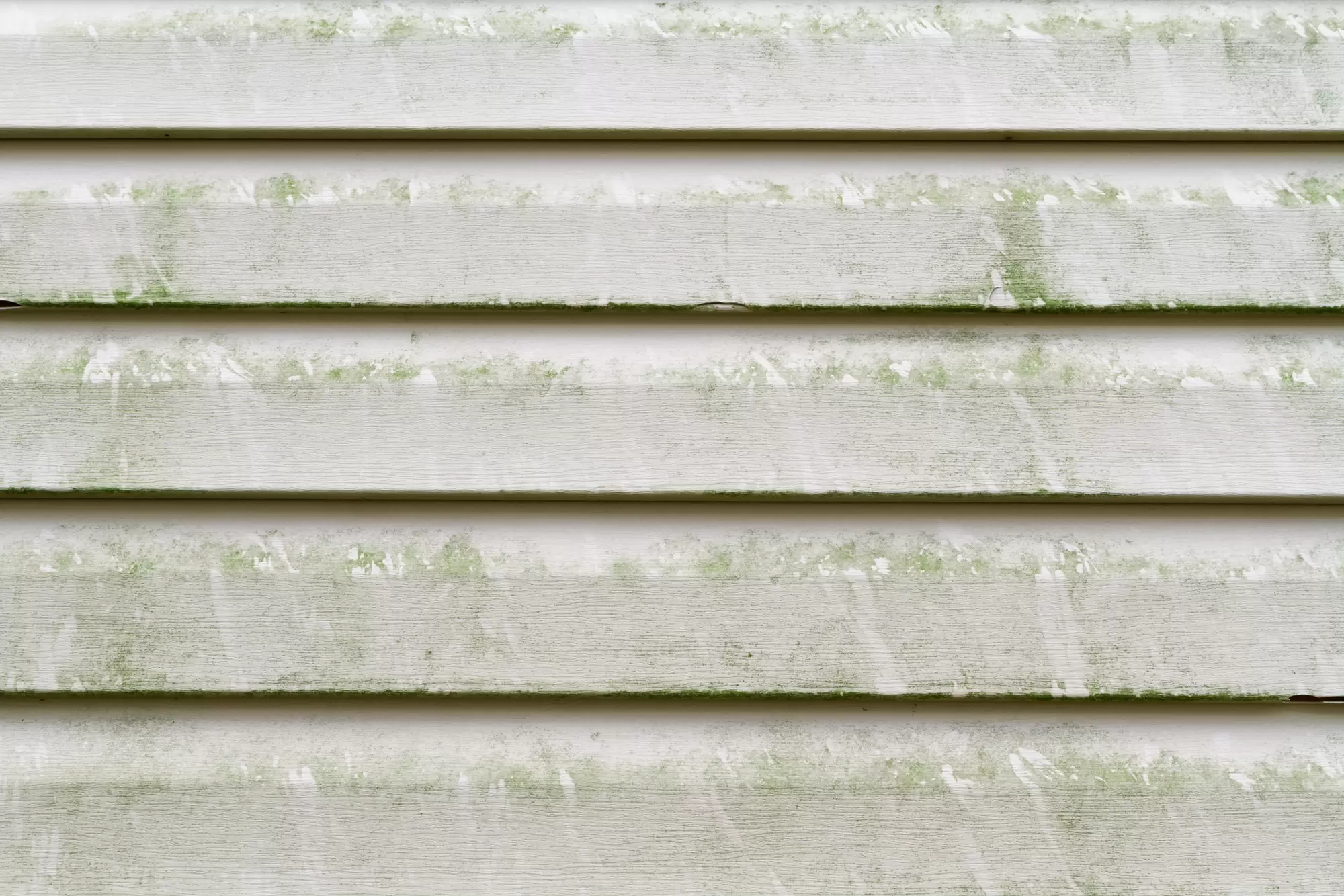
Vinyl siding has a well-earned reputation for being low-maintenance, but “low maintenance” doesn’t mean “maintenance-free.” Mold and mildew are opportunistic – they grow wherever conditions allow, and your home’s exterior can offer exactly what they need.
Mold spores are present virtually everywhere outdoors. They’re carried by wind and water, and they land on exterior surfaces constantly. Most of the time, they don’t amount to much. But when moisture lingers on your siding – say, from rain, sprinklers, morning dew, or poor drainage – and organic material like dirt, pollen, or algae is present as a food source, mold grows. Shade accelerates the problem, since shaded sections of siding dry out more slowly and stay damp longer than sun-exposed areas.
Southern Mississippi’s climate is about as favorable to mold growth as it gets. The Gulf Coast’s warm, wet air means humidity rarely lets up, even between rainstorms. That persistent moisture gives mold spores exactly the environment they need to take hold and spread – and it means siding that might stay clean for years in a drier climate can develop mold growth here in a matter of months without regular attention.
Is mold on siding dangerous?
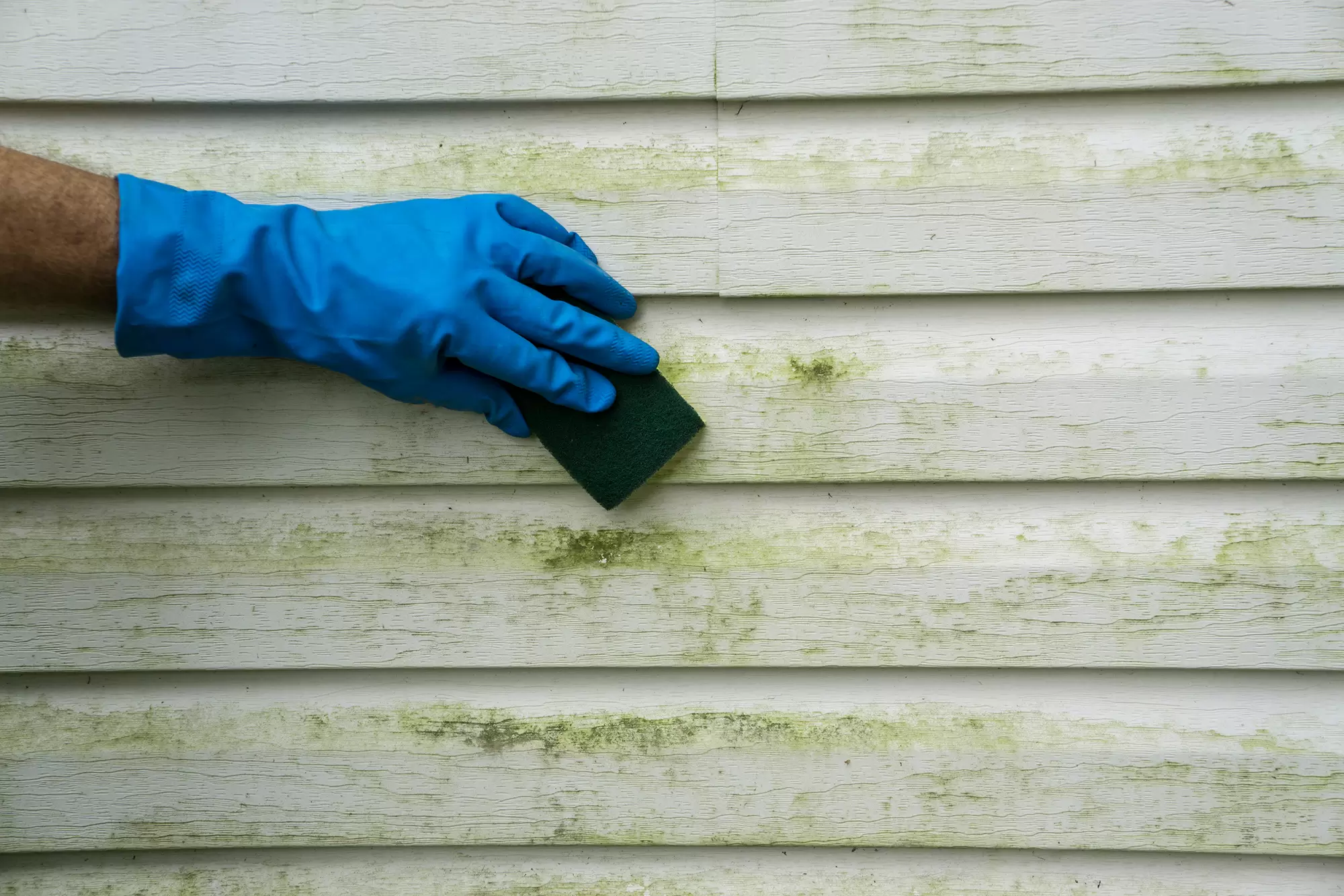
Exterior mold on your siding is generally less immediately dangerous than mold growing inside your home, but that doesn’t mean it should be ignored.
From a health standpoint, large concentrations of outdoor mold can affect air quality around your home’s entry points – windows, exterior doors, and vents – and may aggravate allergies or respiratory sensitivities, particularly in children, the elderly, or anyone with asthma. If mold is growing heavily near areas where outdoor air enters your home, it’s worth addressing promptly.
From a structural standpoint, mold on vinyl siding is usually a surface issue rather than a sign of deeper damage. But it can be a warning sign. Persistent mold growth, especially in the same spots year after year, sometimes indicates that moisture is getting behind the siding rather than just sitting on its surface. In a climate like Southern Mississippi’s, where rainfall is heavy and humidity is relentless, that kind of moisture intrusion can affect the sheathing and framing beneath your siding faster than it might in drier parts of the country.
And then there’s curb appeal. Even when mold isn’t a structural threat, it makes your home look neglected and can affect your property’s perceived value. A clean, well-maintained exterior says something about how a home is cared for – and mold-covered siding says the wrong thing.
How to remove mold from vinyl siding
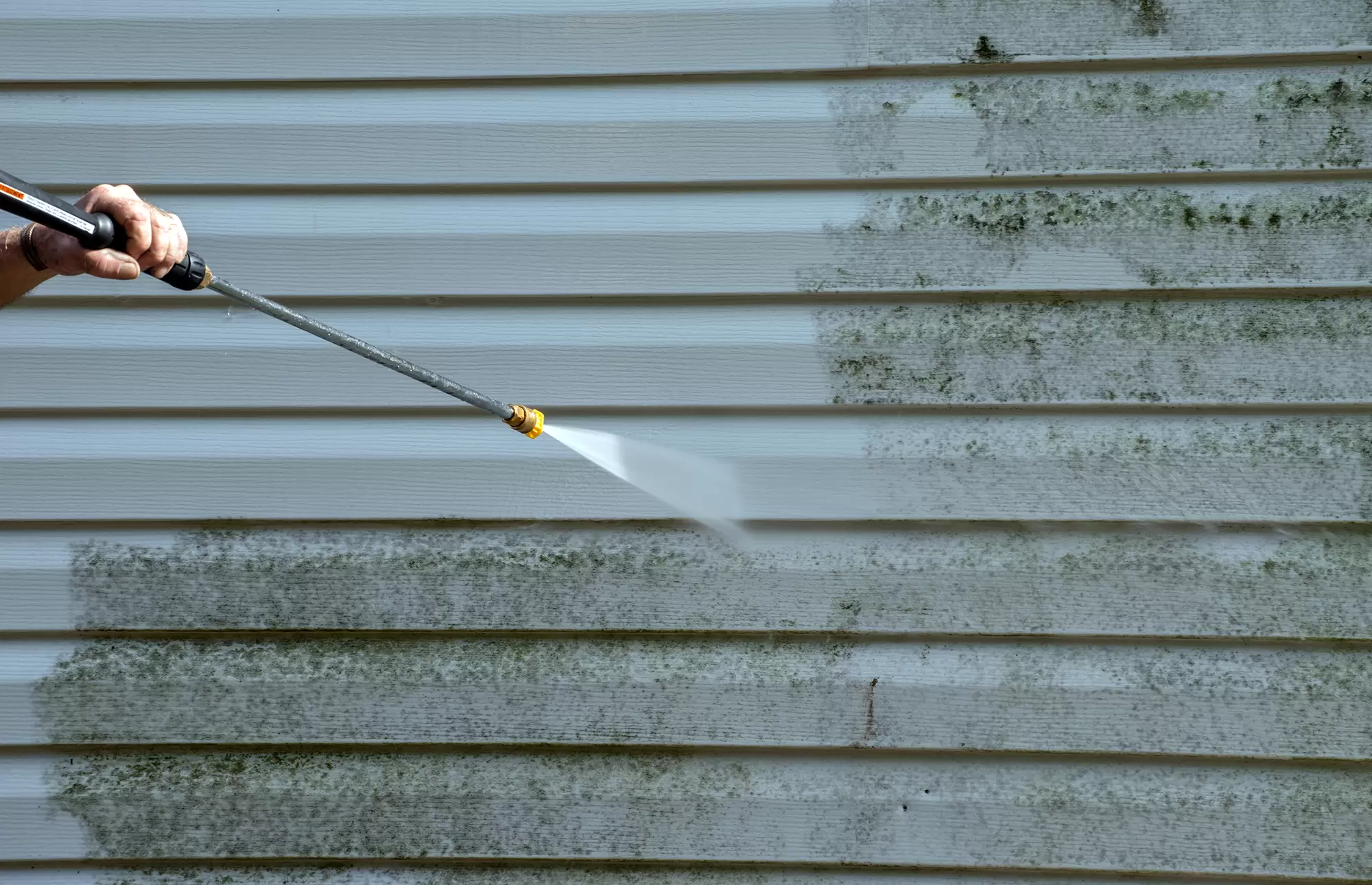
Removing mold from vinyl siding is a manageable DIY project in most cases. The key is using the right materials, working methodically, and being gentle enough with the siding that you clean it without causing damage.
Before you get started, gather your supplies:
- A cleaning solution (see below)
- A soft-bristle brush or sponge – avoid anything abrasive
- A garden hose with a spray nozzle, or a pressure washer on a low setting
- A bucket
- Rubber gloves and eye protection
- A ladder, if needed for higher sections
Step 1: Prepare your cleaning solution

You don’t need harsh chemicals to clean mold from vinyl siding effectively. A simple DIY solution of one part white vinegar to two parts water works well for light mold and mildew. For heavier growth – which is common on Southern Mississippi homes that go a full season without cleaning – a mixture of one cup of oxygen bleach per gallon of warm water is more effective and gentler on landscaping than chlorine bleach.
If you prefer a commercial cleaner, look for products specifically formulated for vinyl siding – they’re widely available at hardware stores and are designed not to strip or discolor the material. Whatever you use, avoid oil-based cleaners, abrasive products, or anything containing organic solvents, as these can damage vinyl siding’s surface finish.
Step 2: Wet the siding and apply the solution
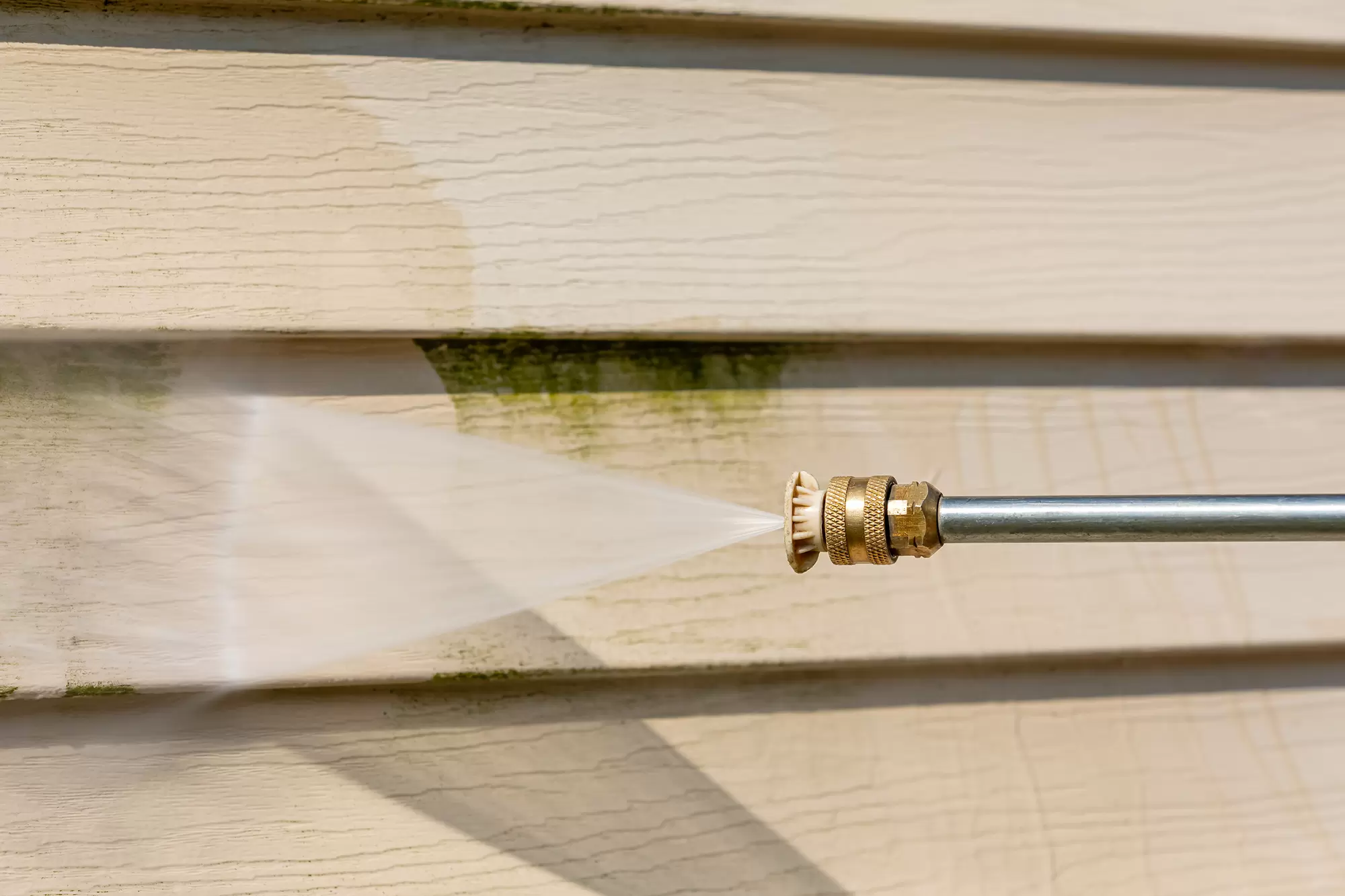
Start by rinsing the section of siding you’re working on with your garden hose. This loosens surface dirt and prepares the siding to absorb your cleaning solution more evenly.
Work in manageable sections – roughly a four-to-six-foot area at a time – rather than trying to treat the entire house at once. Apply your cleaning solution generously and let it sit for several minutes. This gives it time to break down the mold rather than just pushing it around. Start from the bottom of each section and work upward when applying, which helps prevent streaking from the solution running down dirty siding below.
Step 3: Scrub and rinse siding
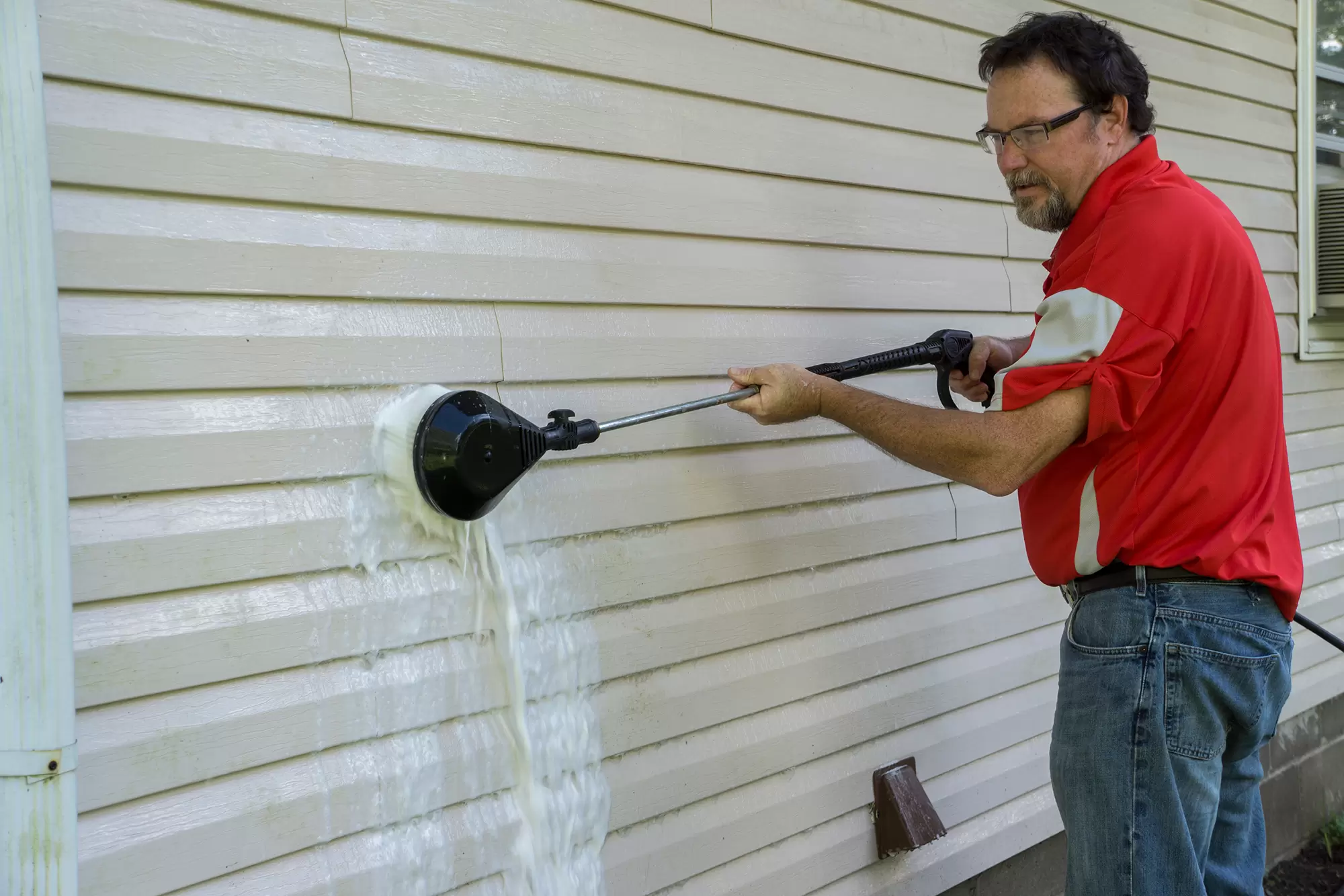
Using your soft-bristle brush, scrub the treated section in a gentle circular motion, paying extra attention to areas with visible mold growth. You don’t need to scrub aggressively; the cleaning solution does most of the heavy lifting.
Once you’ve scrubbed the section, rinse it thoroughly with your garden hose, working from top to bottom this time so runoff carries away from already-cleaned areas. If you’re using a pressure washer, keep it on a low setting – typically no more than 1,500 PSI – and hold the nozzle at least a foot from the siding surface. Too much pressure can force water behind the siding or damage the material itself.
Step 4: Inspect and repeat if necessary

After rinsing, step back and evaluate your work once the siding has dried. Light mold growth should be gone after a single pass. Heavier or more established growth may require a second application and scrub, particularly in deeply textured sections where mold can embed itself into the surface profile.
If you’re finding that certain areas simply aren’t coming clean despite repeated cleaning, take note; that may be a sign of more deeply set staining or deterioration that cleaning alone can’t fix.
How to keep mold off siding for good
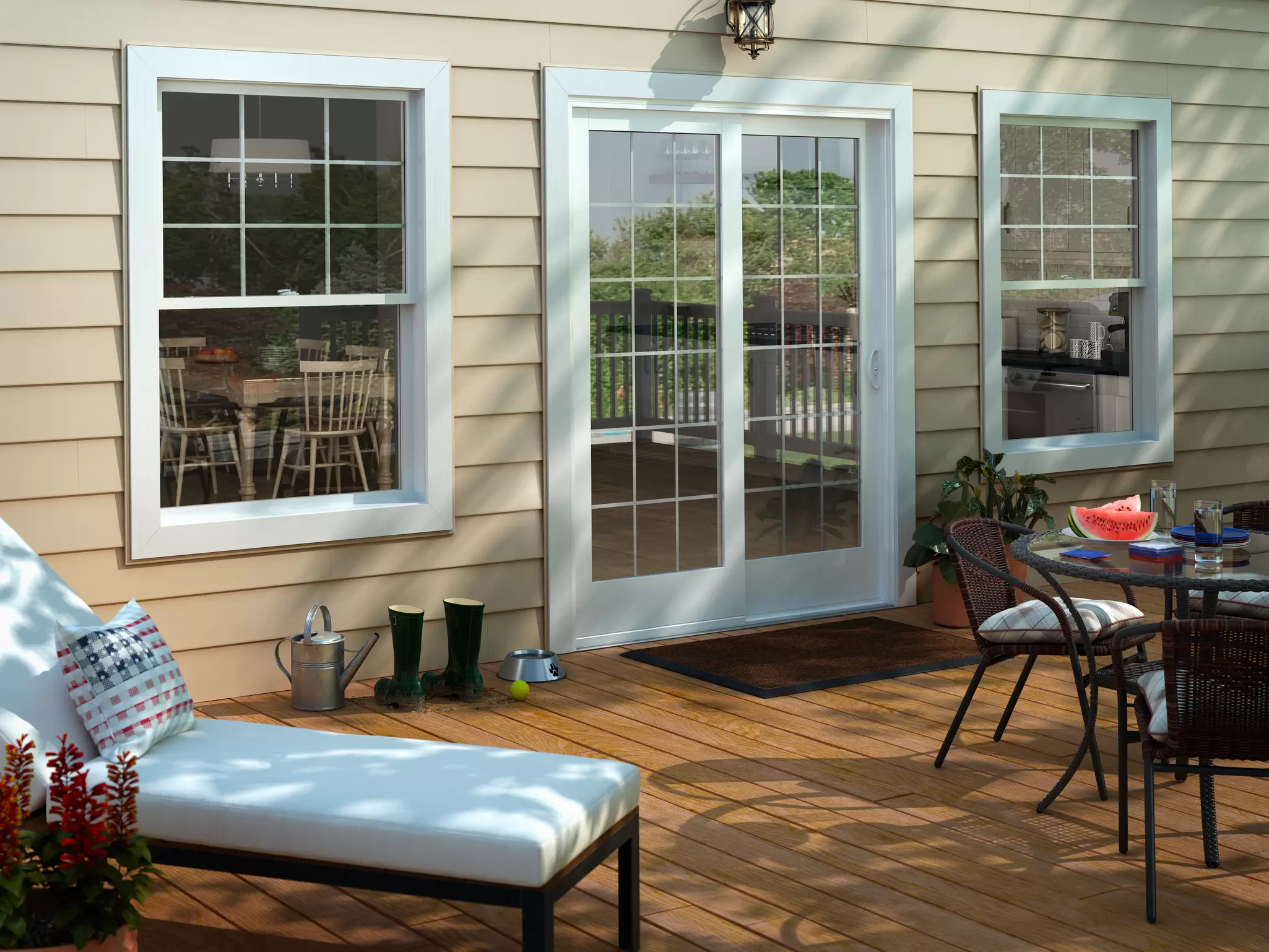
Cleaning mold off your siding is good for maintenance, but keeping it from coming back is the real win. In Southern Mississippi’s climate, mold prevention requires a little more diligence than it might elsewhere. But a few consistent habits can make a significant difference in how quickly mold returns and how much of it comes back.
- Rinse your siding regularly. A simple once-over with the garden hose a few times a year removes the dirt, pollen, and organic buildup that mold feeds on before it has a chance to take hold.
- Trim back vegetation. Shrubs, trees, and vines growing close to your home’s exterior trap moisture and block airflow against the siding surface.
- Improve drainage around your foundation. Water that pools near your home’s base and splashes up against the siding is one of the most common contributors to persistent mold growth on lower panels. Ensure your gutters are clean and directing water away from the house, and check that the ground slopes away from your foundation rather than toward it.
- Address moisture sources promptly. Leaky gutters, sprinkler systems aimed at the house, and downspouts that dump water too close to the exterior are all worth fixing. Reducing the amount of moisture that repeatedly contacts your siding is the single most effective long-term mold prevention strategy available.
When cleaning isn’t enough: signs you need new siding
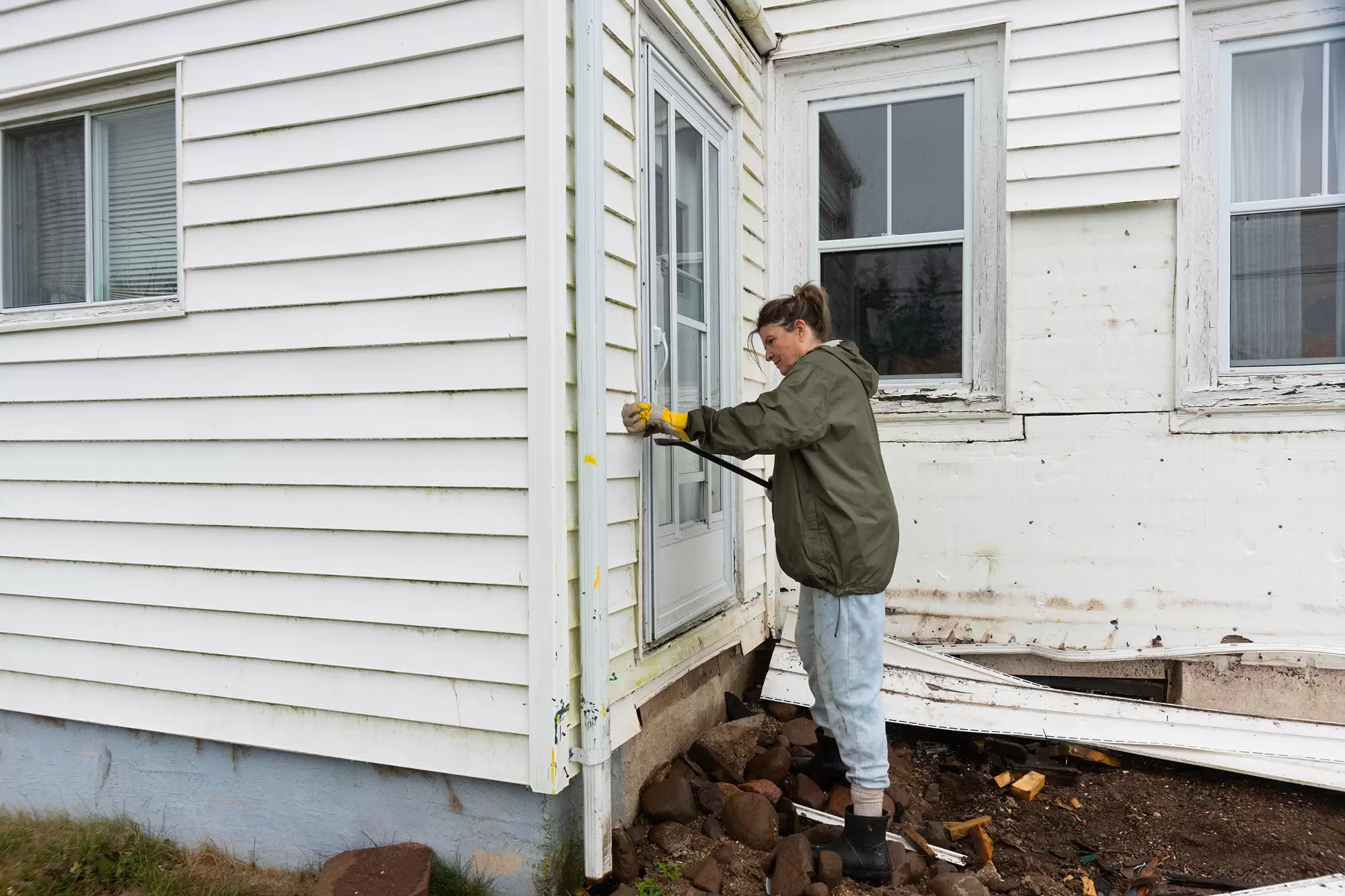
Mold removal is a practical solution for siding that’s fundamentally sound but just needs a good cleaning. But mold is sometimes a symptom of something deeper, so it’s good to know when cleaning has reached its limits.
Here are the signs that your siding may be beyond what a scrub brush can fix:
- Persistent staining that won’t come clean. If the same dark patches return within weeks of cleaning, or if staining remains even after thorough treatment, the surface of the siding itself may be permanently compromised. Older vinyl can become porous and discolored over time, making it increasingly hospitable to mold regrowth.
- Warping, buckling, or cracking. Physical deformation in your siding panels is a sign that moisture may have worked its way behind the siding. This kind of damage creates pockets where water collects, and mold can grow out of reach of surface cleaning.
- Widespread or rapidly recurring growth. Mold that covers large sections of your home’s exterior or returns very quickly after cleaning suggests that the underlying conditions – moisture intrusion, compromised seals, or failing materials – haven’t been addressed.
- Fading and chalking. Siding that has lost its color uniformly or developed a chalky texture has reached the end of its protective life. At that point, no amount of cleaning will restore either its appearance or its performance.
If any of these sound familiar, new siding deserves serious consideration.
How new vinyl siding prevents mold growth
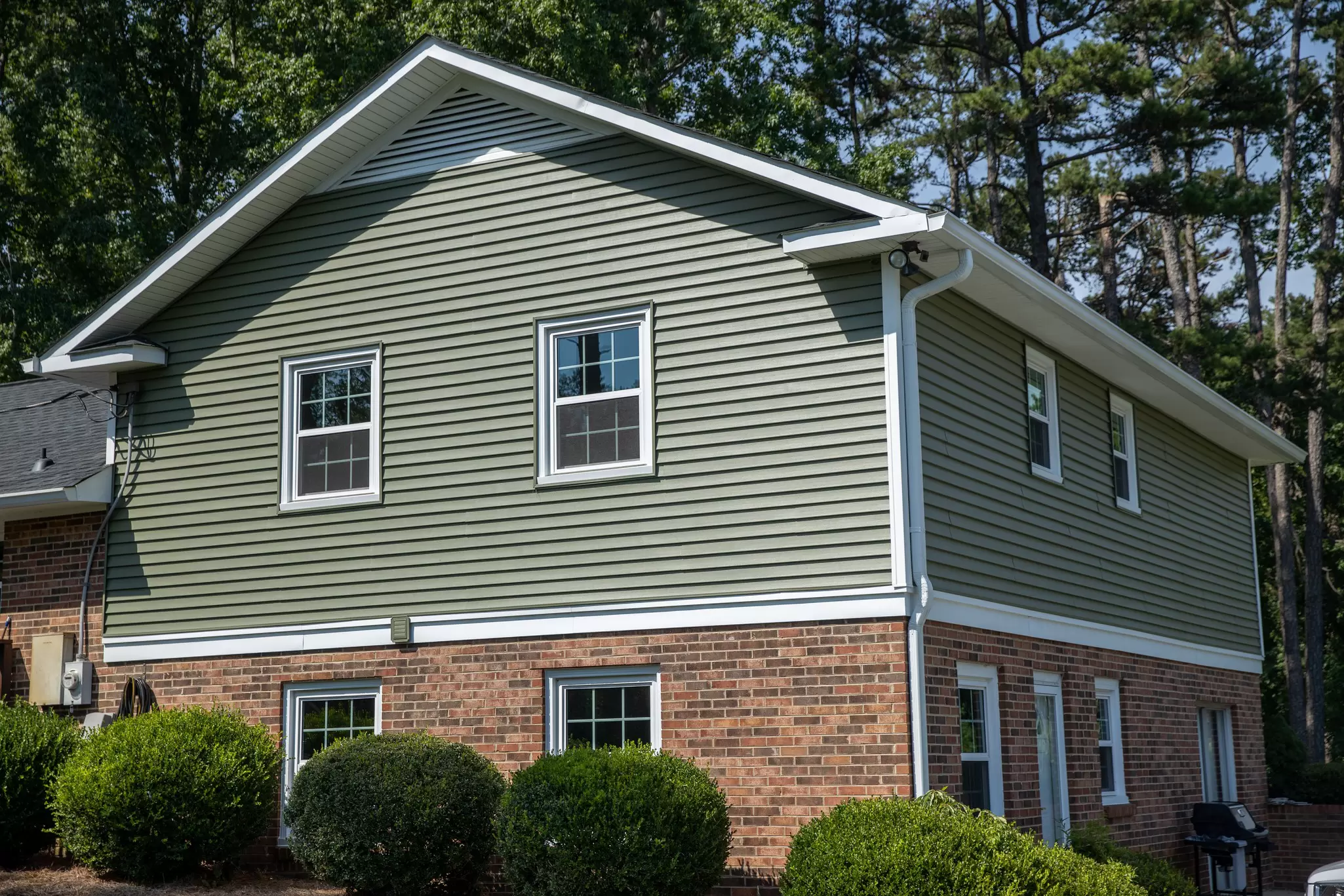
Modern vinyl siding outperforms older materials when it comes to resisting mold and mildew in the first place.
Why? Because today’s vinyl siding is engineered with smooth, non-porous surfaces that give mold and mildew very little to grab onto. Unlike wood siding, which absorbs moisture and provides organic material that actively feeds mold growth, quality vinyl siding sheds water efficiently and dries quickly.
Modern vinyl also maintains its surface integrity far longer than older formulations, meaning it doesn’t develop the micro-abrasions and porosity that allow older siding to harbor mold even after cleaning. Many of today’s products include built-in fade resistance and UV protection that keeps the surface looking fresh without the kind of surface degradation that accelerates mold growth on aging exteriors.
The result when combined with a professional installation is siding that looks better from day one for a very long time (assuming proper care, of course). For Southern Mississippi homeowners who have spent years fighting recurring mold on deteriorating siding, new vinyl can feel like a genuine fresh start for their homes.
Upgrade your home’s exterior with Window World of Southern Mississippi
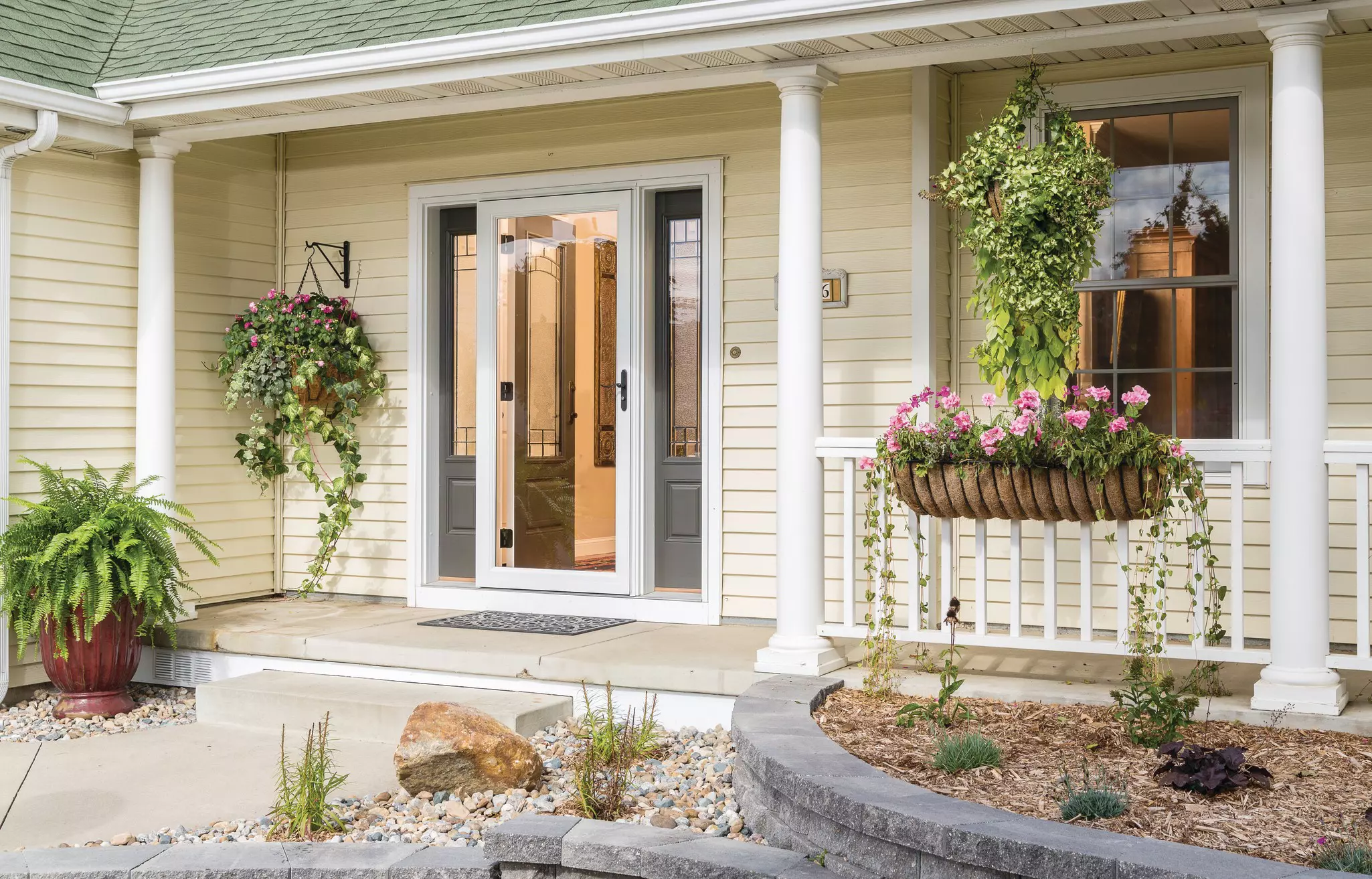
If mold keeps coming back no matter how often you clean, your siding may simply be telling you it’s time for a change. New siding installation from Window World is built to resist the moisture, humidity, and organic buildup that cause mold in the first place, giving your home a clean, protected exterior that holds up against Southern Mississippi’s demanding climate year after year with minimal upkeep.
At Window World of Southern Mississippi, our siding specialists will help you choose the right product for your home’s style and the unique demands of our region’s climate, and our professional installation team will make sure it’s fitted and sealed correctly from the start.
Contact Window World of Southern Mississippi today to schedule your free in-home consultation and find out how new vinyl siding can solve the mold problem for good.