Back to Blogs

Hurricane preparation along the Mississippi Gulf Coast involves more than stocking supplies and watching the forecast. Windows and glass doors deserve attention well before a storm develops because they can be vulnerable to high winds and wind-borne debris.
Preparing windows for a hurricane starts long before a major storm is approaching. The condition of your windows’ frames, locks, seals, glass, and surrounding trim can all provide clues about whether a window is ready for severe weather or needs professional attention.
From impact-resistant windows to storm protection shutters and panels, preparing your home ahead of time can make it more resilient when severe weather arrives. This guide covers the key areas to check and the protection options available for homes in Southern Mississippi and its surrounding communities.
Key Takeaways:
- Get your window components inspected thoroughly and early in the season for needed repairs or replacement.
- Impact windows are engineered for better performance against strong winds and blown debris.
- Storm protection panels and shutters are important to have accessible for quick installation over your windows and exterior doors.
- Make a checklist to run through before a hurricane arrives to ensure your home is protected for the worst.
Start hurricane prep with a window inspection
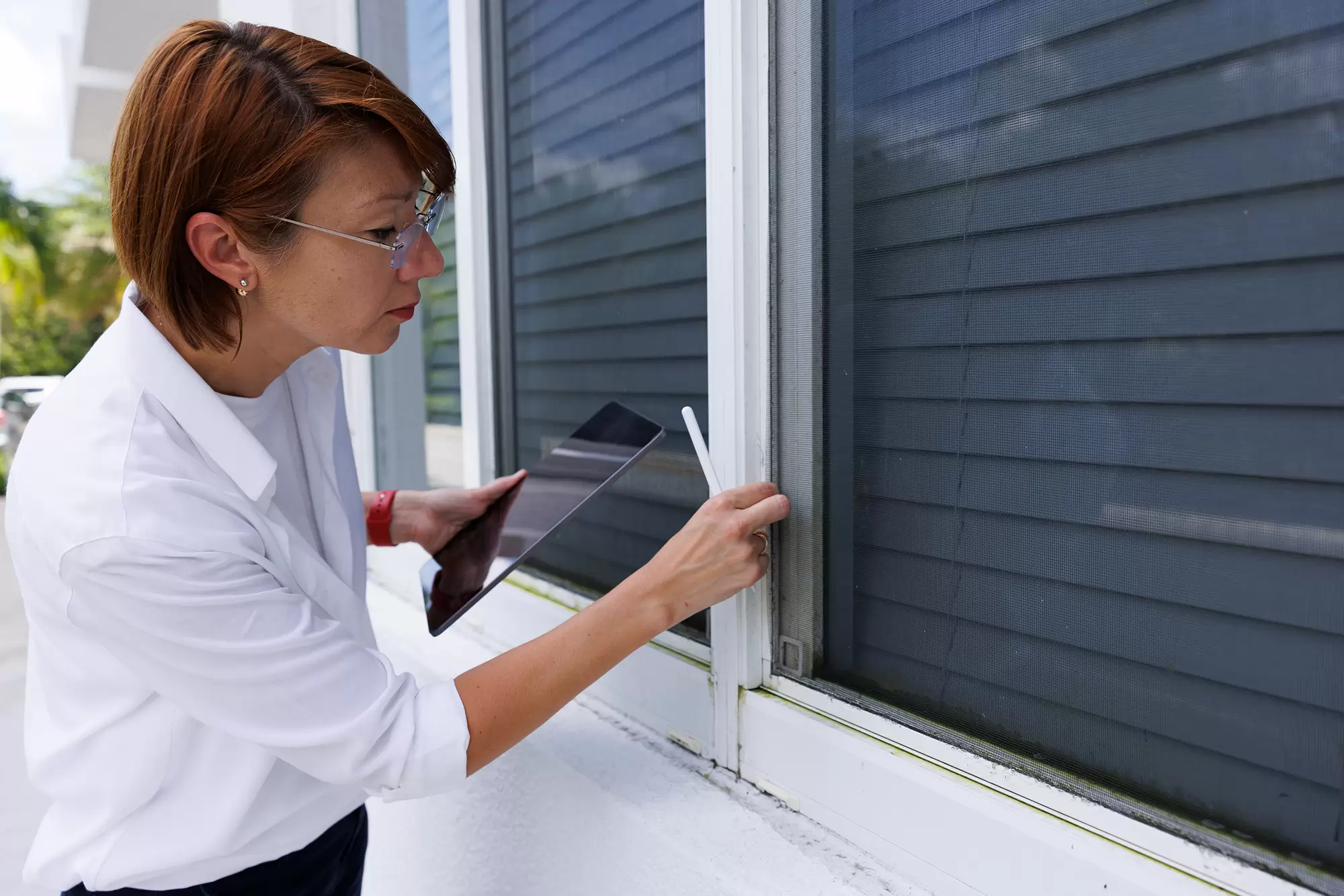
Storm preparation is easier when there’s time to address problems rather than discovering them as a hurricane approaches. A quick inspection of the glass, locks, frames, seals, and other components can help identify windows that may need repair or professional attention.
Check the glass for existing damage
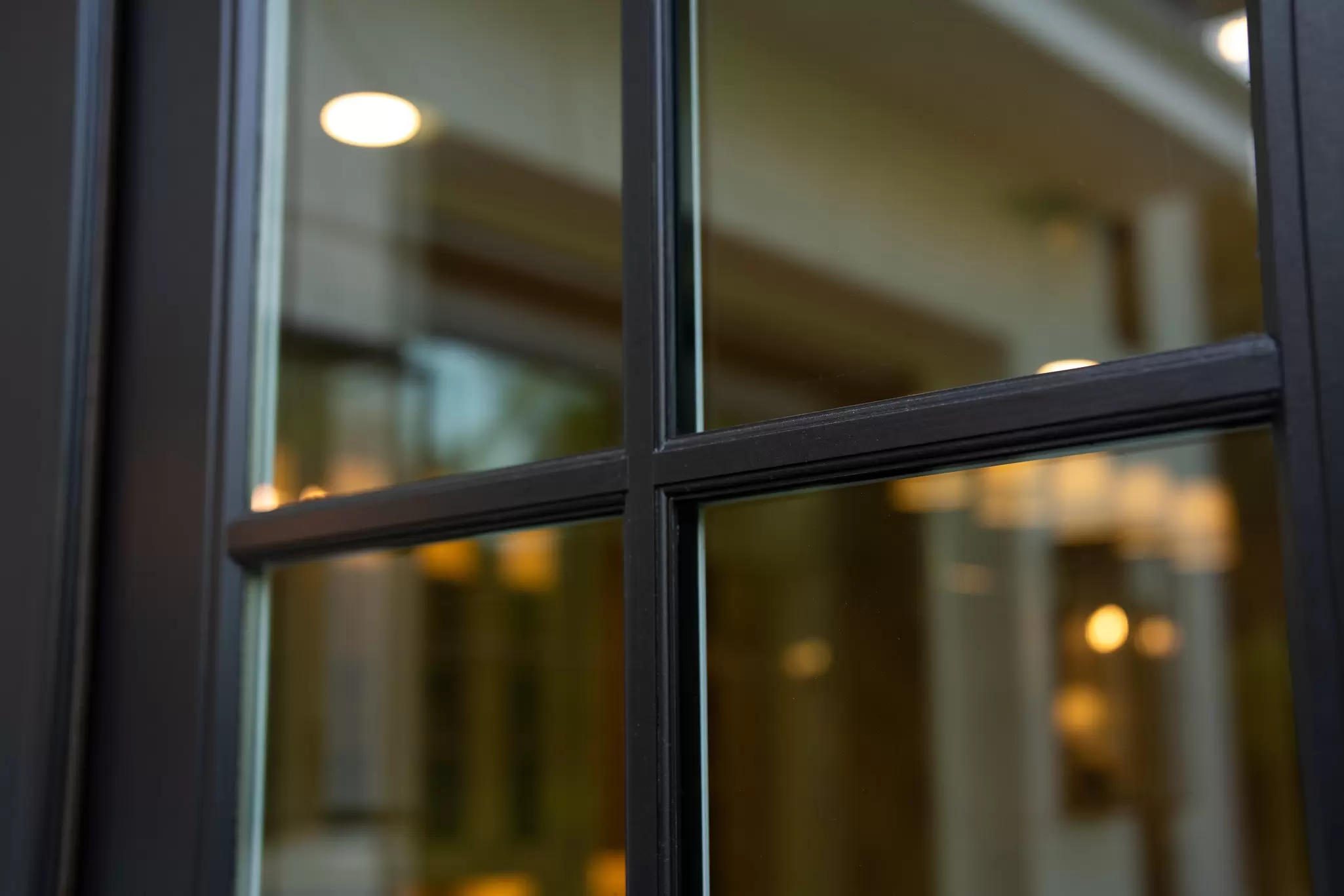
A small crack or chip may seem minor, but damaged window glass shouldn’t be ignored before hurricane season. Inspect each pane for cracks, chips, cloudiness, or condensation between the panes, which can indicate a failed insulating glass seal. While a failed seal isn’t the same as impact damage, cracked or aging glass may warrant professional evaluation.
Test locks and moving components
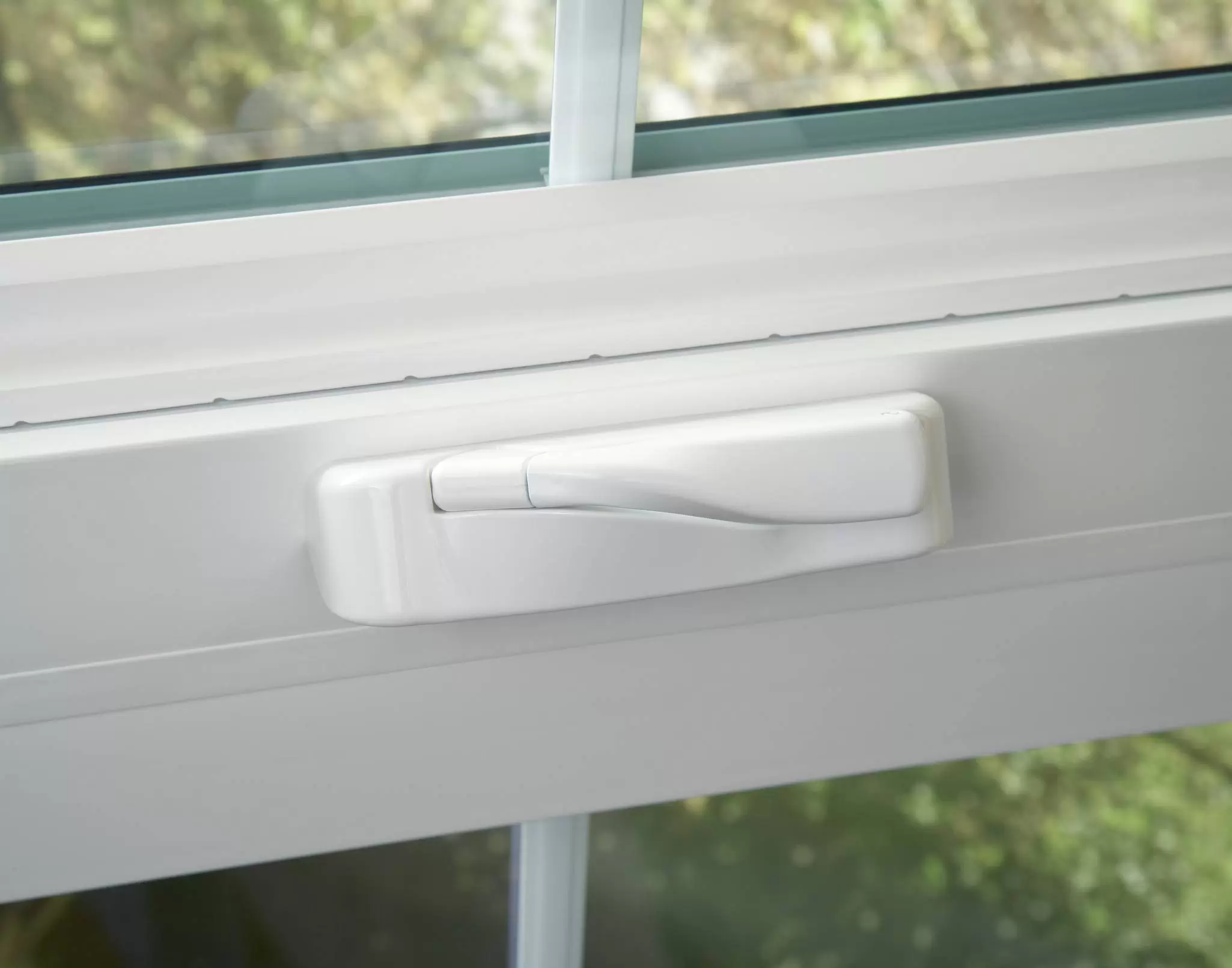
Make sure each lock engages properly and that the hardware isn’t loose, damaged, or heavily corroded. Sliding windows should move smoothly along their tracks, while hung windows should remain in position when opened. Screens can be checked at the same time, but remember that they aren’t designed to protect against hurricane-force winds or debris.
Examine seals, frames, and surrounding trim
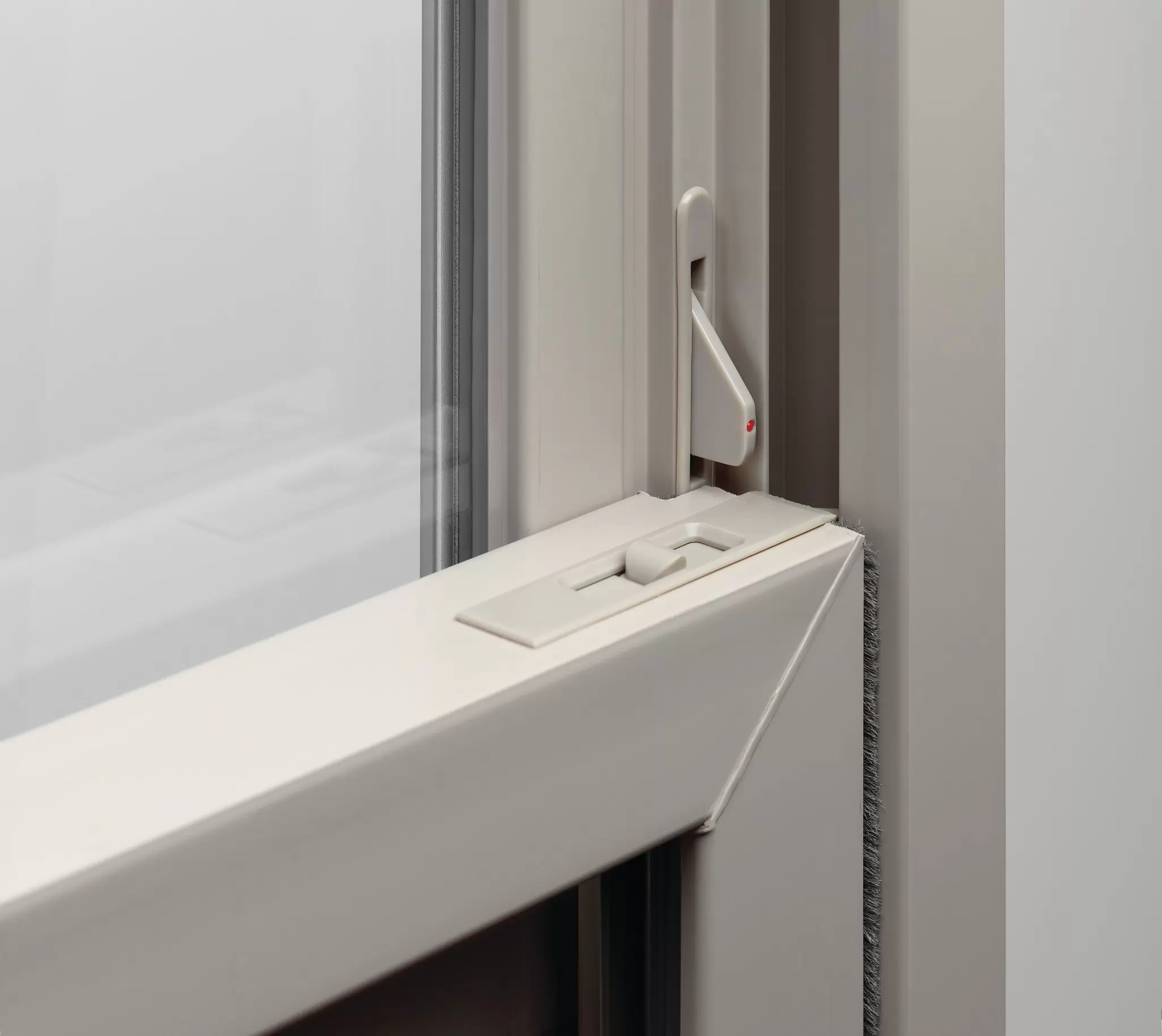
Wind-driven rain can find weaknesses around the entire window opening, so look for damaged weatherstripping, deteriorated caulk, soft or rotting trim, gaps, and signs of moisture. Minor maintenance may address some problems, but significant deterioration or windows that no longer close securely should be professionally evaluated.
Know when aging windows need professional attention
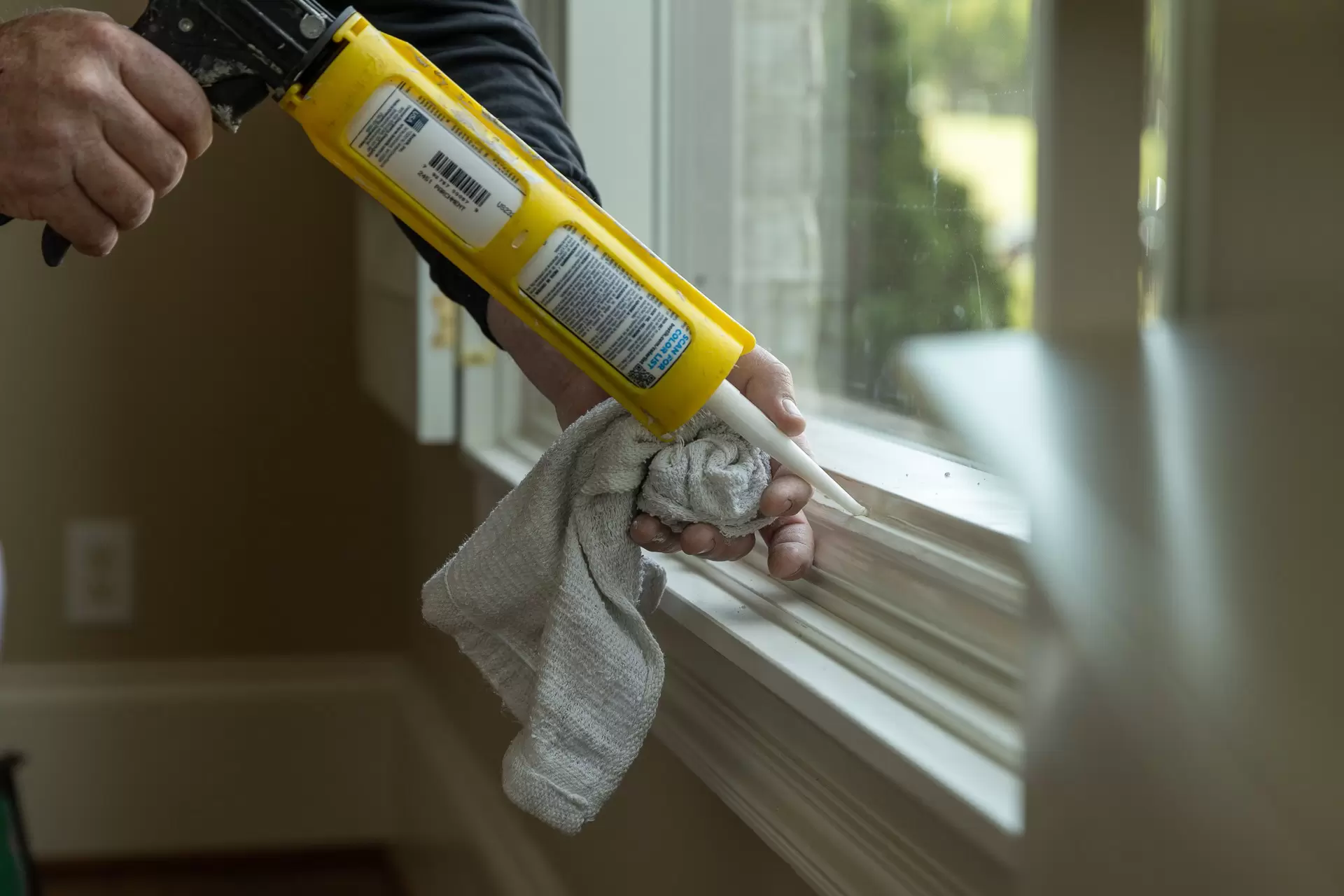
Not every issue uncovered during an inspection means a window needs to be replaced. Worn caulk, minor weatherstripping problems, or loose hardware may be relatively straightforward to address. However, multiple signs of deterioration can point to a window that deserves a closer look.
Frames that are cracked, warped, soft, or visibly deteriorated may no longer provide the same secure fit they once did. Windows that are difficult to close or that won’t remain securely locked can also be a concern when severe weather is approaching. Repeated moisture around the opening, damaged glass, or persistent condensation between panes may indicate additional problems.
Age is another factor to consider. Even when an older window appears intact, years of exposure to Gulf Coast heat, humidity, heavy rain, and storms can take a toll on its components. A professional evaluation can help determine whether maintenance or repair is appropriate or whether replacement should be considered before the next storm season.
Understand the difference between replacement and impact windows

Newer replacement windows can offer significant improvements over aging or damaged windows. Updated frames, functioning locks, properly installed glass, and tighter seals can improve everyday performance, energy efficiency, and comfort. However, a standard replacement window shouldn’t automatically be considered an impact-resistant window.
Impact-resistant products are specifically designed and tested for demanding conditions. They typically combine laminated glass with reinforced frames and other components that work together as a system. This distinction is important when homeowners are hurricane-proofing windows or deciding how to protect openings from windborne debris.
Replacing a deteriorated window may solve problems related to age, operation, or efficiency, but additional storm protection could still be needed if the new window isn’t impact-rated. Understanding what a particular product is designed to do can make it easier to choose an appropriate protection strategy.
Compare window protection options
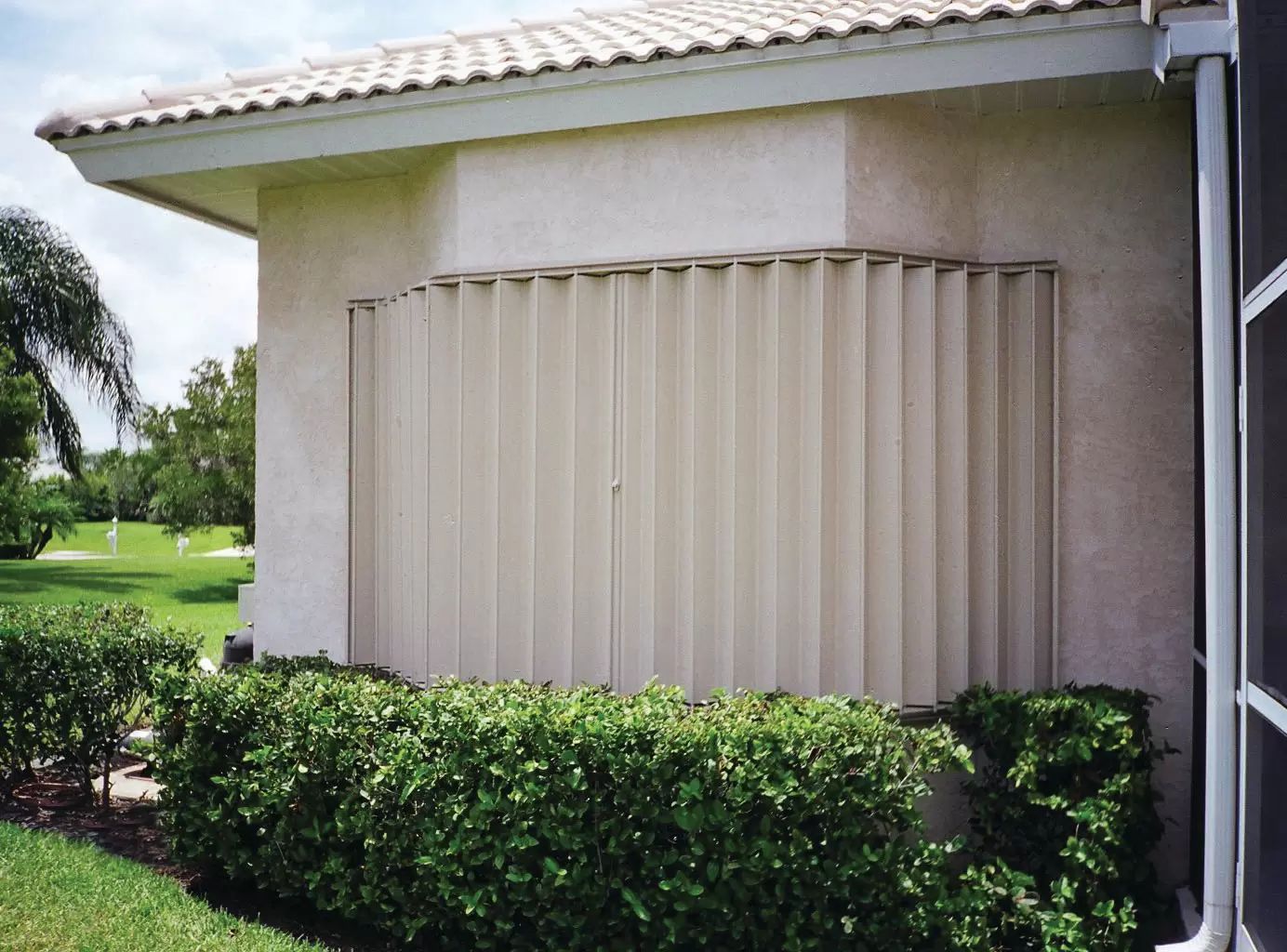
Once existing windows have been inspected, the next step is deciding whether additional protection is needed. Options range from permanent impact-resistant windows and storm shutters to temporary plywood panels.
- Impact-resistant windows: These windows provide year-round protection without needing to be installed before a storm. Laminated glass is designed to stay together after an impact, while reinforced frames and other components strengthen the overall system. They can also offer added security and energy-efficient features.
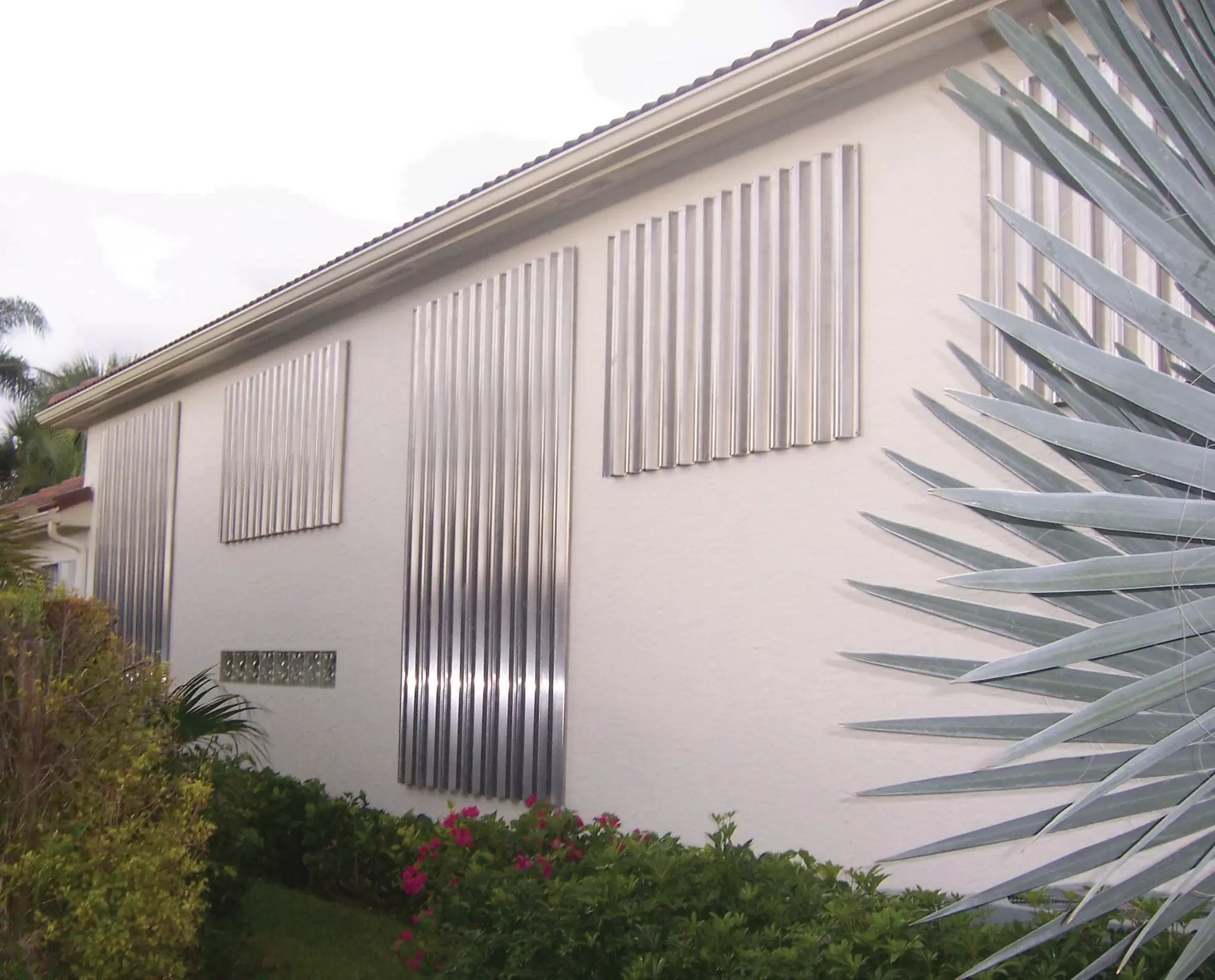
- Storm shutters: A storm shutter increases your home’s safety by creating a physical barrier over windows and other openings during severe weather. Depending on the style, they may remain attached year-round or require installation before a storm. Hardware should be checked periodically so the system is ready when needed.
- Plywood: Properly prepared and secured plywood can provide temporary protection but requires planning, storage, and time to install. Waiting until a storm approaches can make materials harder to find. Tape isn’t an effective substitute because it doesn’t protect standard glass from windborne debris.
The right approach will depend on your home, budget, and level of protection you need. Whichever option you choose, planning ahead with an expert exterior remodeler makes it easier to have your home protected before severe weather arrives.
Protect all glass openings around the home
Windows aren’t the only vulnerable glass surfaces on a home’s exterior. Sliding patio doors, exterior French doors with glass, and other large glazed openings should be included in hurricane preparation as well. Because these openings can contain significantly more glass than a standard window, they shouldn’t be overlooked when evaluating the home.
Inspect the glass, locks, frames, tracks, and surrounding areas for damage or deterioration. Doors should close and lock securely, and sliding doors should move properly along their tracks. Cracked glass, loose hardware, damaged frames, or doors that no longer close correctly may need professional attention before hurricane season.
Consider how each glass opening will be protected if severe weather approaches. Depending on the product and location, options may include impact-rated doors, shutters, storm panels, or another protective system. Any temporary protection should be measured and prepared ahead of time rather than left until a storm is already in the forecast.
It’s also helpful to look beyond the most obvious openings. Smaller windows in bathrooms, garages, utility spaces, and other less frequently used areas can be easy to overlook during hurricane preparation. Walk around the entire exterior and make note of each glass opening and the protection it will need.
Prepare storm protection before it’s needed
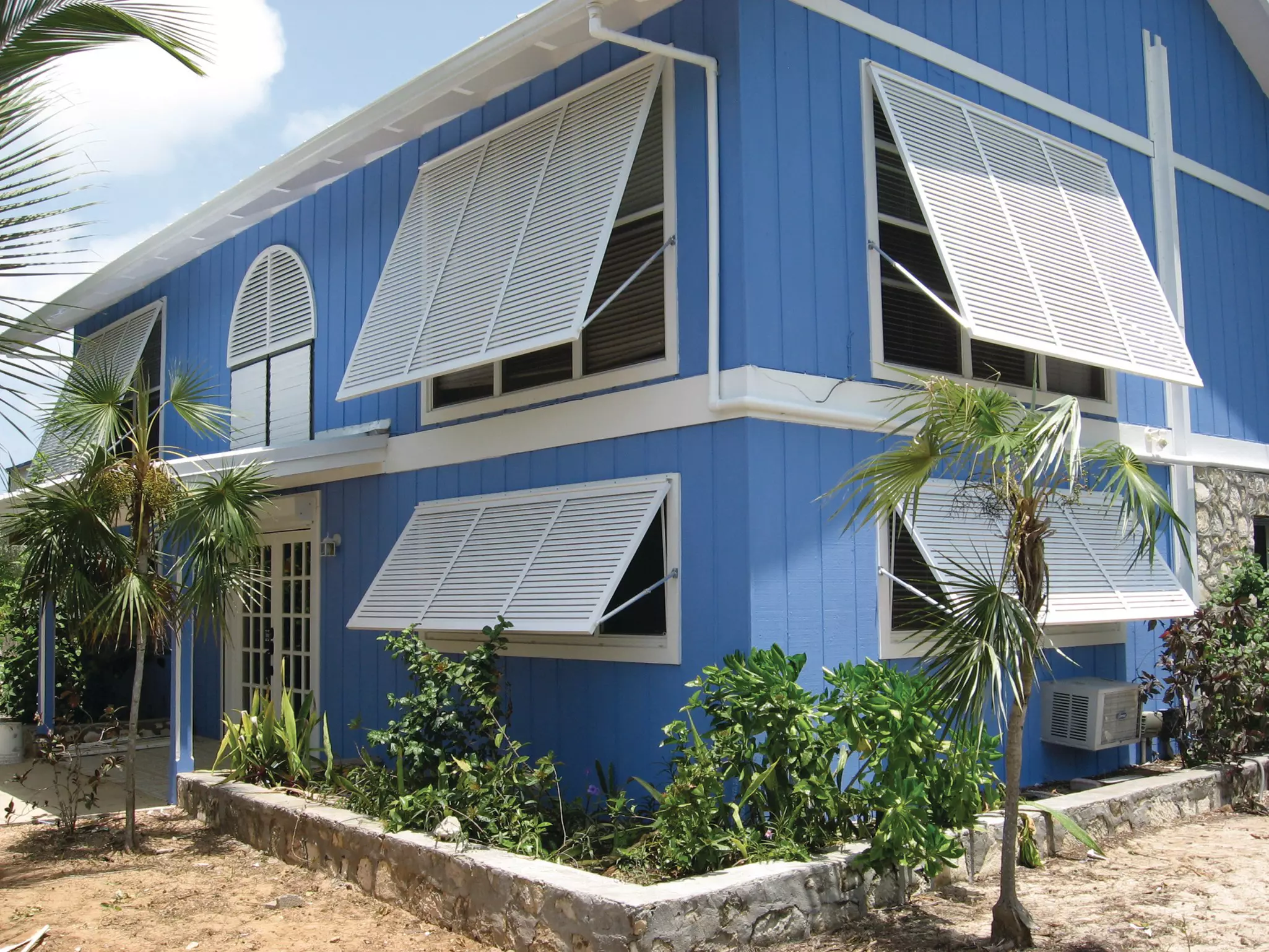
Having storm protection available is only helpful when it’s ready to use. Before hurricane season, check shutters, panels, fasteners, and other equipment to make sure nothing is damaged, missing, or difficult to operate. Removable panels should be clearly identified so it’s easy to determine which opening each one fits.
Temporary systems also need to be accessible. Plywood or removable storm panels stored behind other items in a garage or shed can take valuable time to retrieve when a storm is approaching. Keep the necessary hardware with the panels and make sure the appropriate tools are available for installation.
Homeowners with permanent shutters should operate them periodically rather than waiting until severe weather is in the forecast. Finding a corroded fastener, damaged track, or stuck shutter early provides more time to address the problem.
Preparation should also include knowing when to stop working outside. Storm protection is best installed well before conditions become dangerous and according to local emergency guidance. Having materials and a plan ready ahead of time can reduce the amount of last-minute work required.
How do you make a pre-hurricane window inspection checklist?

A simple checklist can make preparing windows for a hurricane more manageable. Planning ahead also gives homeowners time to compare permanent and temporary protection options instead of making decisions under pressure:
- Test windows to make sure they close and lock securely.
- Inspect glass for cracks or other visible damage.
- Check frames, seals, caulk, and surrounding trim.
- Review existing storm shutters and their hardware.
- Identify which openings still need storm protection.
- Know where removable panels and installation hardware are stored.
- Schedule repairs or replacement well before a storm enters the forecast.
It can also help to complete this checklist at the beginning of hurricane season rather than waiting for a named storm. This provides more time to schedule professional repairs, replace missing hardware, or explore longer-term window protection before severe weather approaches.
Let Window World of Southern Mississippi help prepare your windows before hurricane season
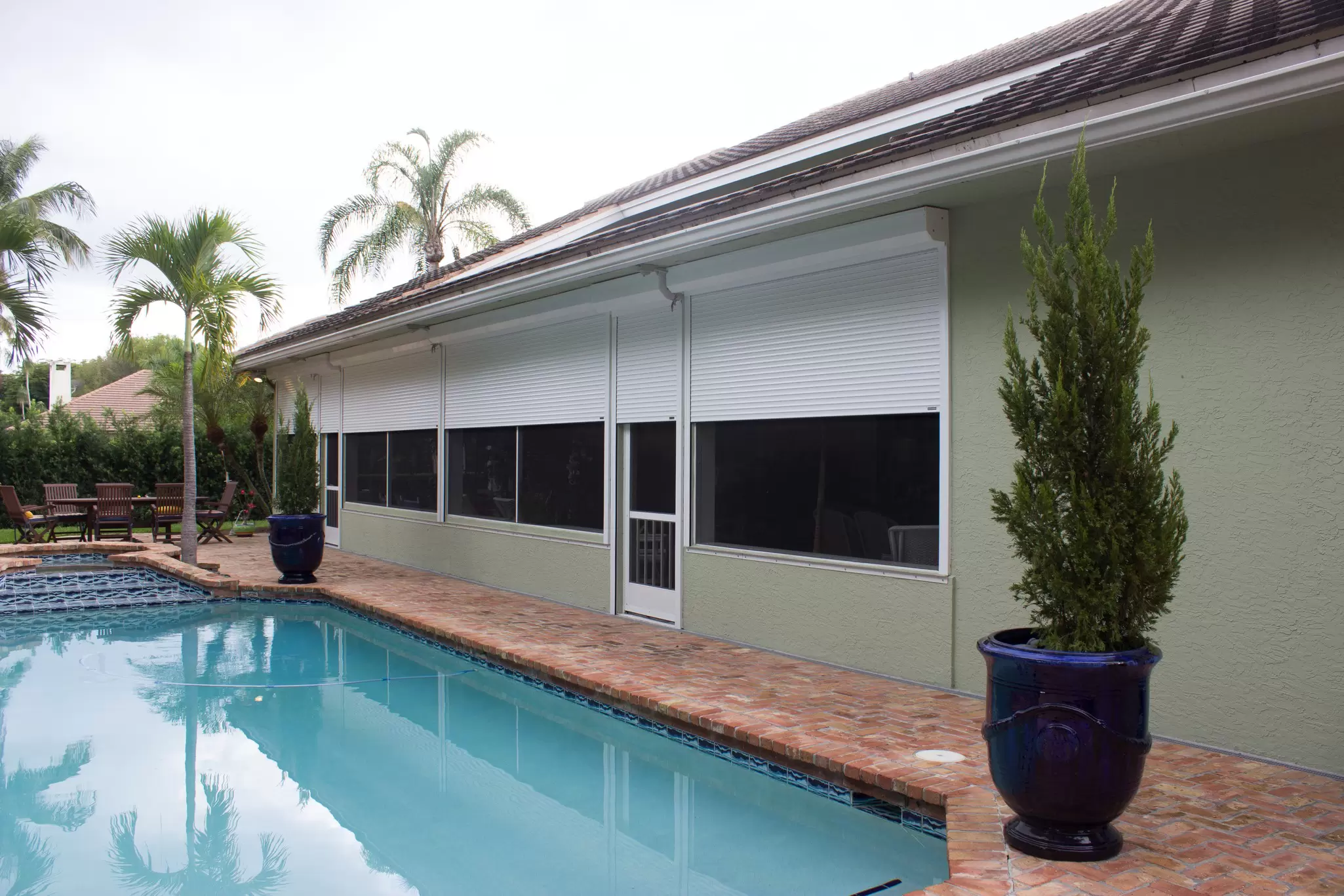
Hurricane preparation starts well before a storm appears in the forecast. Checking windows for damaged glass, worn seals, deteriorating frames, and locks that no longer work properly can help identify areas that need attention. Patio doors and other large glass openings should be part of the inspection as well.
Understanding the type of windows already installed is equally important. Standard replacement windows and impact-resistant windows aren’t interchangeable, and different homes may benefit from different combinations of impact-rated products, shutters, or temporary protection.
Homeowners can also consider how they plan to protect vulnerable openings during severe weather. Impact-resistant windows provide a permanent option, while storm shutters and properly installed plywood can offer additional protection.
Window World of Southern Mississippi offers replacement windows, impact windows, and storm protection products for homeowners in Gulfport, Hattiesburg, Biloxi, and surrounding communities along the Gulf Coast. Request a free quote from our experts who can help determine which hurricane protection options make sense for your home.